Text-to-Image
Architecture
通用
Low-Brightness Lighting for Historic Sites: Not Turning Old Houses into Sets
Prompt
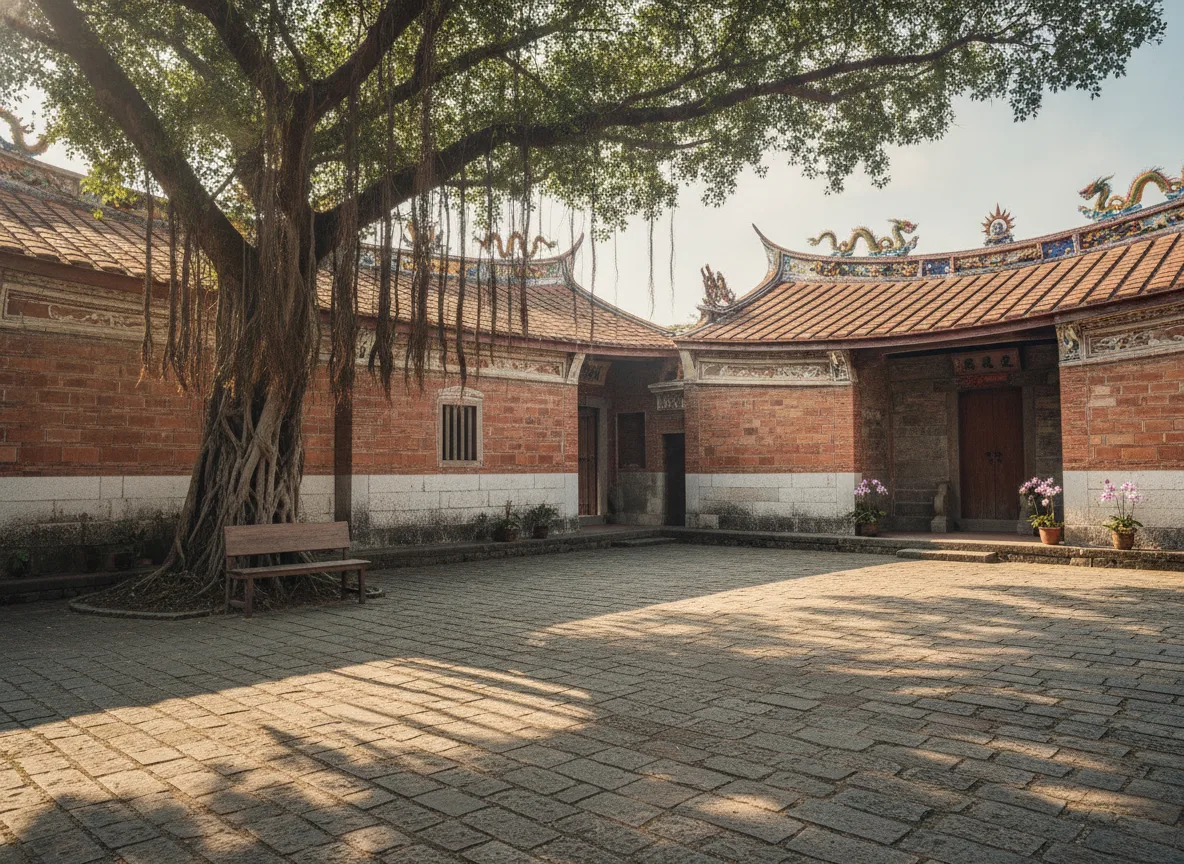
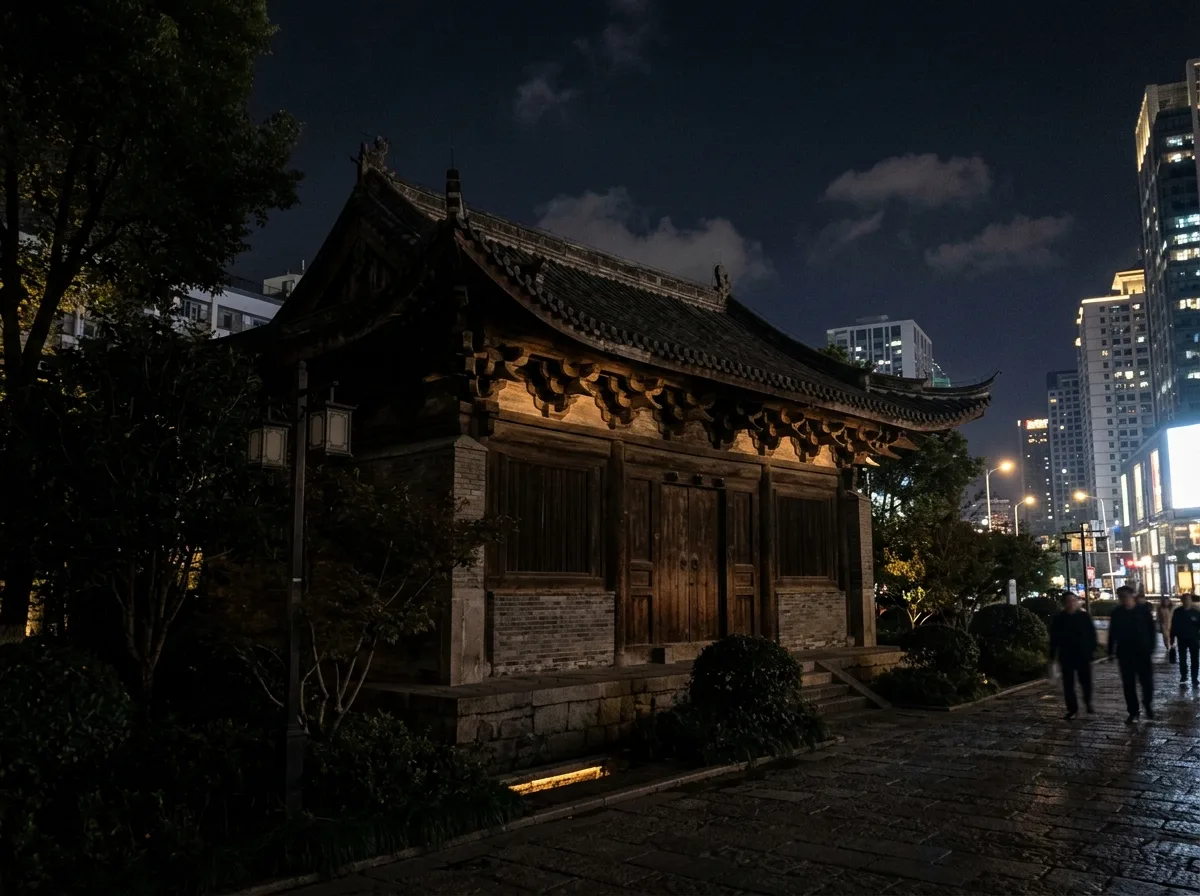
Night lighting for a historic building, adopting an extremely restrained approach: the overall brightness is only slightly higher than the surrounding environment, with a small number of low-power luminaires, all hidden in vegetation and ground grooves. Light falls only on a few key structures—the wooden dougong brackets, the curve of the eaves, the entrance doors—while the remaining walls are maintained at the lowest brightness necessary to discern their outlines. The old building appears quiet and distant at night, rather than being brightly illuminated as an exhibit. The light color temperature is warm, complementing the wood and brick of traditional architecture. Surrounding modern buildings maintain higher brightness, contrasting with the darker historic building. Avoid: uniformly illuminating the entire building, using colored lights and projections, adding contour light strips, allowing brightness to exceed the surrounding environment.
Translated from Chinese by AI.
Show the original prompt
一棟歷史建築的夜間照明,採取極為克制的做法:整體亮度只比周邊環境略高,燈具數量少、功率低,全部隱藏在植栽與地面溝槽中。光只落在幾個關鍵的構造上——木構的斗栱、屋簷的曲線、入口的門扇,其餘牆面維持在能辨認輪廓的最低亮度。老建築在夜裡顯得安靜、有距離感,而不是被打亮成一件展示品。光的色溫偏暖,與傳統建築的木與磚相合。周邊的現代建築維持較高亮度,反襯出古蹟的暗。避免:把整棟建築均勻打亮、使用彩色光與投影、加入輪廓燈條、讓亮度超過周邊環境。