Text-to-Image
Interior Design
通用
Accumulated Dust: Corners Don't Need to Be Spotless
Prompt
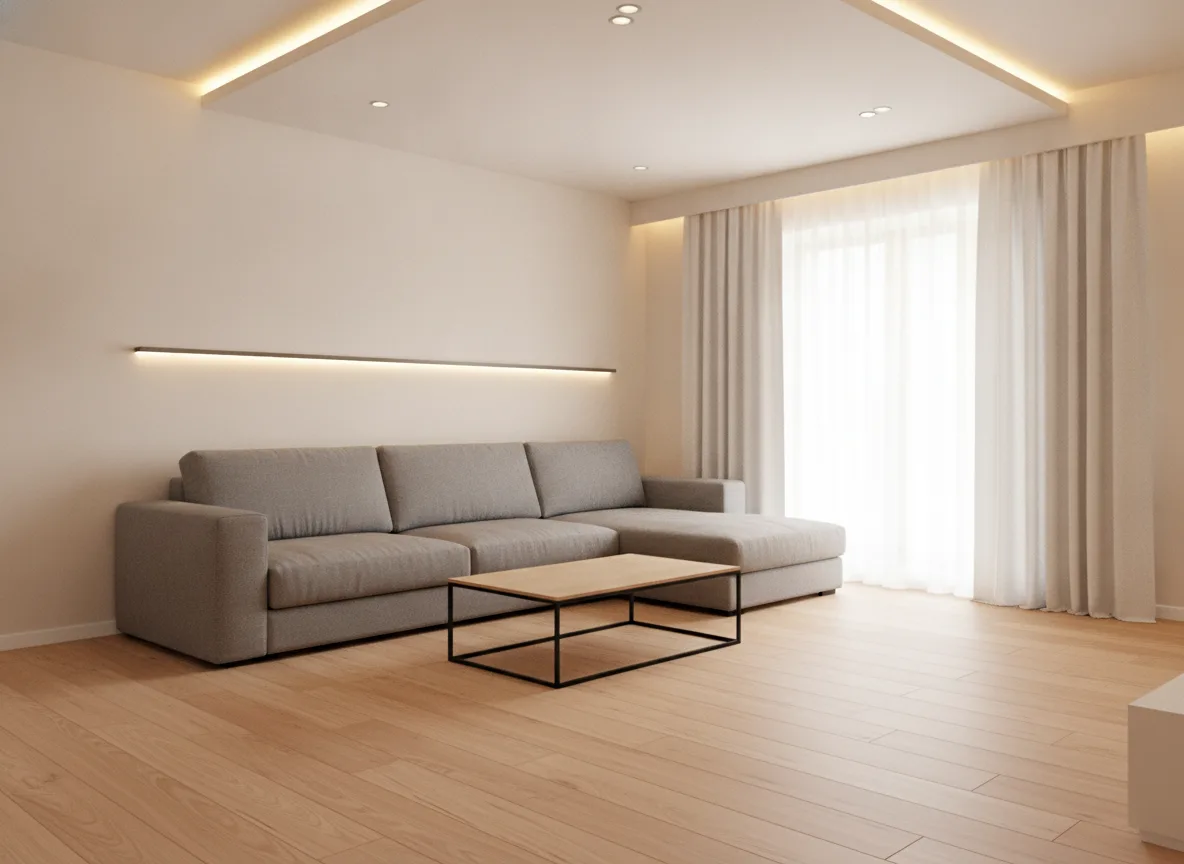
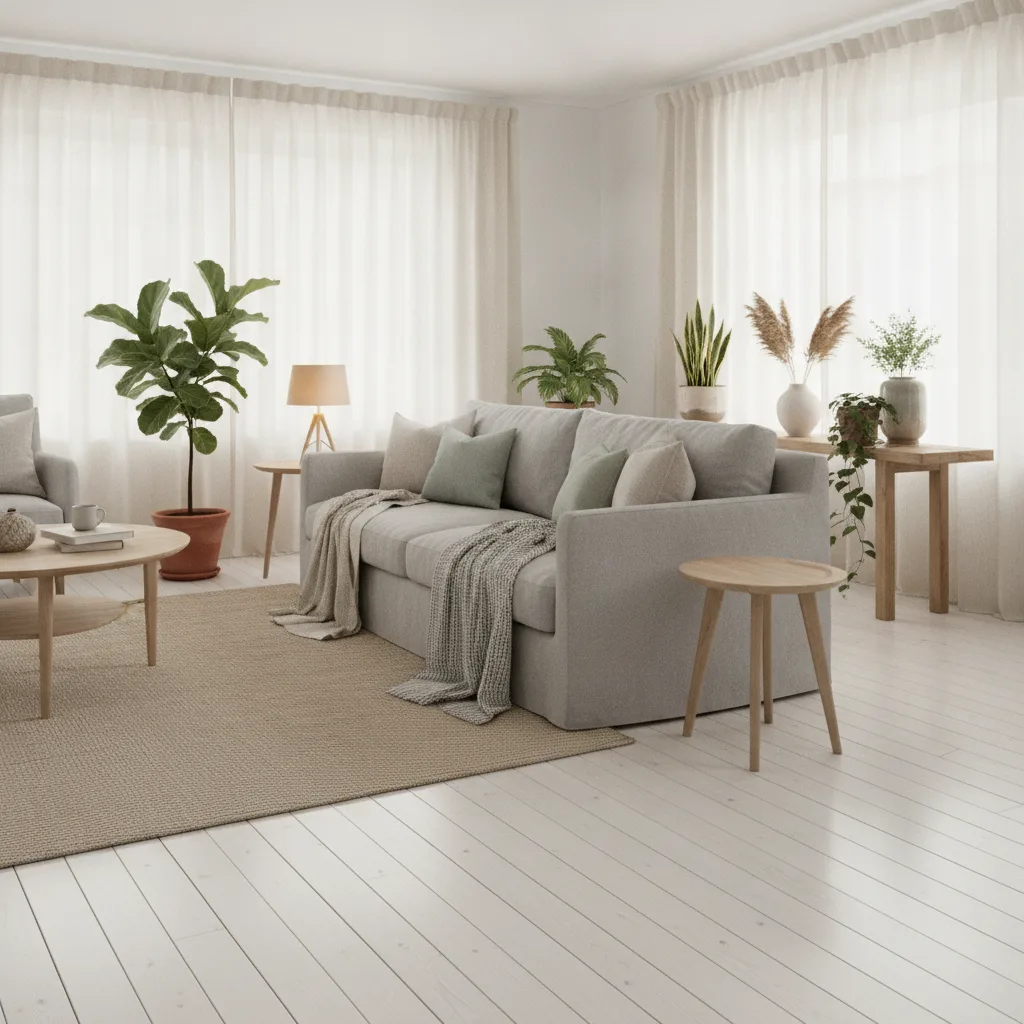
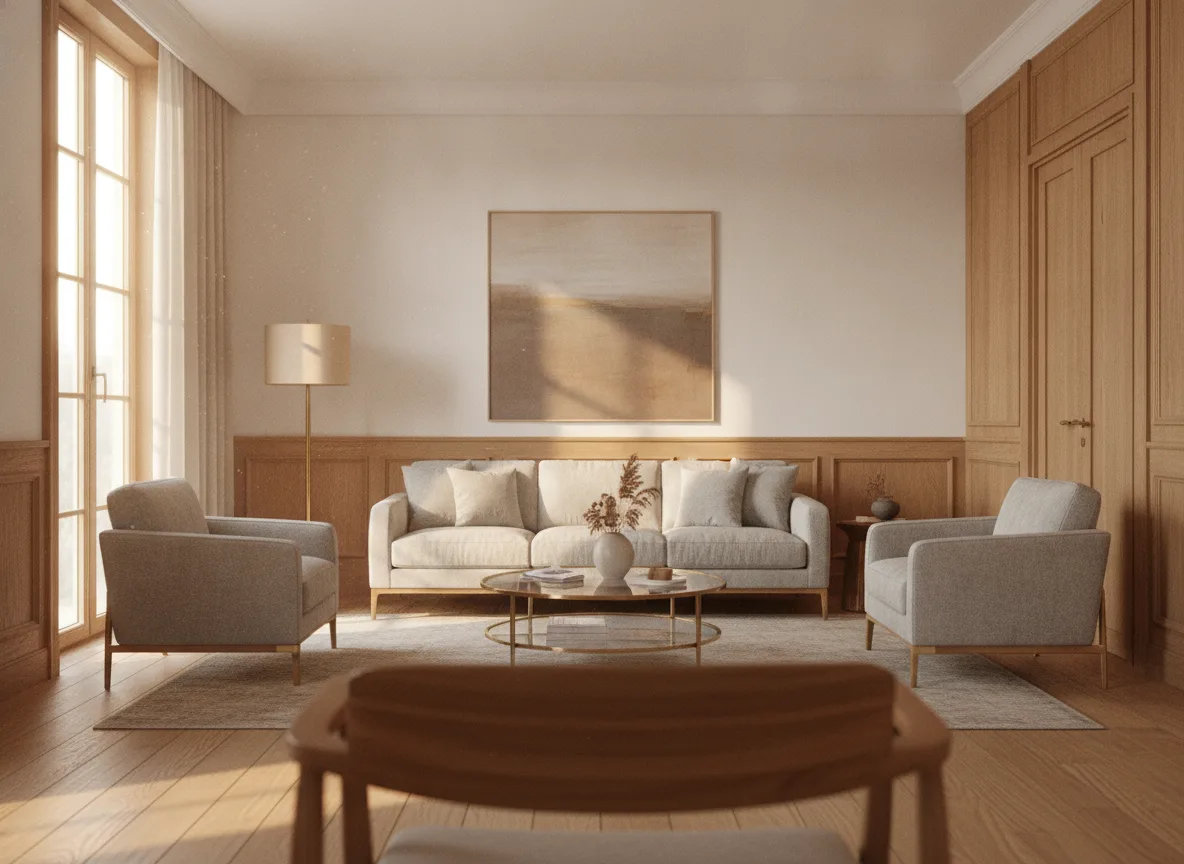
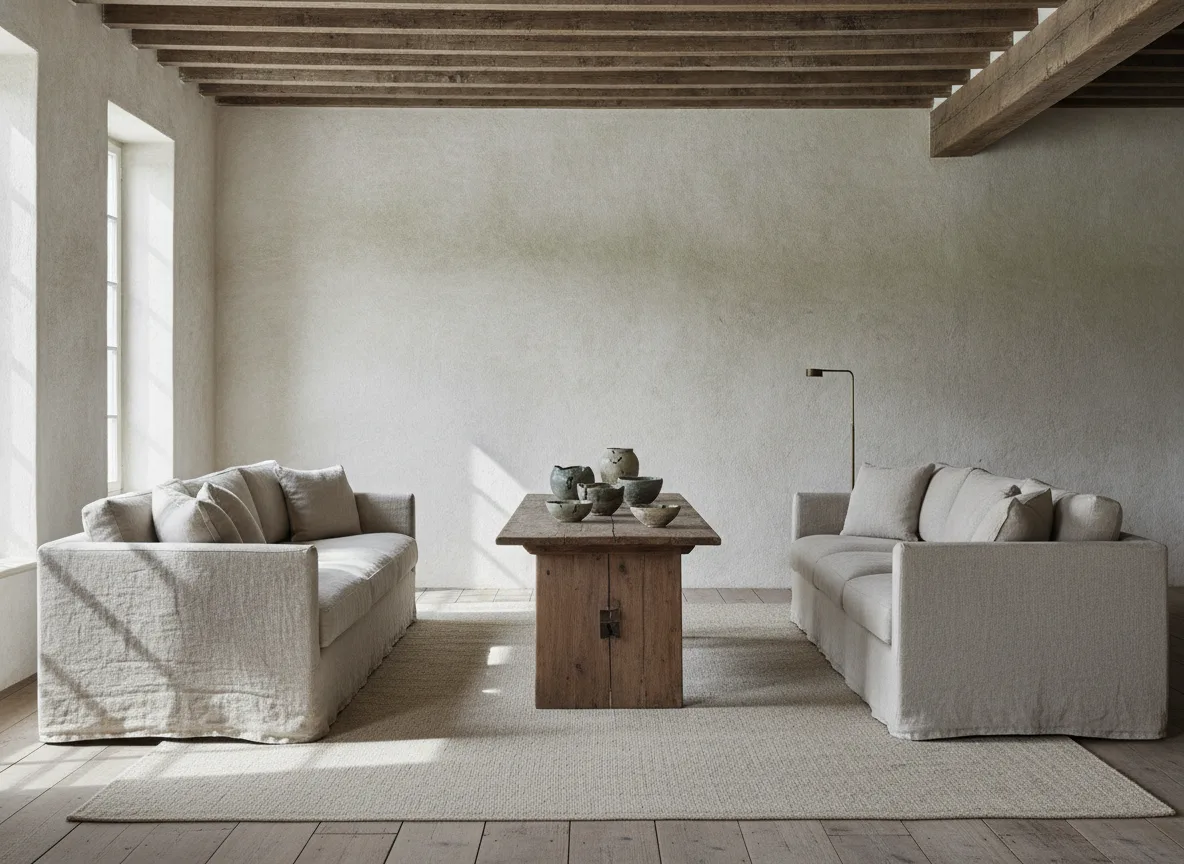
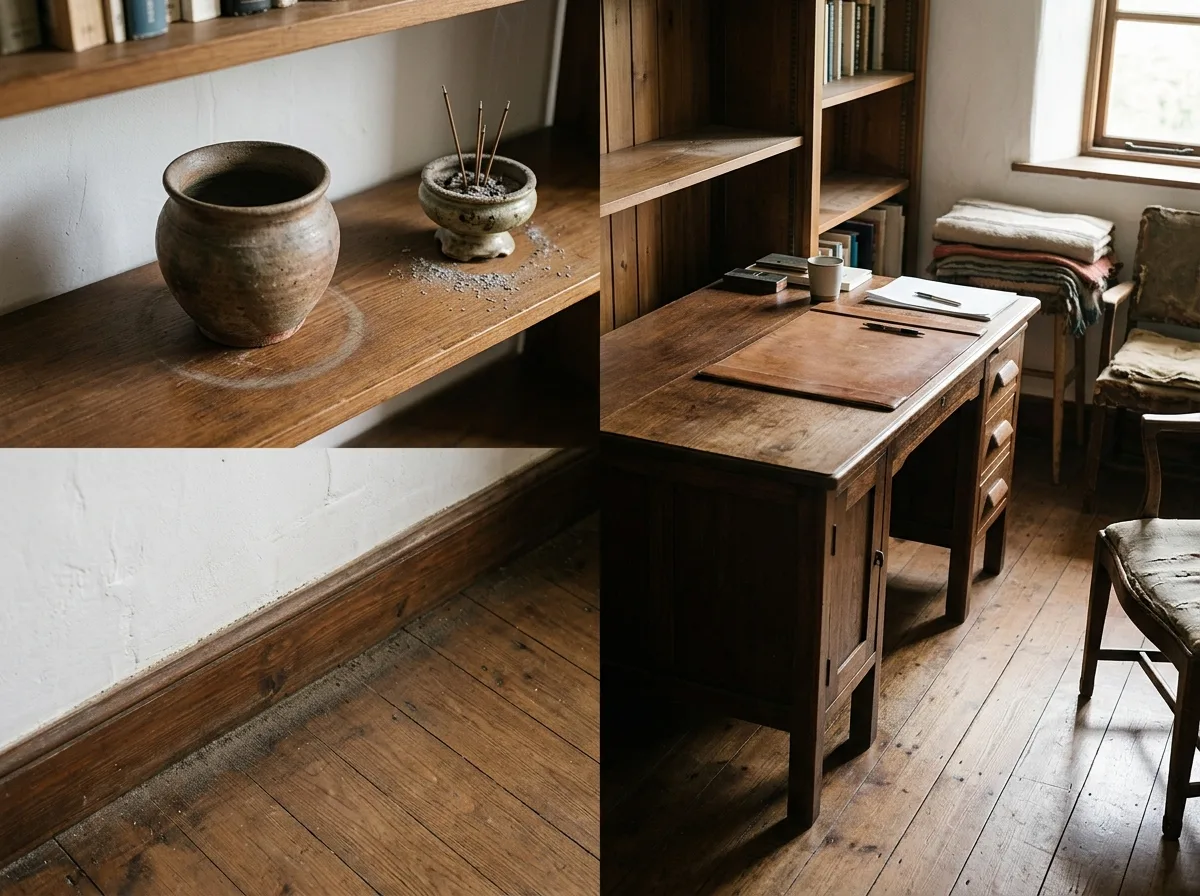
A clean but not sterile space detail. The main used surfaces—the center of the floor, tabletops, seating areas—are clean, while less frequently touched areas retain the accumulation of time: a thin, slightly darker line of dust at the junction of wall and floor; a shallow ring of marks around the base of a long-placed ceramic object where it meets the surface; a thin layer of dust in the corners of wooden shelves; extremely fine incense ash on the surface around an incense burner. These are not dirt, but evidence of stillness and time—a space thoroughly wiped every day lacks a sense of time. Light shines obliquely at a low angle, making these subtle accumulations visible. Avoid: depicting the space as spotless, making dust so obvious it looks abandoned, accumulating dust on main used surfaces, using bright, uniform lighting.
Translated from Chinese by AI.
Show the original prompt
一個乾淨但不無菌的空間細部。主要的使用面——地板的中央、桌面、坐的地方——是乾淨的,而不常觸碰的地方保留著時間的沉積:牆與地的交界處有一道細細的、顏色略深的積塵線;一件擺了很久的陶器底部與檯面接觸的一圈,周圍有淺淺的痕跡;木質層板的角落有薄薄一層灰;香爐周圍的檯面上有極細的香灰。這些不是髒,而是靜止與時間的證據——一個每天被徹底擦拭的空間反而沒有時間感。光以低角度斜射,讓這些細微的沉積可見。避免:把空間畫得一塵不染、讓灰塵明顯到像是廢棄、在主要使用面也積灰、使用明亮的均勻照明。