Text-to-Image
Interior Design
通用
Shadow and Light: Darkness Comes First, Then Something to See
Prompt
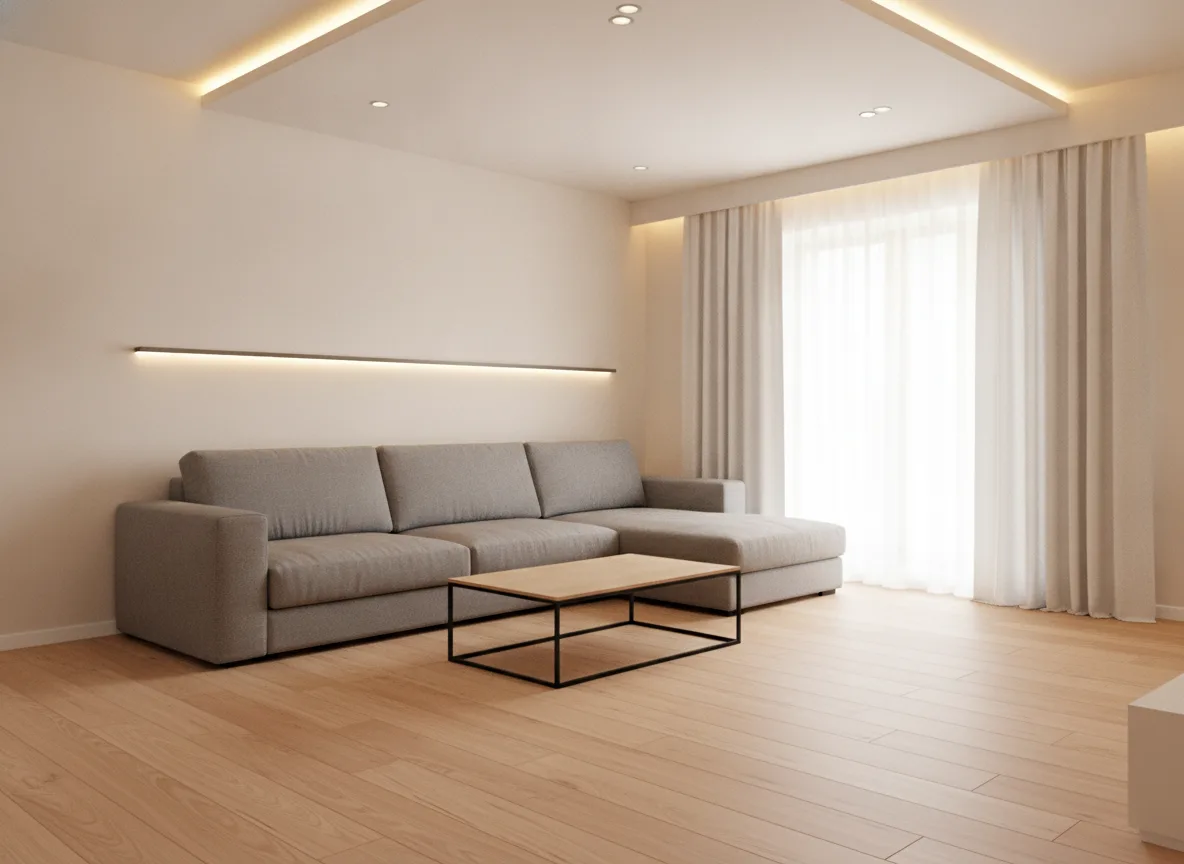
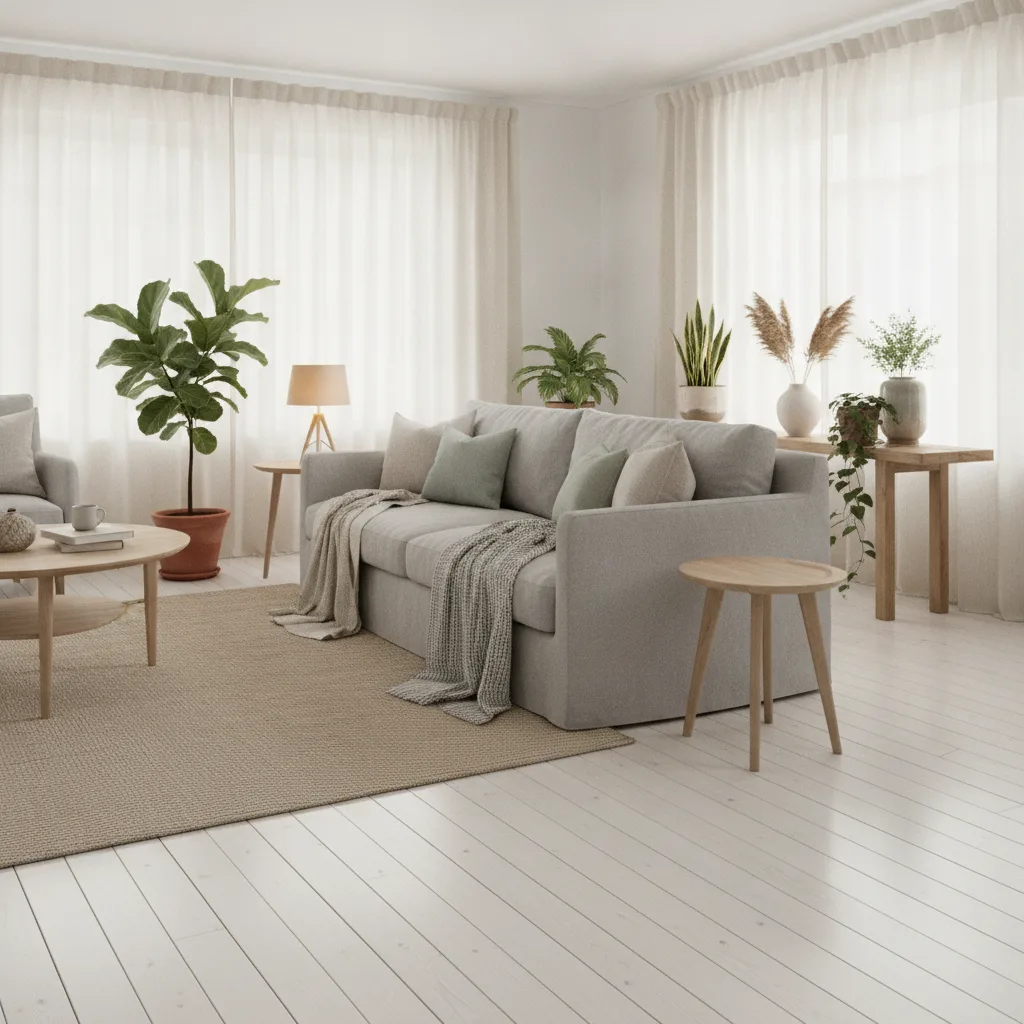
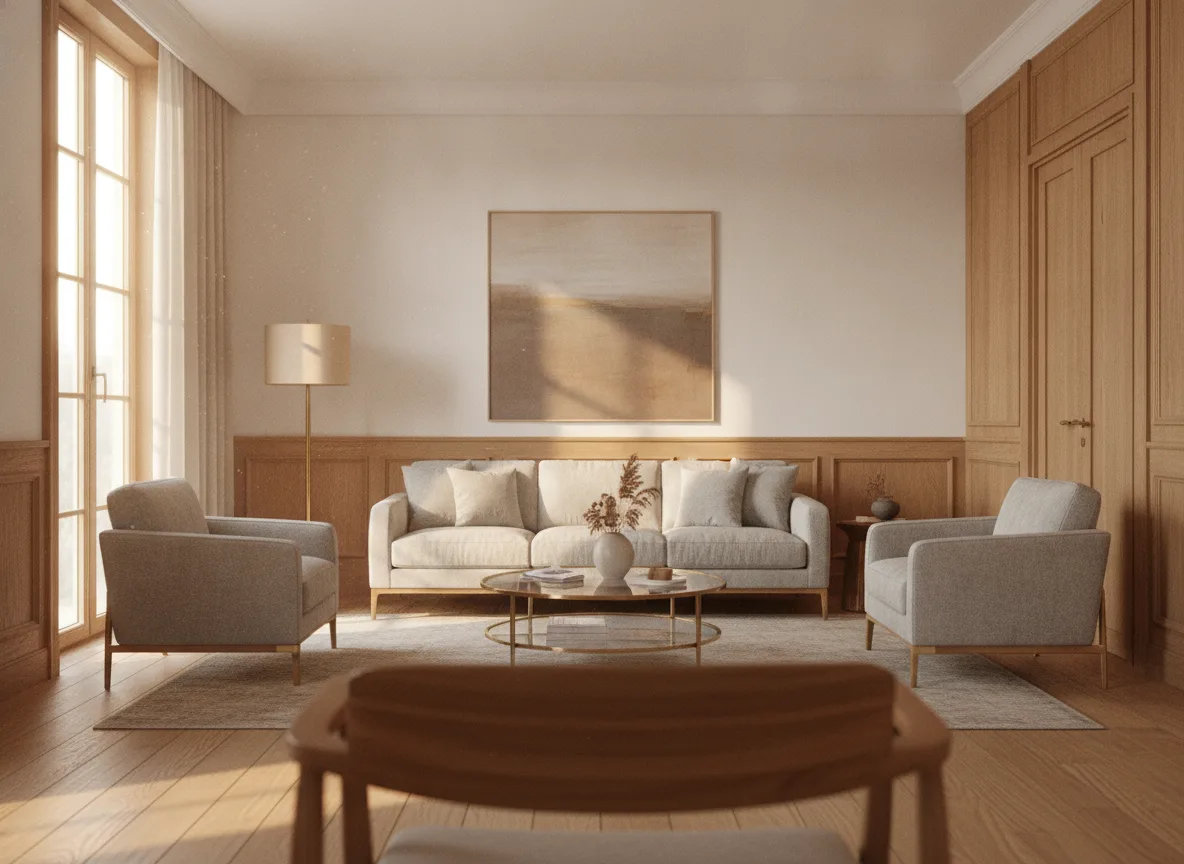
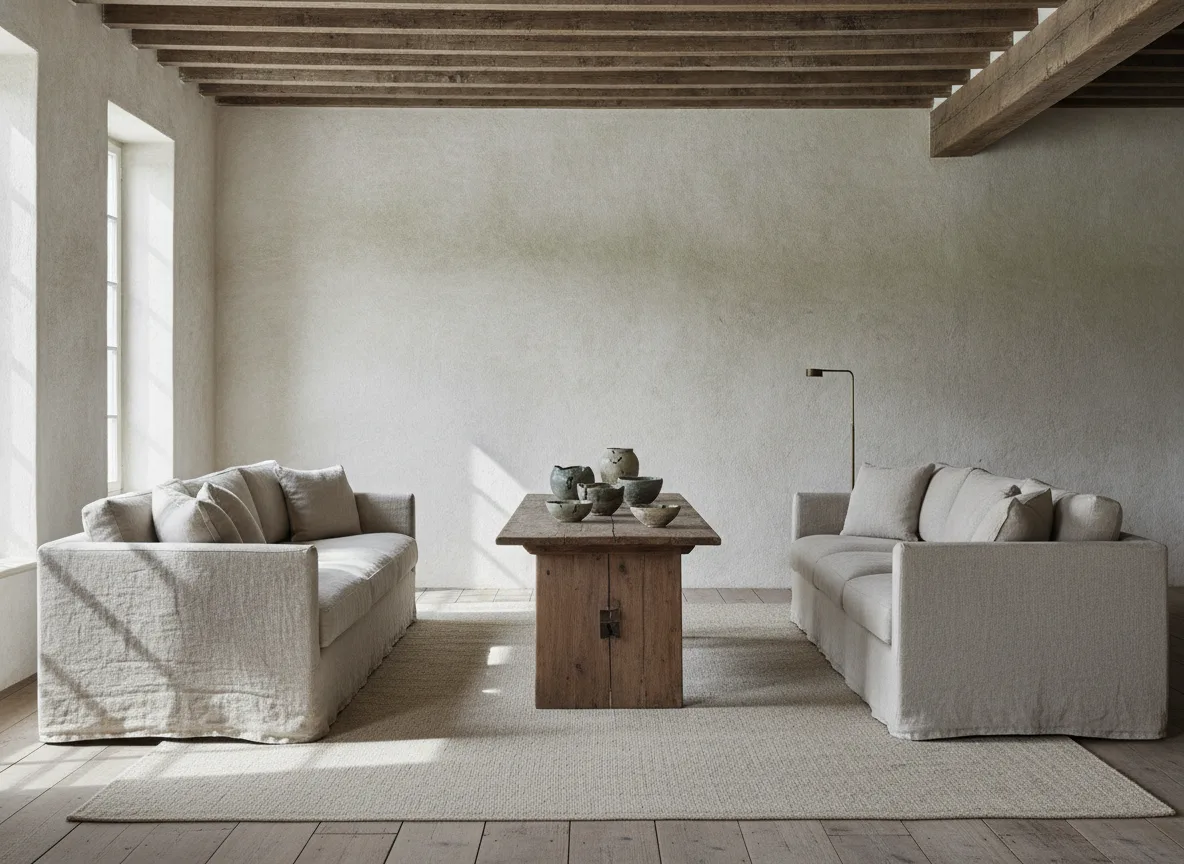
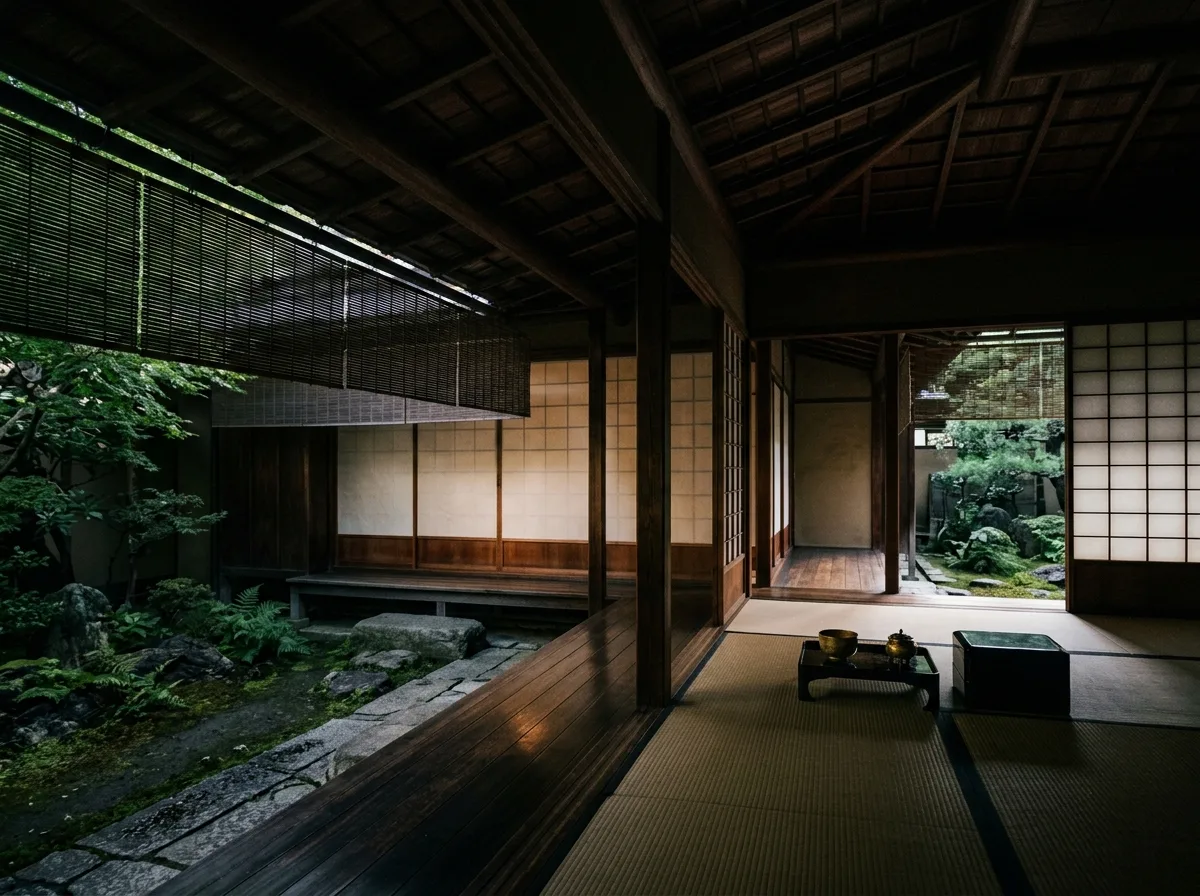
A space where deep eaves create interior dimness. The eaves project far outwards, and with the addition of outer blinds, direct sunlight is completely blocked. Only indirect light, reflected from the ground and garden, enters the interior, resulting in low brightness and coming from below. Consequently, the interior ceiling is the darkest, becoming brighter closer to the ground, which is the opposite of the light-dark relationship in typical spaces. In this weak reflected light, golden objects do not sparkle but glow with a deep luster; the black of lacquerware is not pure black but a profound darkness; paper screens appear a soft milky white. These materials were originally developed to be seen in dimness. Avoid: allowing direct sunlight into the interior, illuminating the ceiling, using bright artificial lighting, allowing metals and lacquerware to have dazzling highlights.
Translated from Chinese by AI.
Show the original prompt
一個以深屋簷製造室內昏暗的空間。屋簷向外挑出很遠,加上外側的簾子,把直射的陽光完全擋住;進入室內的只有從地面與庭院反射上來的間接光,亮度很低且來自下方。因此室內的天花是最暗的,越靠近地面越亮,與一般空間的明暗關係相反。在這種微弱的反射光下,金色的器物不是閃亮而是深沉地泛著光;漆器的黑不是純黑而是有深度的暗;紙門呈現柔和的乳白。這些材料本來就是為了在暗中被看見而發展出來的。避免:讓直射陽光進入室內、把天花照亮、使用明亮的人工照明、讓金屬與漆器出現刺眼的高光。