Image Editing
People & Space
通用
Momentum: Shoulders, waist, and legs slightly turned in different directions
Prompt
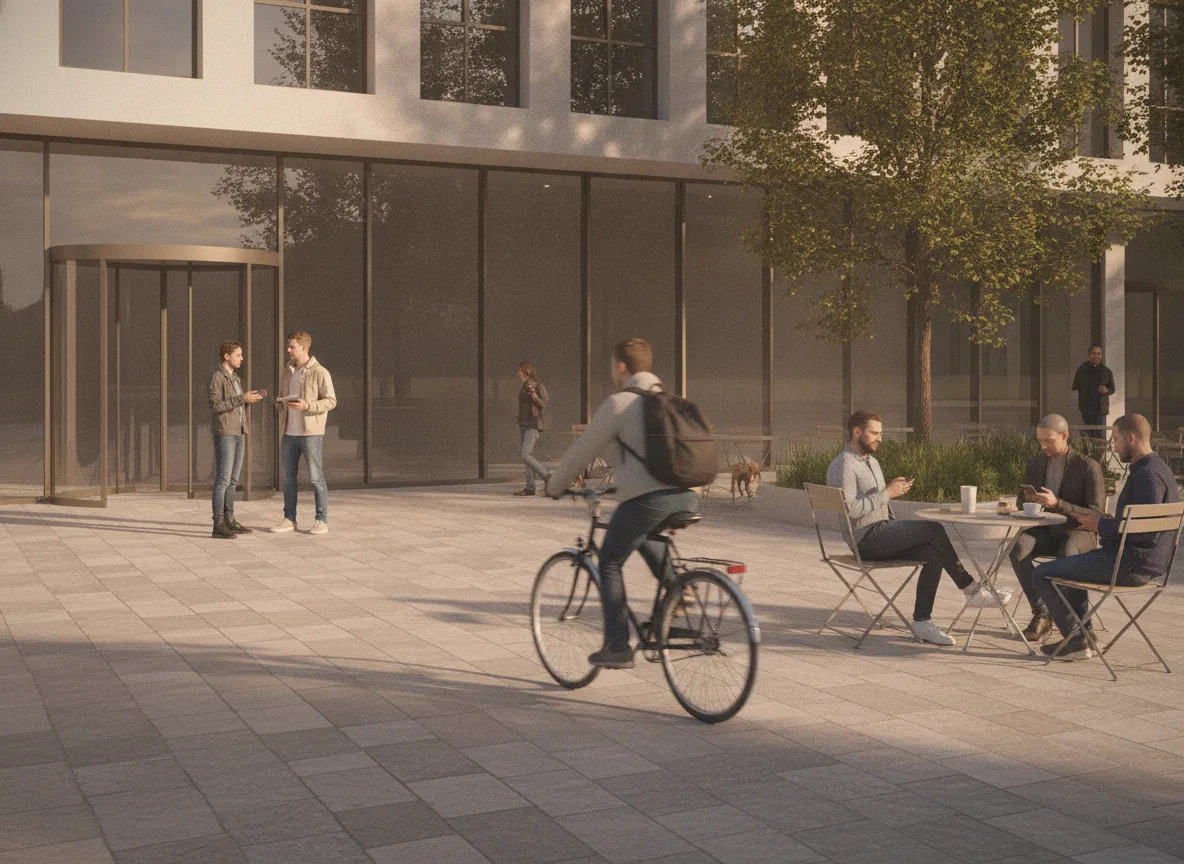
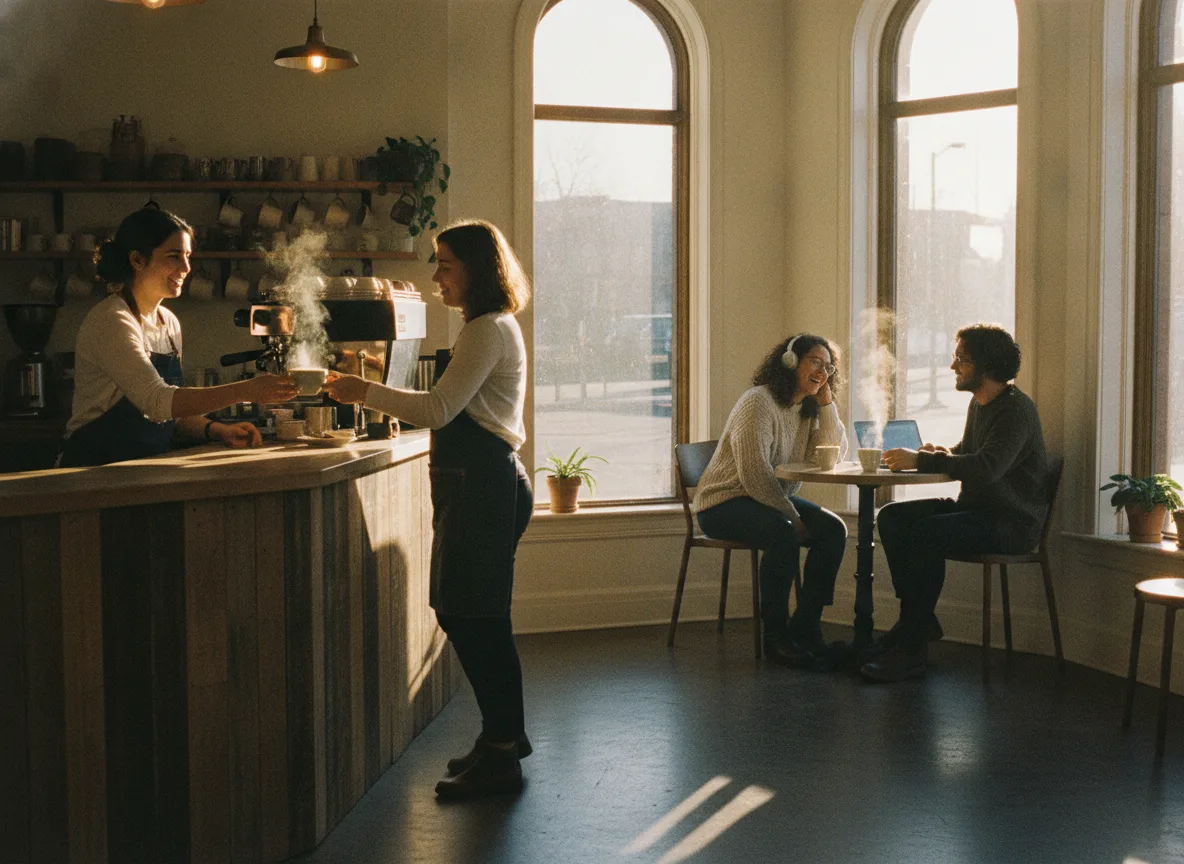
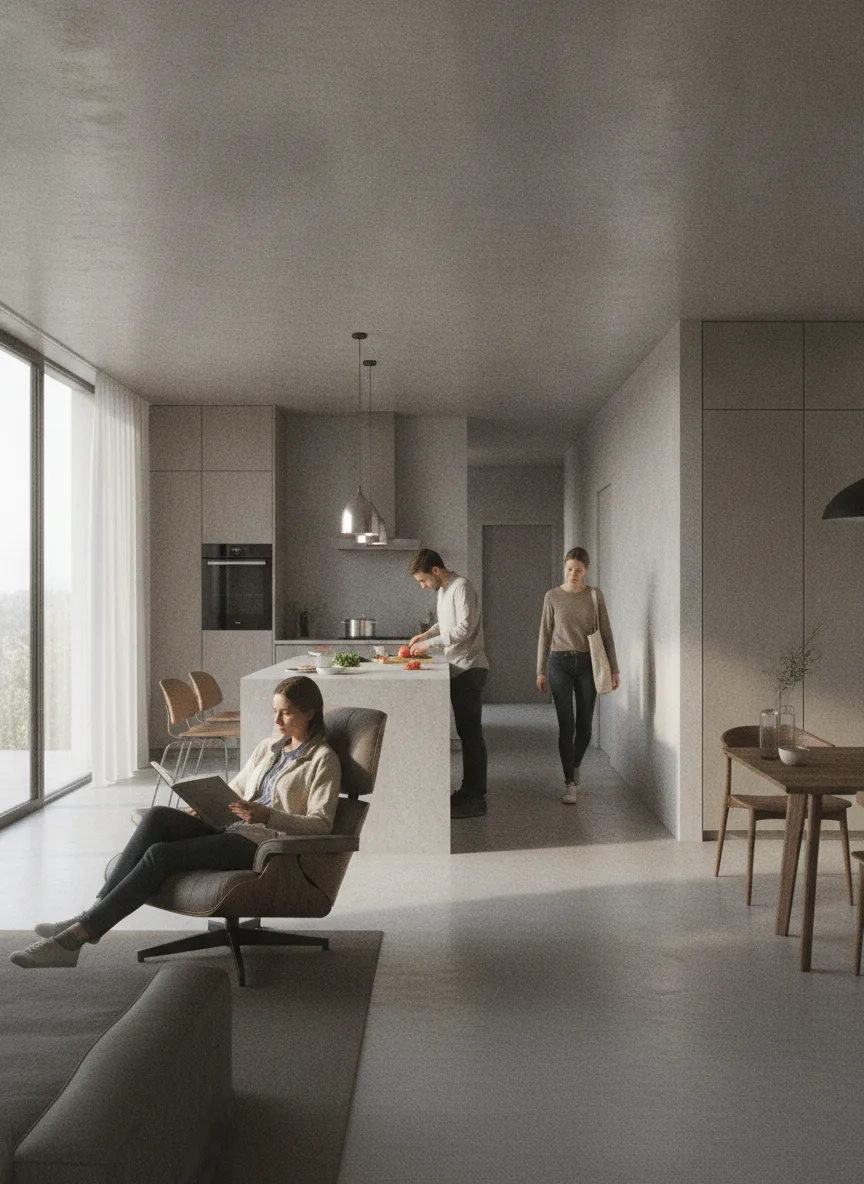
Break apart the doll-like frontal pose.

The shoulder line, waistline, and leg direction should each be slightly different, creating a natural torso twist: for example, the pelvis slightly to the left, the rib cage rotated back to the center, the shoulder line a bit more to the right, and the head turned back again. Each segment differs by only ten to twenty degrees, accumulating into a spiral sense in the body.

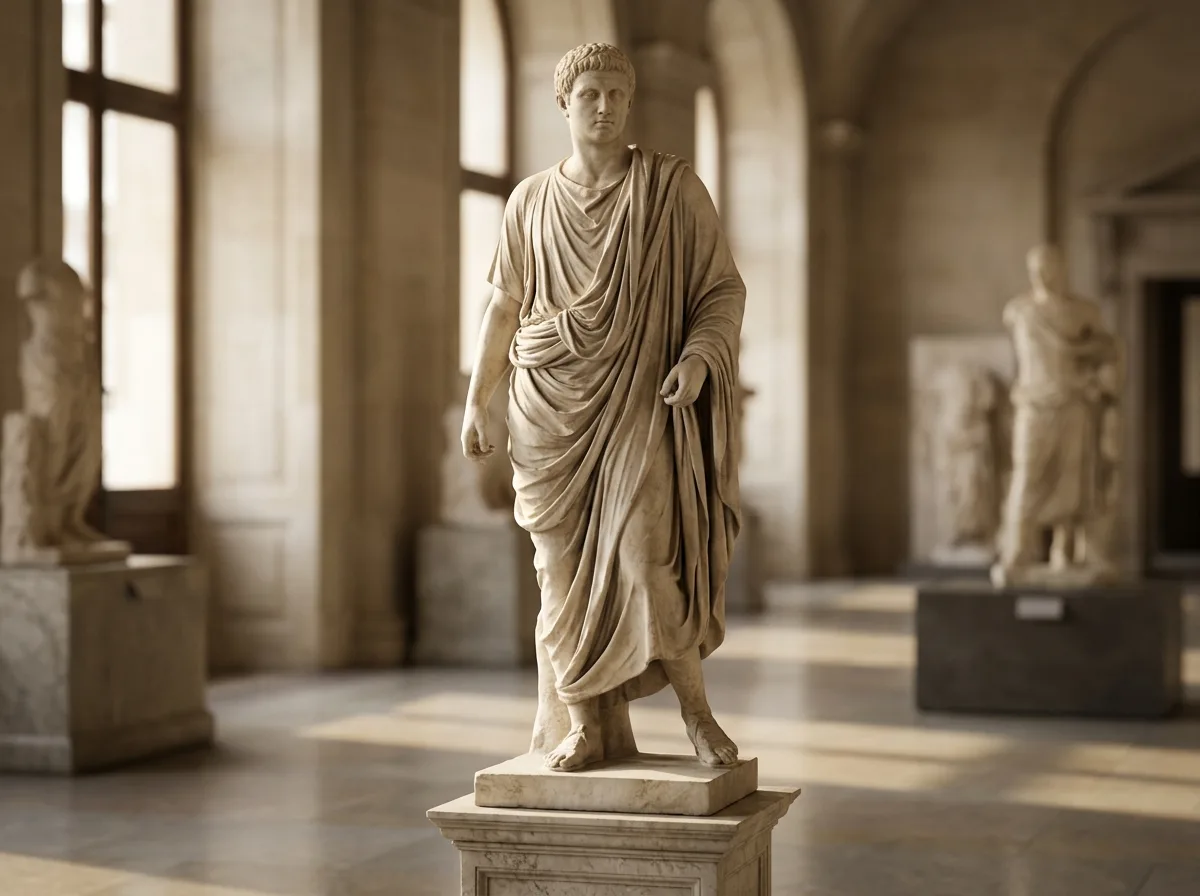
This is the principle of contrapposto in classical sculpture: the pelvis on the weight-bearing leg side is raised, the opposite shoulder is lowered, and the two lines tilt in opposite directions, so the body is no longer a rigid board.

The amplitude should be small, and the spine and joint angles must be reasonable, not becoming anatomically impossible distortions, nor should every segment turn in the same direction to become a full side profile.

The wrinkles in the clothing should redistribute according to the new torso direction.

Keep the face, clothing, lighting, and background as they are.

Avoid: excessive waist twist, shoulders and pelvis tilting in the same direction, unreasonable spinal bending, clothing wrinkles not changing accordingly.
Translated from Chinese by AI.
Show the original prompt
把人偶式的正面姿勢拆開。

肩線、腰線與腿的方向各自微微不同,形成一點自然的軀幹扭轉:例如骨盆略朝左、胸腔轉回中間、肩線再朝右一點,頭又轉回來。每一段只差十到二十度,累積起來就讓身體有了螺旋感。

這是古典雕塑對立式平衡的原理:承重腳那側骨盆上抬,對側肩膀下沉,兩條線反向傾斜,身體因此不再是一塊硬板。

幅度要小,脊椎與關節角度必須合理,不可變成解剖上不可能的扭曲,也不要每一段都轉同一個方向變成整體側身。

衣物的皺褶要跟著新的軀幹方向重新分布。

臉孔、服裝、光線與背景維持原樣。

避免:腰部扭轉過度、肩與骨盆同方向傾斜、脊椎彎折不合理、衣物皺褶沒有跟著改變。