Text-to-Image
Interior Design
通用
Concentration or Dispersion: Two Ways to Allocate the Budget
Prompt
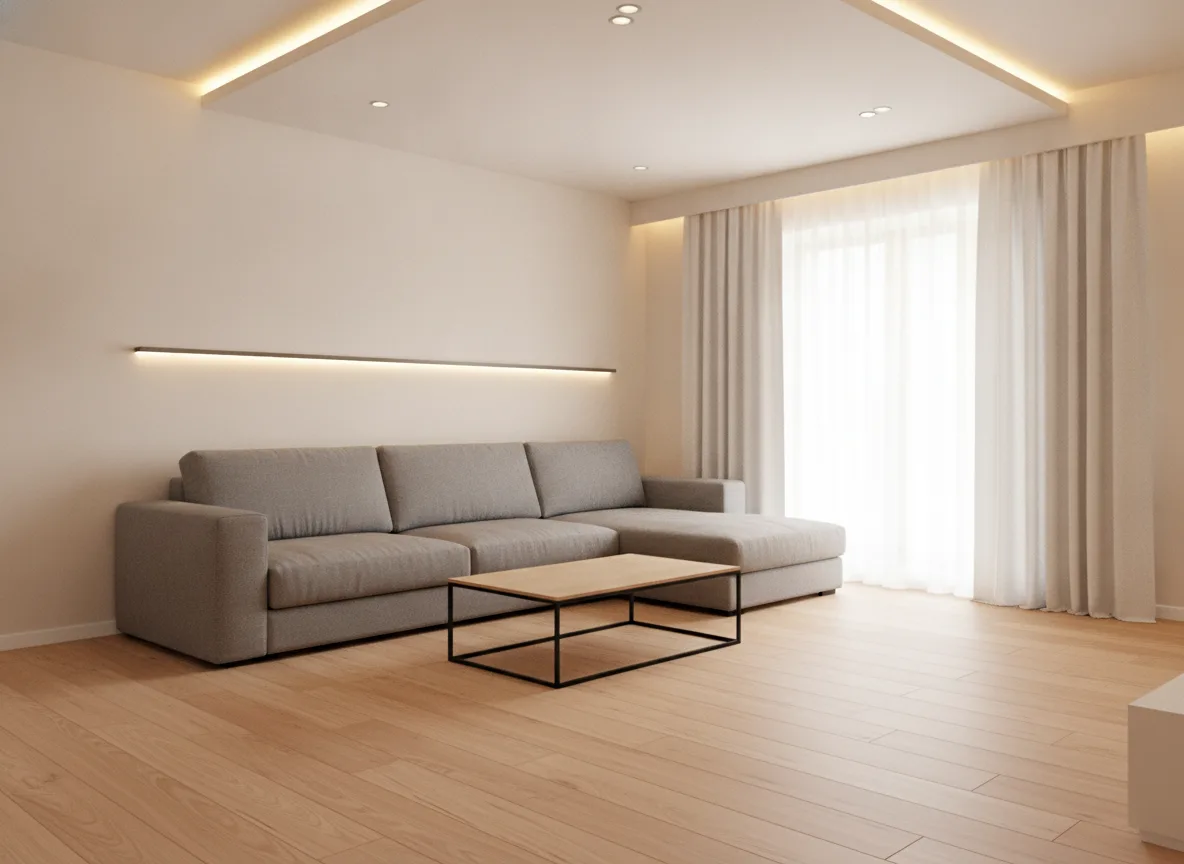
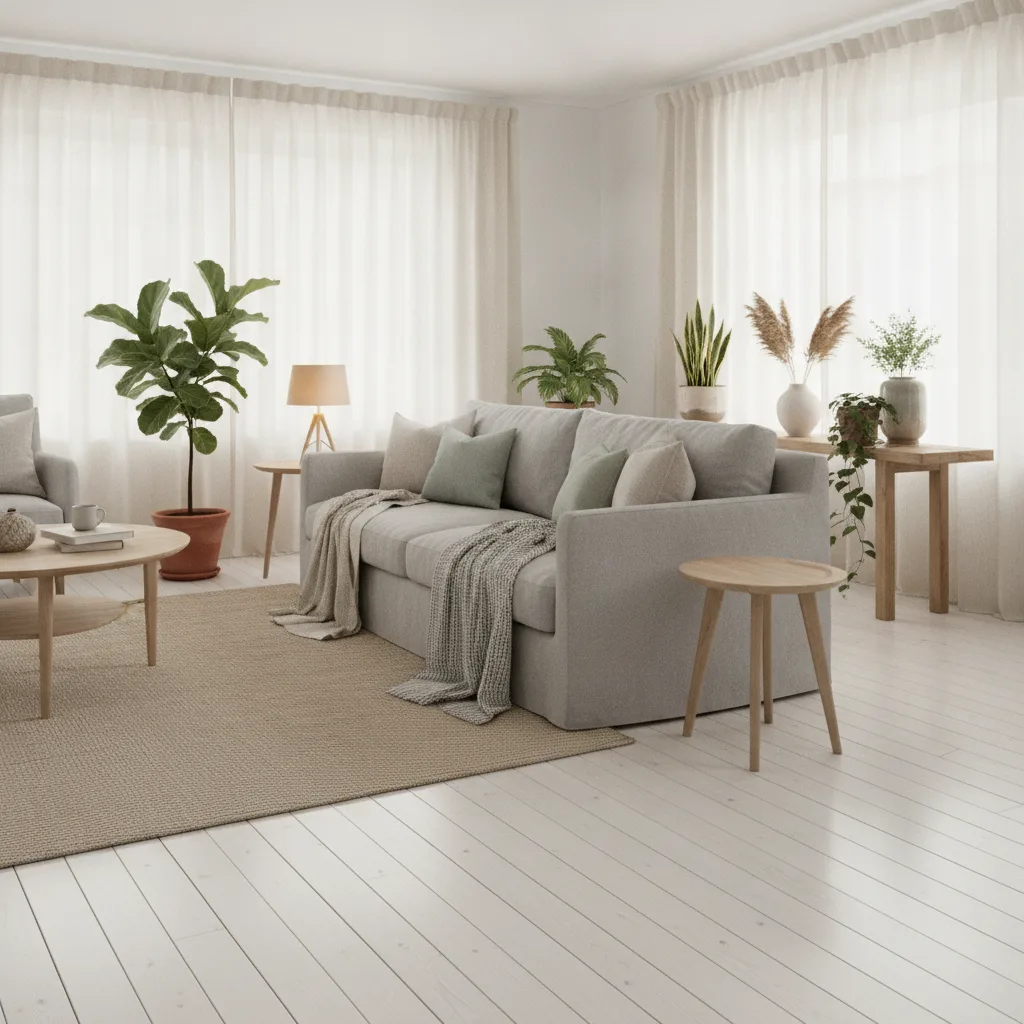
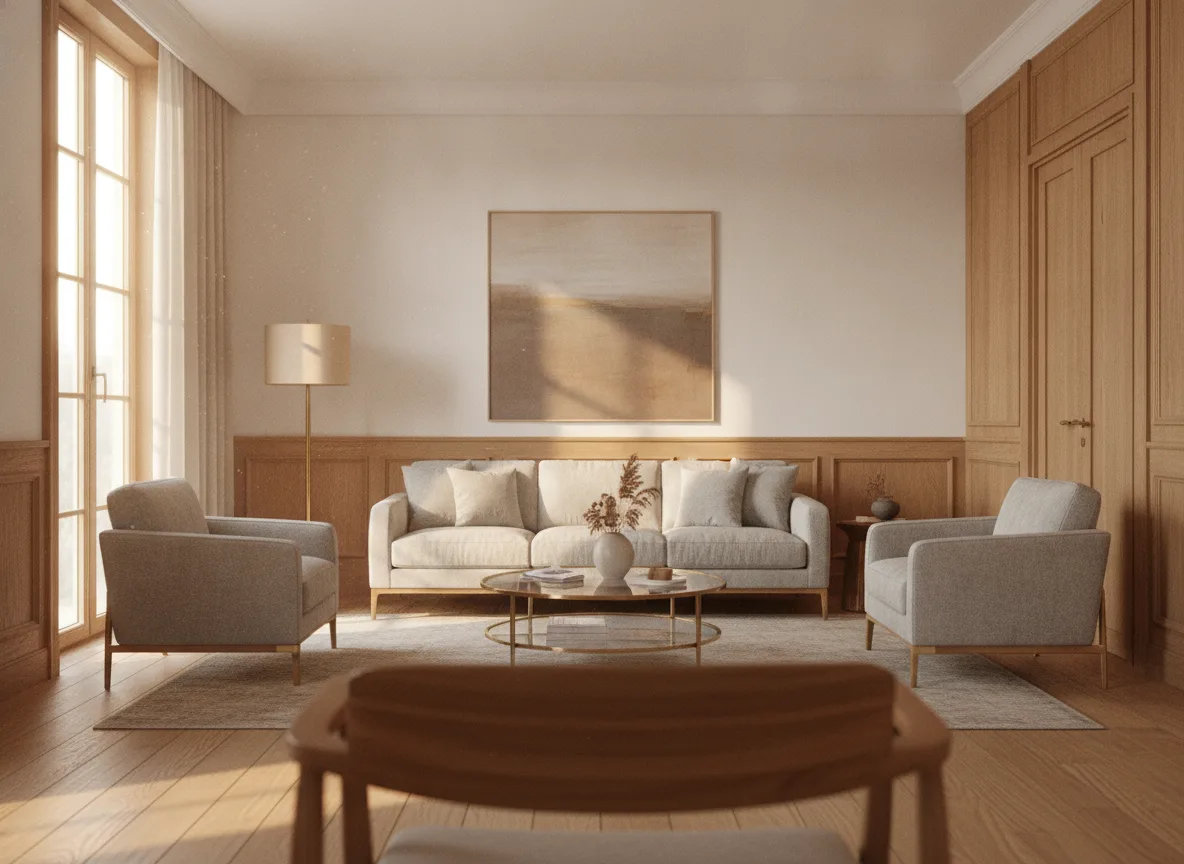
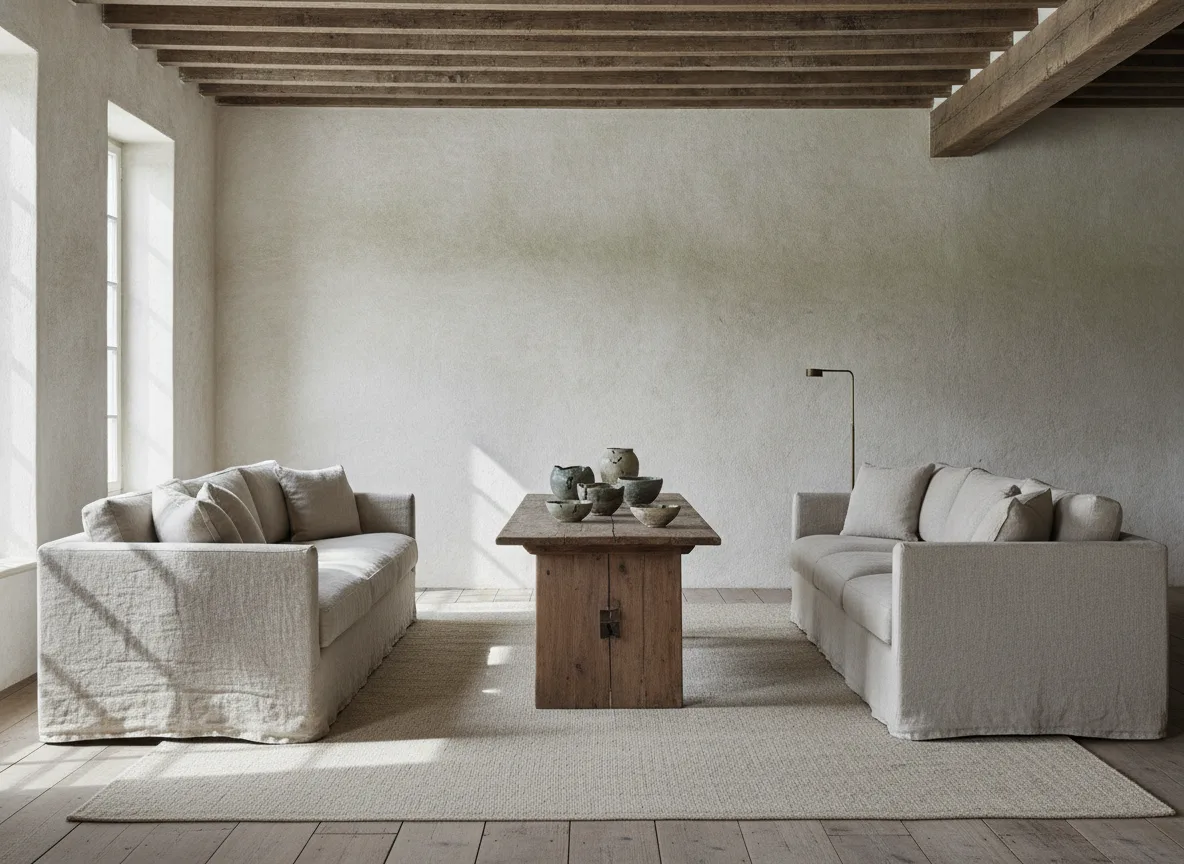
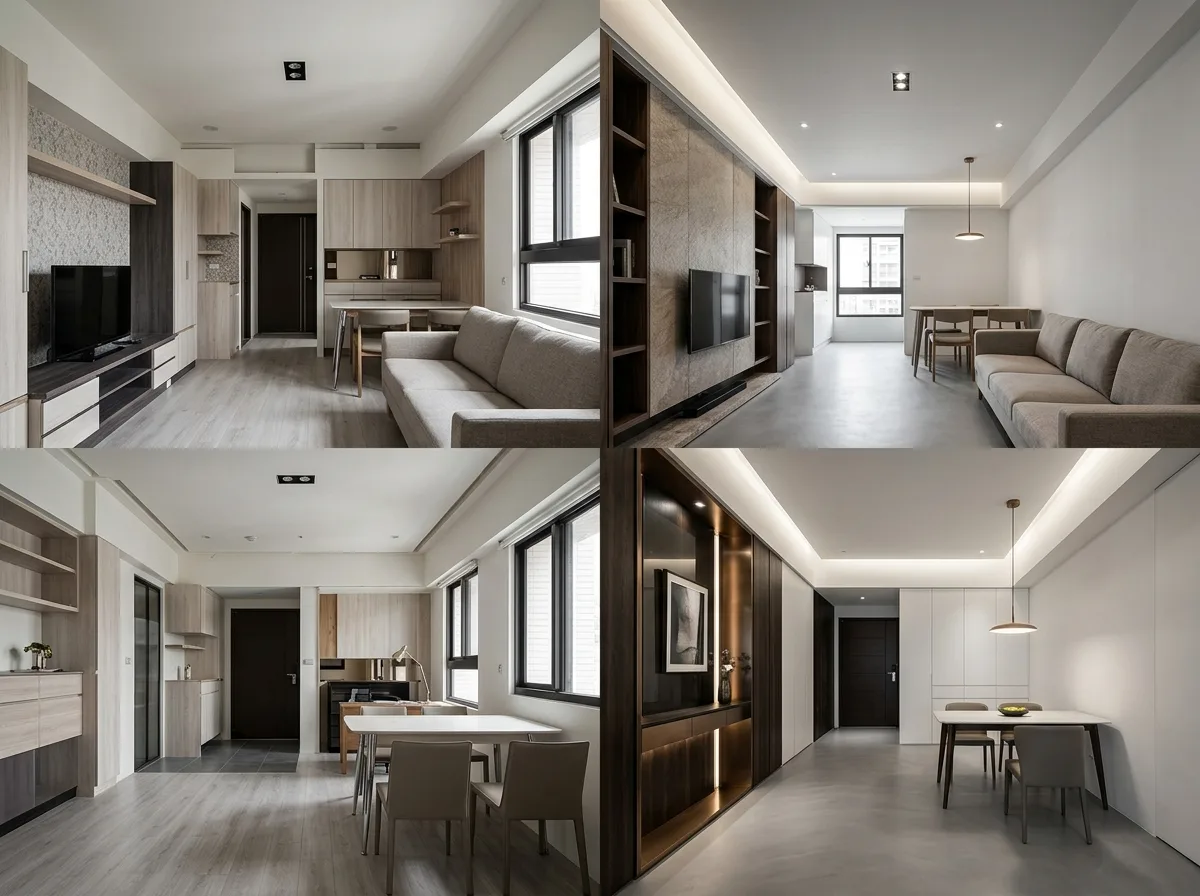
Two different budget allocations juxtaposed. On the left is the dispersed type: every wall has some styling, every space has a little highlight, eight or nine materials are used, resulting in everything being half-finished, with gaps between the ceiling and cabinets, misaligned lines, and mixed metal colors. On the right is the concentrated type: only the living room's TV feature wall and the entrance's focal point are fully finished, with everything else left blank; only four materials are used; the saved money is used to perfect the basics—flat ceilings, aligned lines, cabinets reaching the ceiling, and three layers of lighting. With the same budget, the right side clearly looks more upscale. Avoid: making the two similar, adding more highlights to the concentrated type, depicting the dispersed type as obviously rough and dilapidated, changing the floor area and number of furniture items for both.
Translated from Chinese by AI.
Show the original prompt
同一筆預算的兩種分配並置。左側是分散型:每一面牆都做了一點造型、每一個空間都有一點亮點、材料用了八九種,結果每一處都只做到一半,天花與櫃體之間有封板的縫、線條沒對齊、金屬色混用。右側是集中型:只有客廳的電視主牆與玄關的端景做滿,其餘全部留白;材料只有四種;省下的錢用在把基礎做到位——天花平整、線條對齊、櫃體到頂、照明分三層。同樣的錢,右側明顯高級。避免:讓兩者相似、在集中型加入更多亮點、把分散型畫成明顯粗糙破舊、改變兩者的坪數與家具數量。