Text-to-Image
Interior Design
通用
No More Sitting in Rows: Seating Geometry in Waiting Areas
Prompt
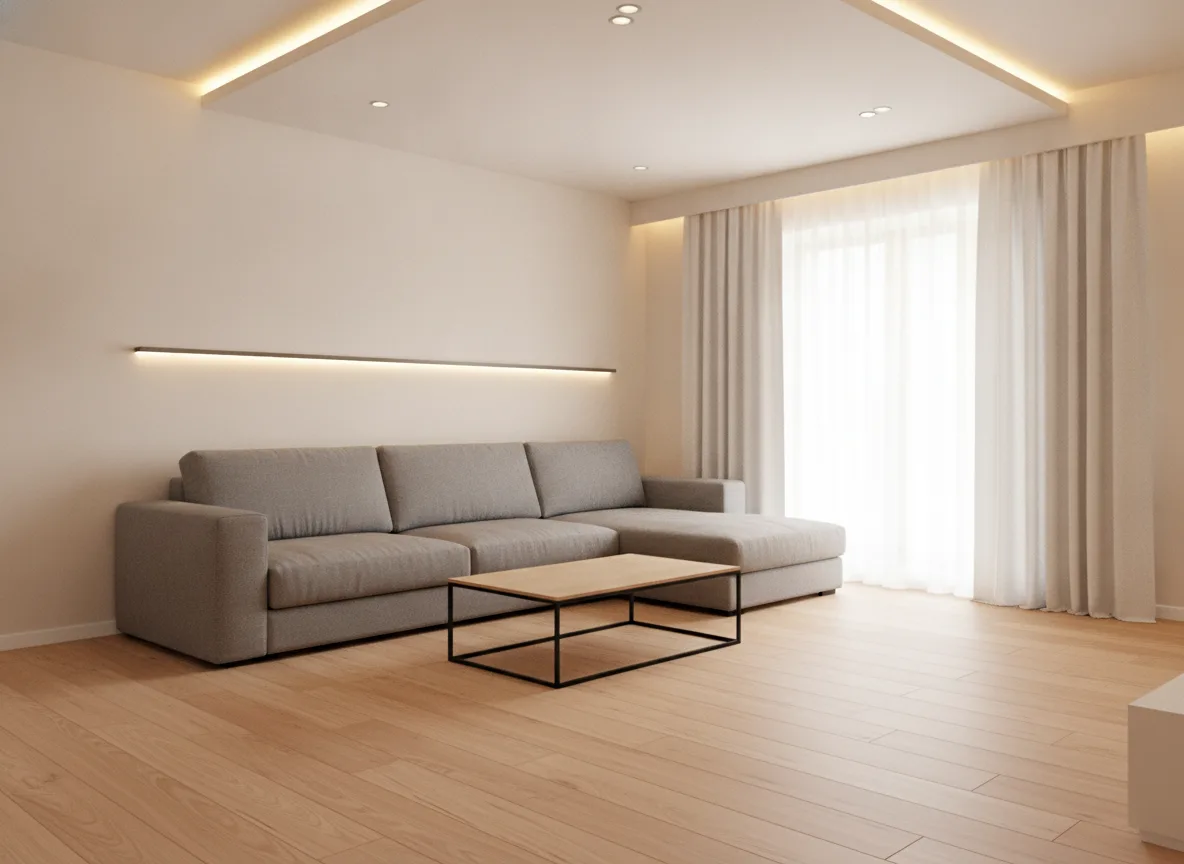
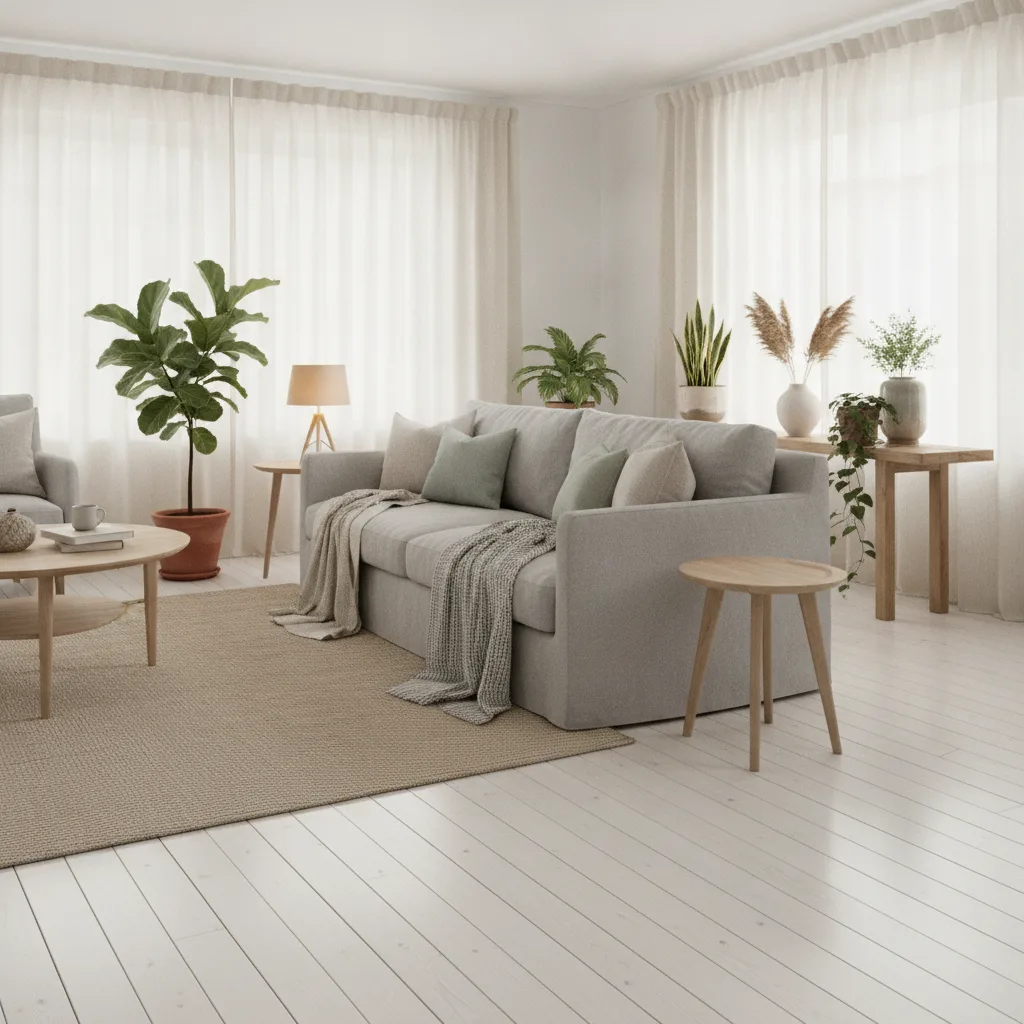
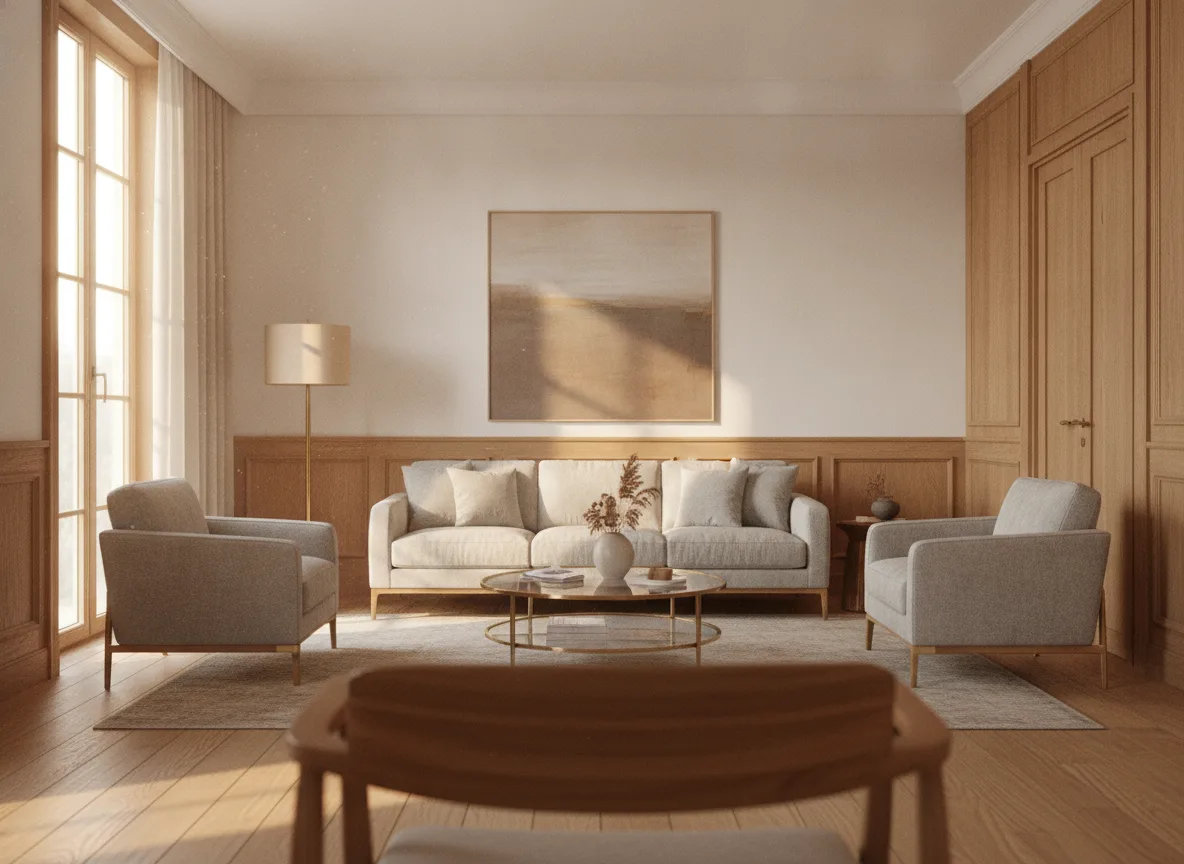
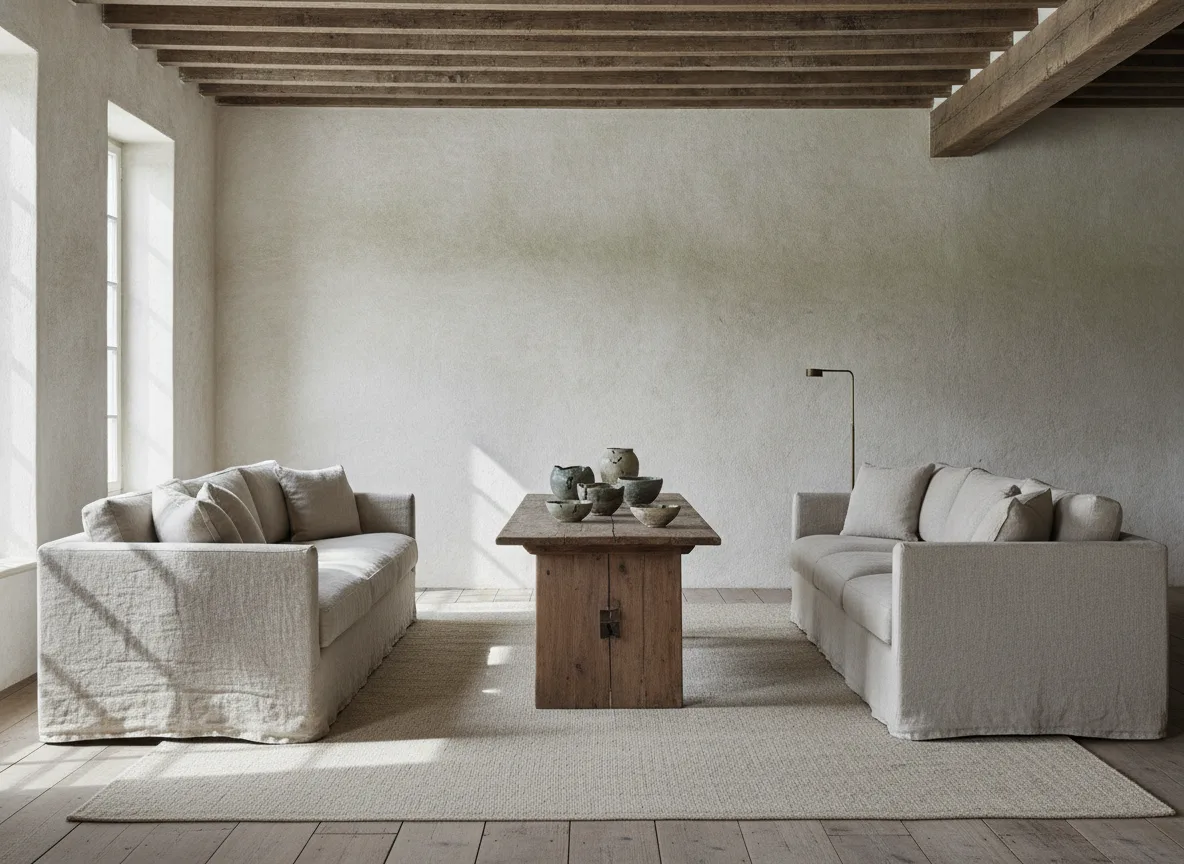
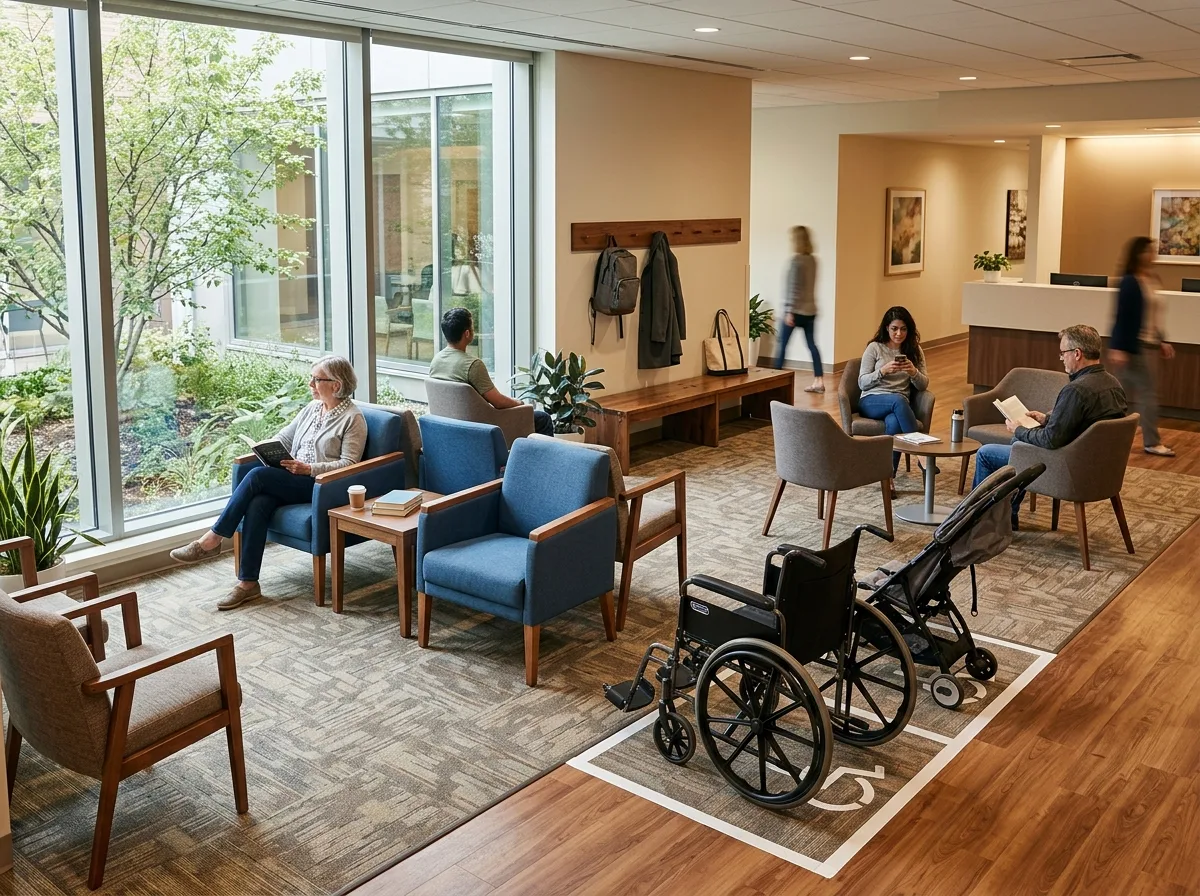
The most common mistake in waiting areas is arranging chairs in two rows facing each other, forcing strangers to make eye contact. Instead, arrange them into several small groups at different angles: two people side-by-side, three people forming an obtuse angle, a single chair facing a window, and a long bench for luggage and coats. This allows people to choose whether or not to be seen, depending on their mood. Leave space between chairs for wheelchairs and strollers to park, rather than blocking the aisle. Materials should be warm, cleanable, but not reflective. Shot in natural daylight, clearly showing the diverse seating arrangements and people's autonomous choices. Avoid: chairs arranged in long rows facing each other, all facing the same call screen, cold metal materials, no wheelchair parking space.
Translated from Chinese by AI.
Show the original prompt
等候區最常見的錯誤是把椅子排成面對面的兩列,讓陌生人被迫互相對視。改成幾種角度不同的小群組:兩人並肩的、三人圍成鈍角的、單獨一張面向窗的、以及一張可以放行李與外套的長椅。人因此可以依當下的心情選擇要不要被看見。椅子之間留出輪椅與推車可以停的位置,不是把它們擋在走道上。材質溫暖、可清潔但不反光。日間自然光下拍攝,座位的多樣配置與人的自主選擇清楚。避免:椅子排成面對面的長列、全部朝向同一個叫號螢幕、材質為冰冷金屬、沒有輪椅停放位置。