Text-to-Image
Interior Design
通用
Don't Be Afraid to Admit Using Alternative Materials
Prompt
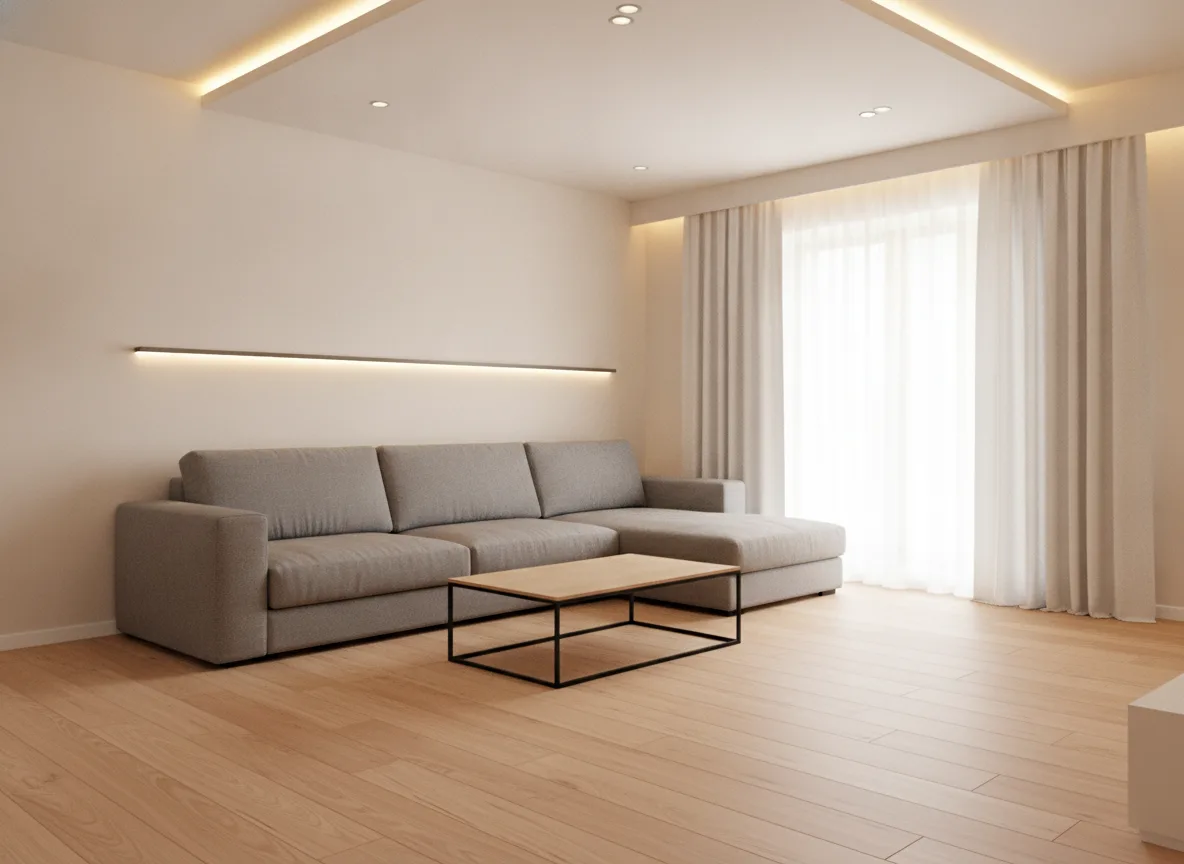
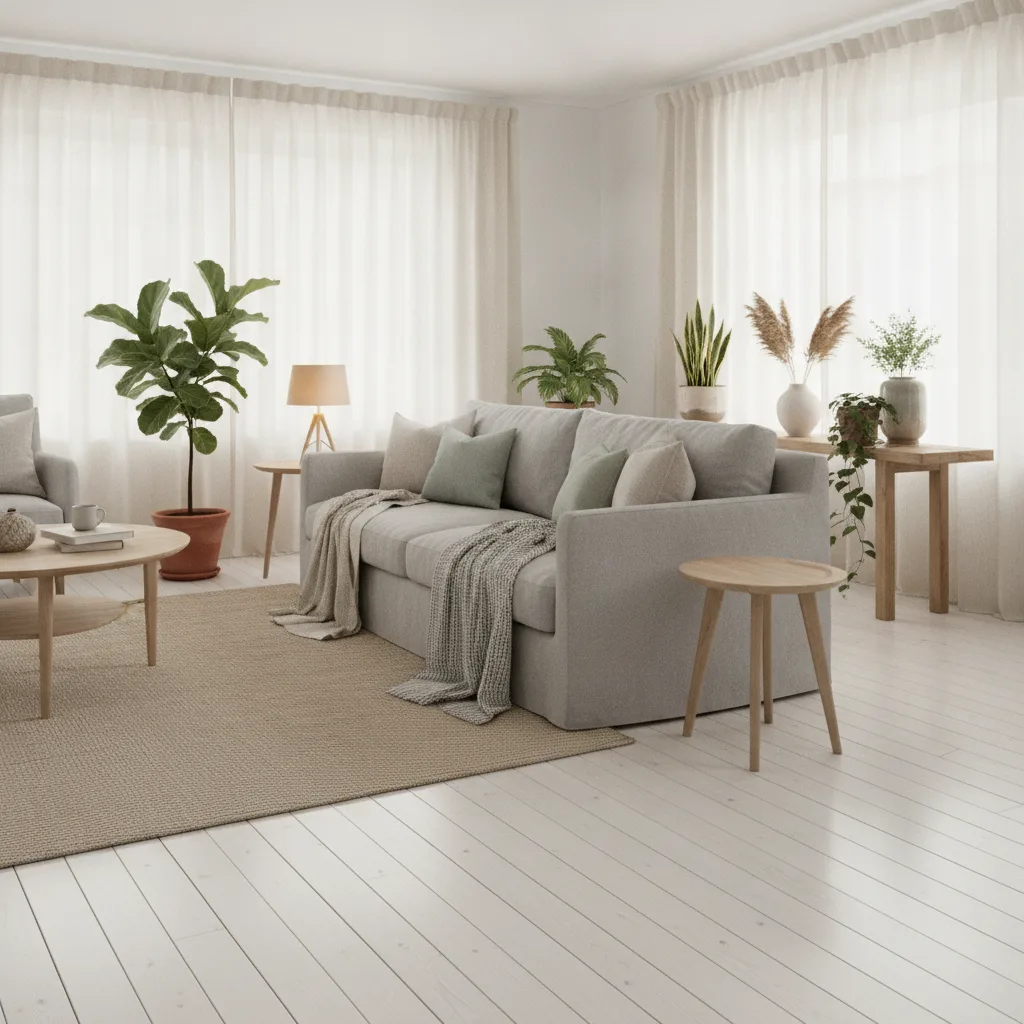
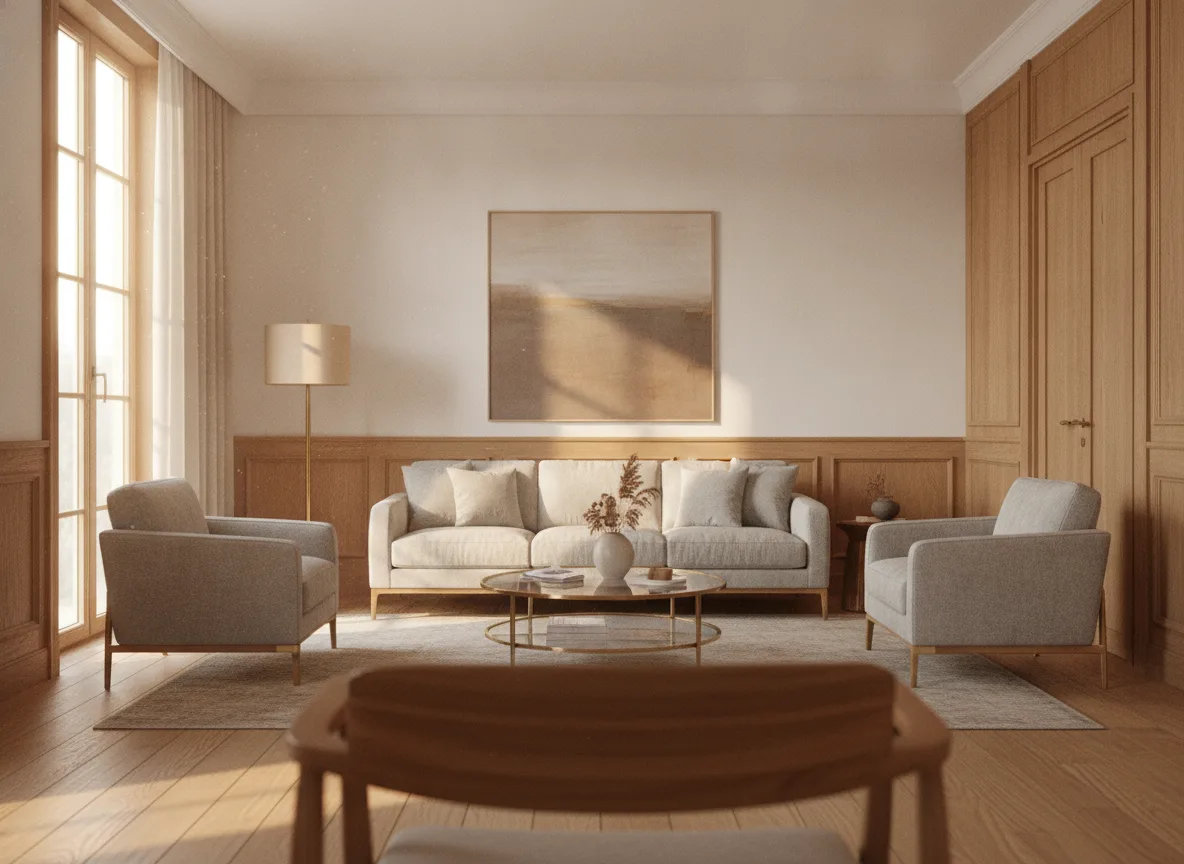
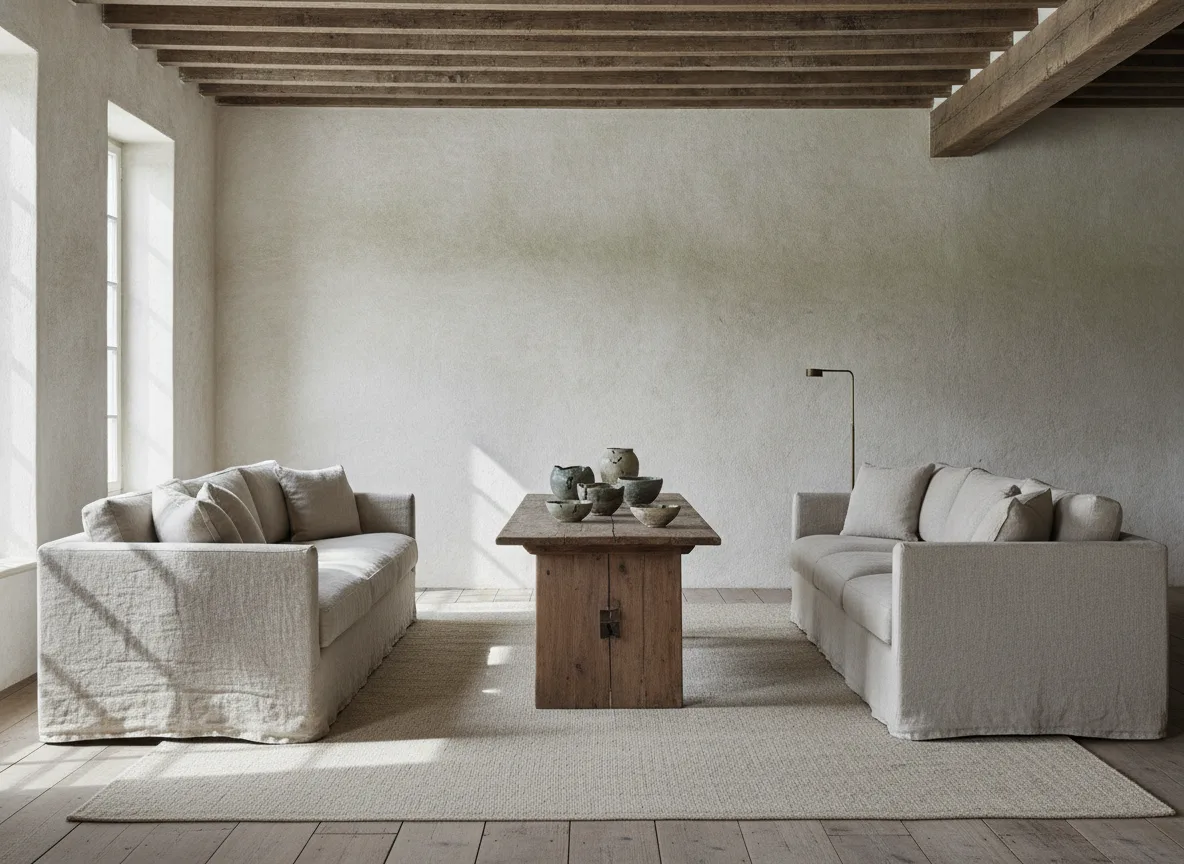
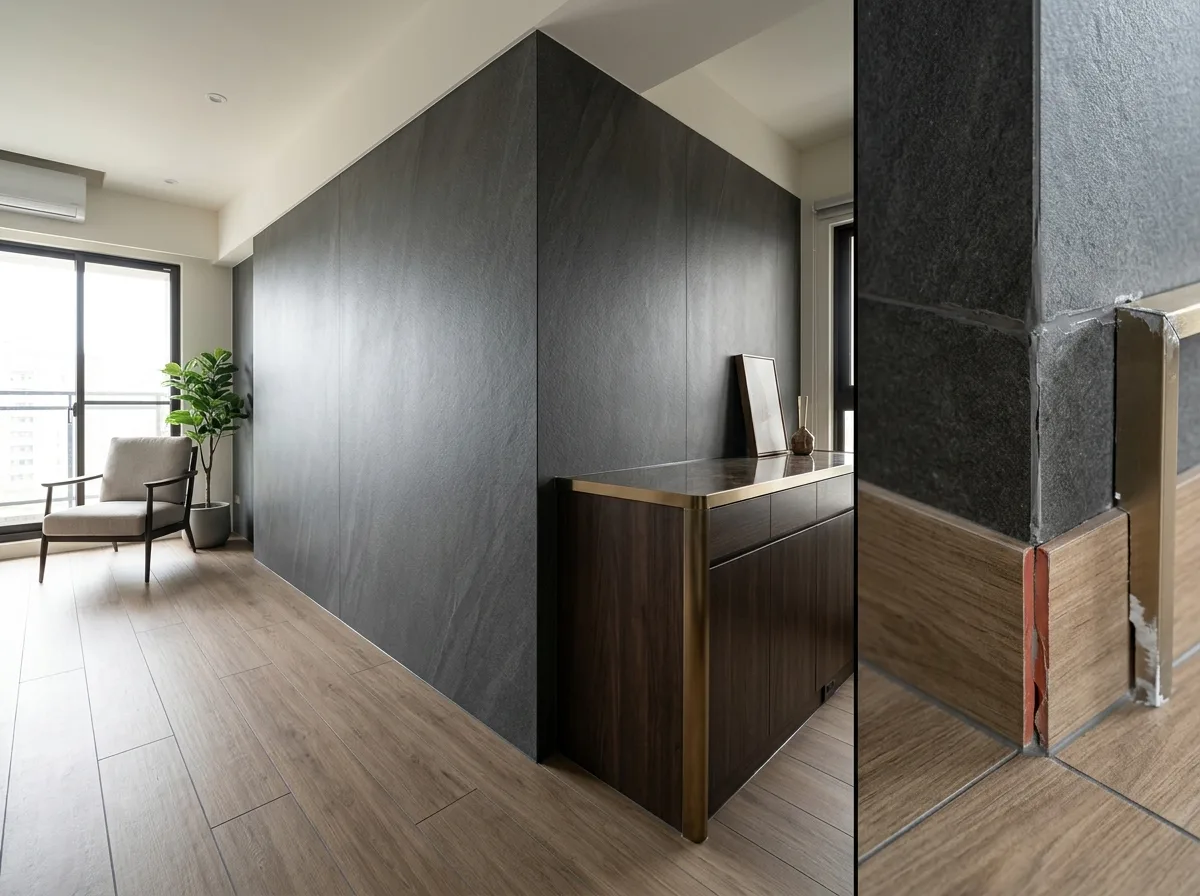
A space that openly uses alternative materials. The edges of the sintered stone wall are not deliberately made to look like false solid thickness, but honestly joined with a miter cut to form a clean thin edge; the joints of the wood-look tiles are not forced to be invisible, but form a rhythm with fine, regular lines; titanium-plated metal is only used where there is trim, not pretending to be solid pieces. Because there is no forced disguise, these materials each present their true appearance, making the overall effect clean and logical. A corner of the image shows a comparison with a version that insists on disguise: sintered stone wrapped to create a false ten-centimeter thickness, wood-look tiles with seamless joints but revealing right angles at corners, and titanium-plated parts exposing silver-white cross-sections, each disguise reminding the viewer that it is fake. Avoid: making the two versions similar, adding disguised elements to the correct version, depicting alternative materials as obviously inferior, changing the color scheme and layout of the two versions.
Translated from Chinese by AI.
Show the original prompt
一個坦然使用替代材料的空間。岩板牆的邊緣沒有刻意做成假的實心厚度,而是誠實地以斜切對接收成一個俐落的薄邊;木紋磚的接縫沒有硬要做到看不見,而是以細而規律的縫線構成節奏;鍍鈦的金屬只用在有包邊的位置,不假裝是實心件。因為不勉強偽裝,這些材料各自呈現它們真正的樣子,整體反而乾淨而有邏輯。畫面一角以硬要偽裝的版本作對照:岩板包出十公分的假厚度、木紋磚做無縫拼接卻在轉角露出直角、鍍鈦件露出銀白斷面,每一處偽裝都在提醒觀者它是假的。避免:讓兩者相似、在正確版本加入偽裝的做法、把替代材料畫成明顯低劣、改變兩者的配色與配置。