Text-to-Image
Interior Design
通用
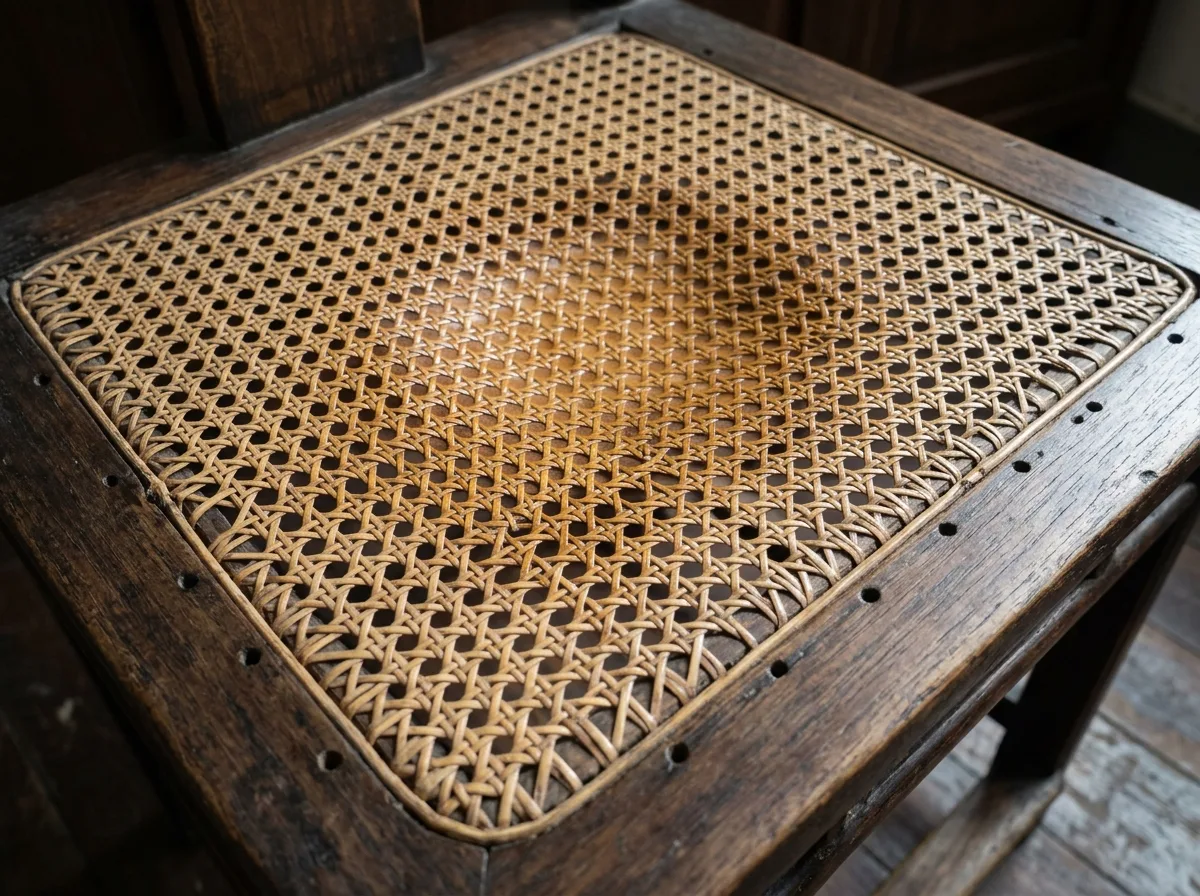
Rattan Woven Soft Cushion: The Seat is Breathable and Cushioned
Prompt
A close-up of a chair seat. The seat is neither a solid wood board nor upholstered, but a traditional woven rattan soft seat: a base is first stretched with thick rattan or palm rope, then the surface is woven with thin rattan skin. The weaving pattern is a regular hexagonal mesh or herringbone, allowing air circulation. Because it is stretched, it has slight elasticity when sat upon; after years of use, a shallow indentation will appear in the center, and the color will be darker and smoother than the surrounding area. The rattan color gradually changes from new light beige to honey brown. The edges of the seat are held down by a wooden frame, and the marks of holes drilled for threading the rattan are visible. The overall effect creates a contrast of light and dark, and soft and hard, with the dark hardwood frame. Avoid: using solid wood boards and upholstered cushions, making the rattan surface flat without indentations, using plastic imitation rattan materials, dyeing the rattan dark.
Translated from Chinese by AI.
Show the original prompt
一張椅子座面的近景。座面不是實木硬板也不是軟包,而是傳統的藤編軟屜:先以粗的藤條或棕繩繃出底層,再以細的藤皮編出表面,編法是規則的六角孔或人字紋,通透可以透氣。因為是繃出來的,坐上去有輕微的彈性;使用多年後中央會出現一個淺淺的凹陷,顏色也比周邊深且光滑。藤的顏色從新的淺米黃逐漸轉為蜜糖褐。座面的四周以木框壓住,邊緣打孔穿藤的痕跡可見。整體與深色的硬木框架形成明暗與軟硬的對比。避免:使用實木硬板與軟包坐墊、讓藤面平整無凹陷、使用塑膠仿藤材料、把藤染成深色。