Text-to-Image
Architecture
通用
Tradition | The "Chui Hua Men" (Hanging Flower Gate): A Gatepost That Doesn't Touch the Ground in the Courtyard
Prompt
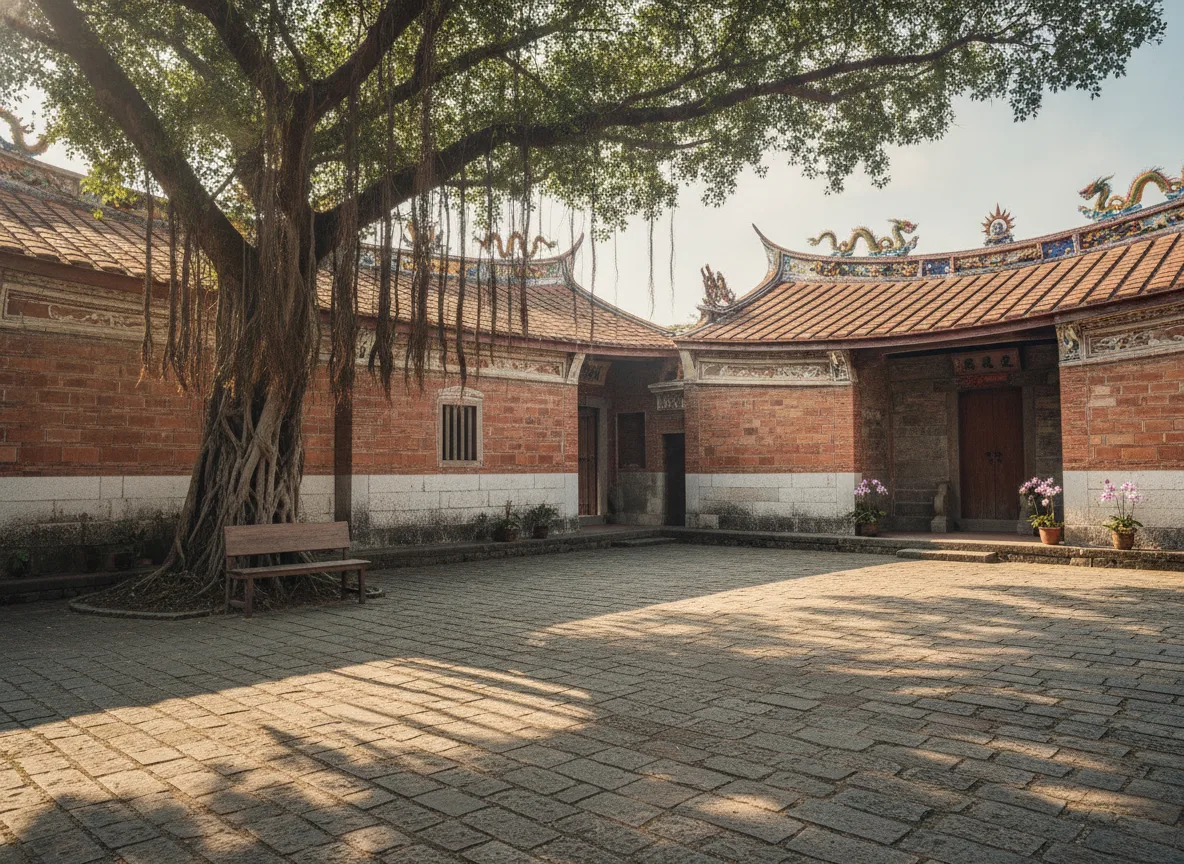
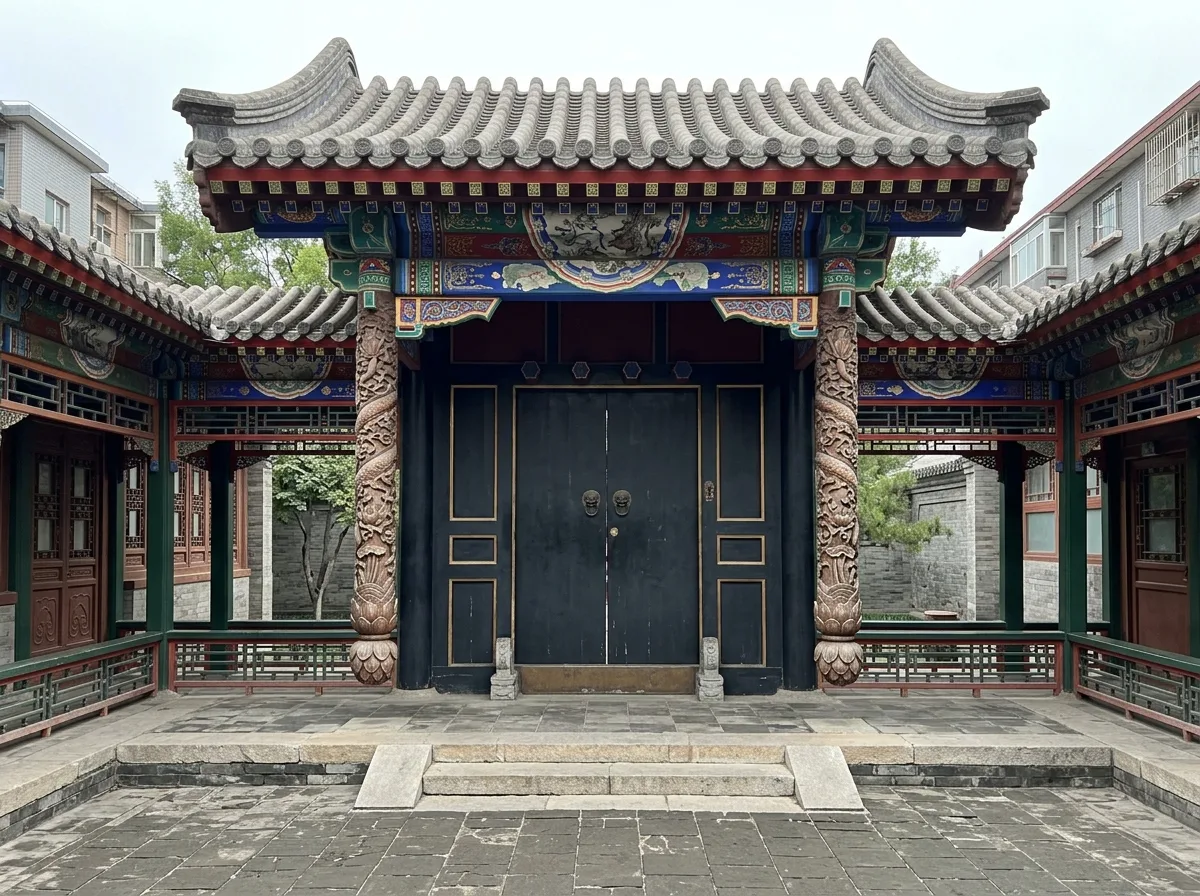
The gate separating the outer and inner courtyards in a siheyuan (quadrangle courtyard house), its most distinctive feature being two columns that do not reach the ground: the columns are suspended beneath the beam, with their ends carved into inverted flower bud shapes, hence the name. This counter-intuitive design keeps the space beneath the gate clear, yet visually maintains the definition of columns. The gate's roof is either a juanpeng (curved roof) or xieshan (hip-and-gable roof), with deep eaves and painted beams and purlins. The door panels are wooden and can be closed, connecting to covered walkways on both sides. This gate marks the boundary between inside and outside—external guests stop here. The ground is paved with square bricks, with stone steps in front. Shot frontally in soft, diffused light, clearly showing the carvings of the suspended columns and the painted beams and purlins. Avoid: suspended columns touching the ground, removing painted decorations, shallow roof eaves, disconnection from the side walkways.
Translated from Chinese by AI.
Show the original prompt
四合院中分隔外院與內院的門,最大的特徵是兩根不落地的柱:柱懸在樑下,末端雕成倒垂的花苞形,因此得名。這個違反直覺的做法讓門的下方保持通暢,視覺上卻仍有柱的界定。門的屋頂為卷棚或懸山,出簷深遠,樑枋上有彩繪。門扇為木製,可關閉,兩側連接抄手遊廊。這道門是內外有別的界線——外客止於此。地面為方磚墁地,前有石階。柔和的散射光下正面拍攝,垂柱的雕刻與樑枋的彩繪清楚。避免:垂柱落地、拿掉彩繪、屋頂出簷過淺、與兩側遊廊脫節。