Text-to-Image
Interior Design
通用
Light Strips Aren't Decoration: Hide Them Where They Should Be Hidden
Prompt
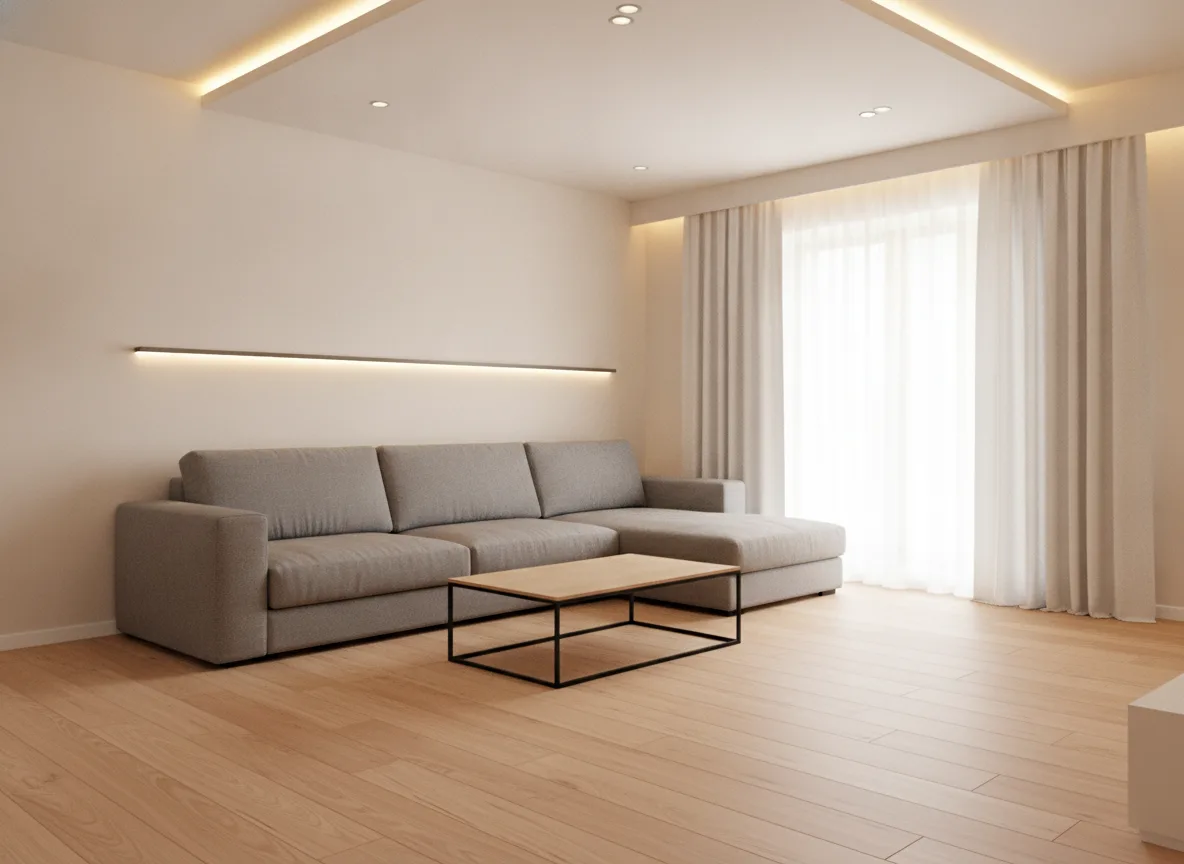
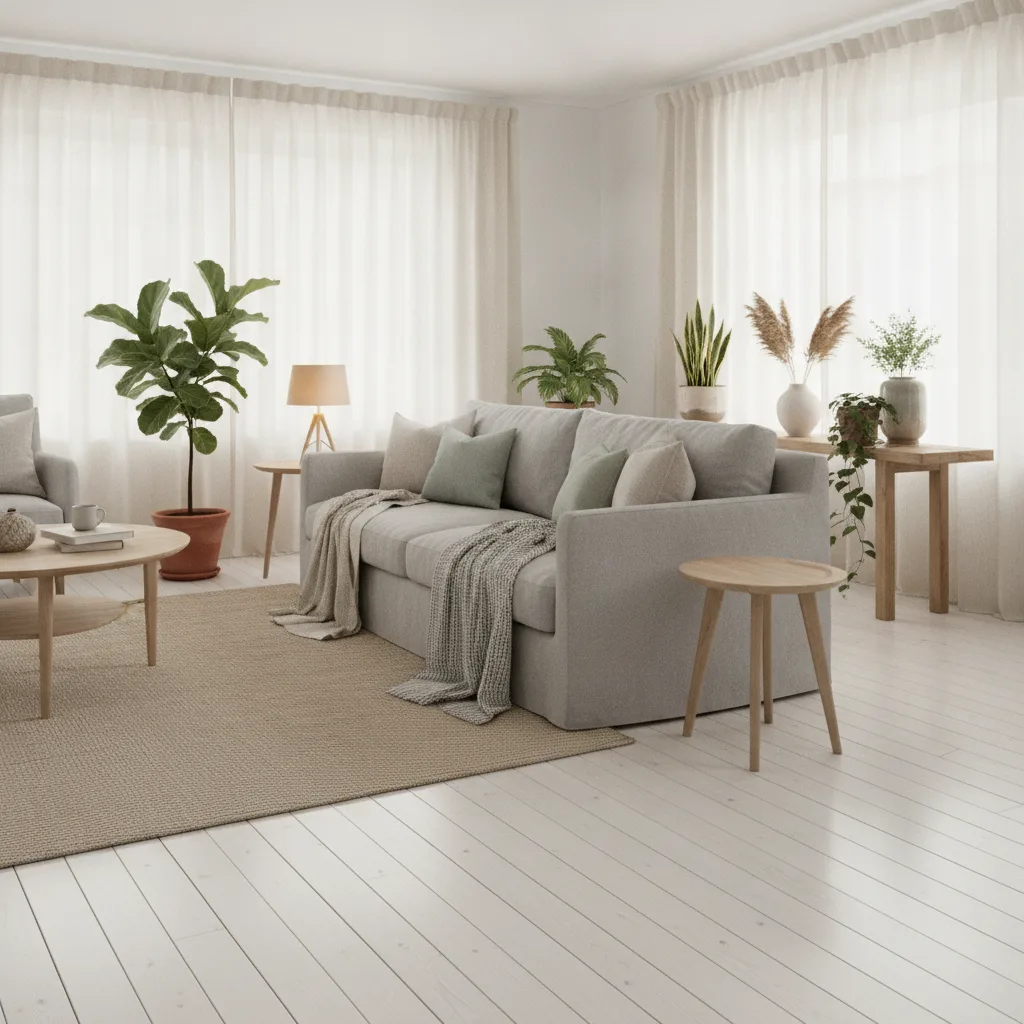
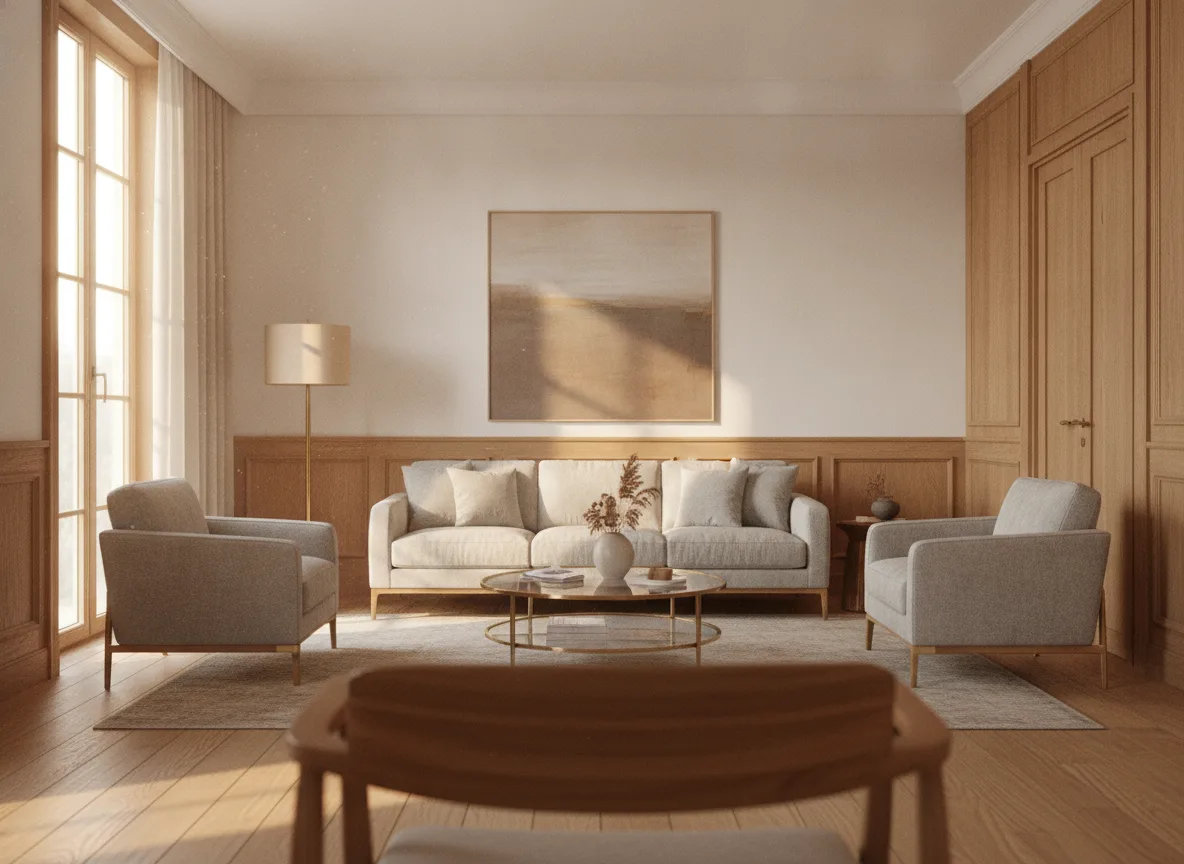
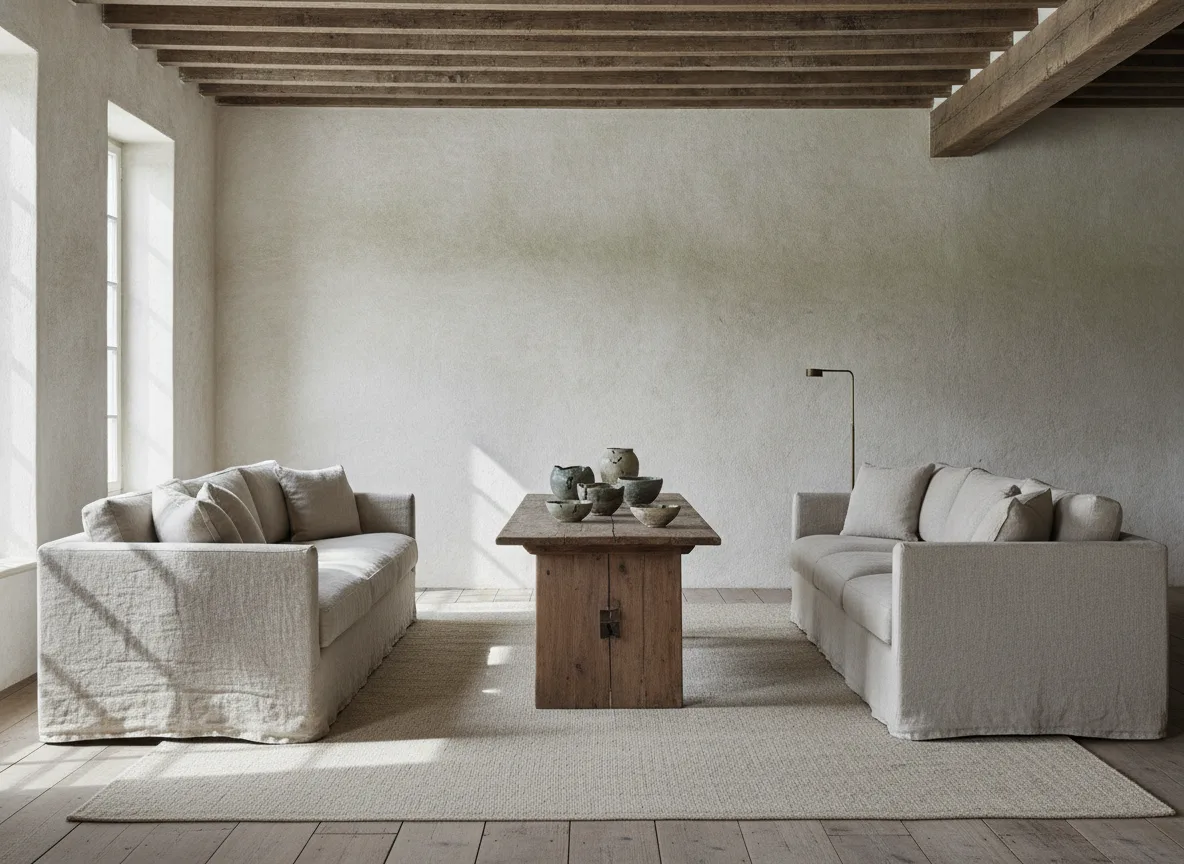
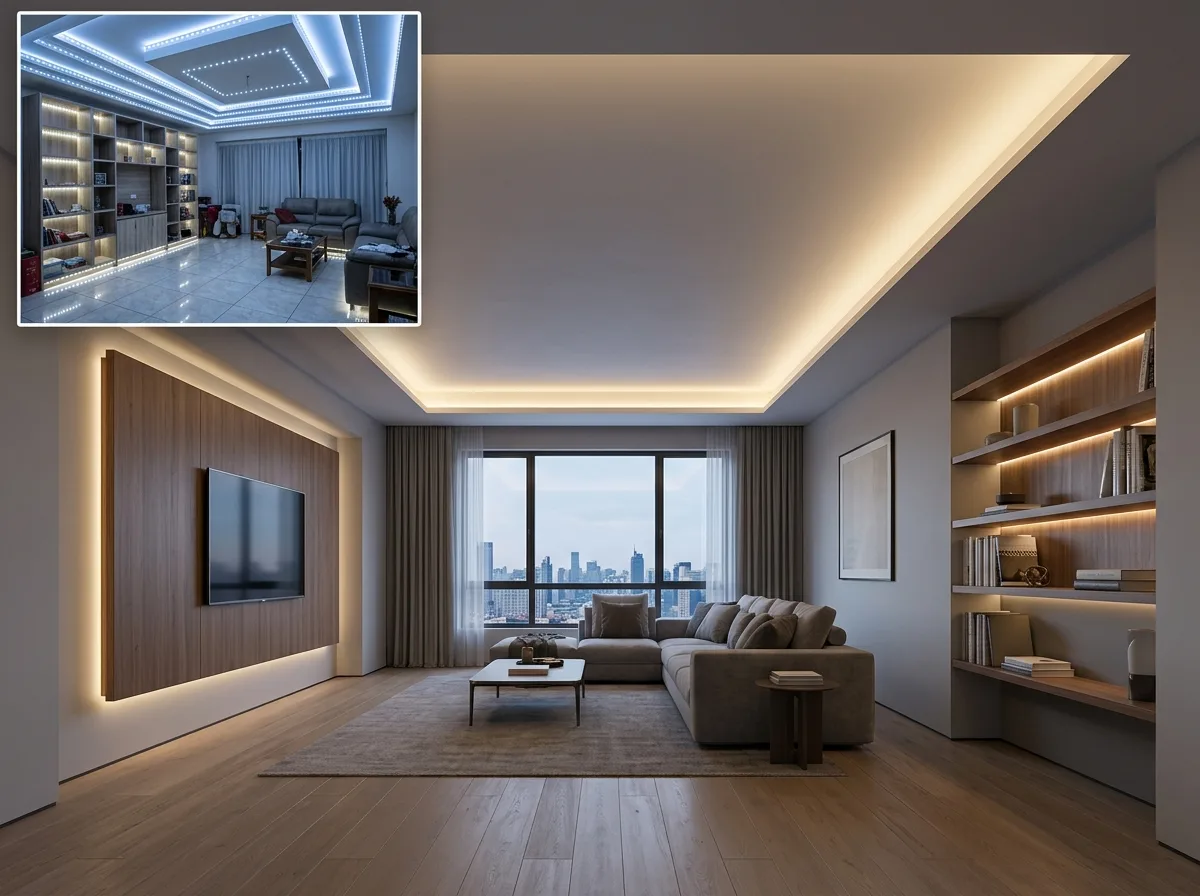
A space with correctly used indirect lighting strips. The lighting strips appear in only three locations, each with a reason: the recessed groove where the ceiling meets the wall, washing light onto the ceiling to make it appear lighter; the recessed perimeter of the TV main wall, making the main wall seem to float; and the underside of cabinet shelves, illuminating displayed items. In every instance, the light fixture and beads are invisible; only the light itself is seen. A corner of the image shows a comparison with an overused version: the ceiling has three layers, all hiding lights; every compartment of the cabinet has lights; and there are lights on the floor. The entire room is glowing everywhere, not only lacking hierarchy but also revealing individual light beads. Avoid: making the two versions similar, increasing the number of lighting strips in the correct version, allowing the graininess of the light beads to show through, using colored lighting strips.
Translated from Chinese by AI.
Show the original prompt
一個正確使用間接燈帶的空間。燈帶只出現在三個位置,每一處都有理由:天花與牆交接的凹槽,把光洗上天花讓它顯得輕;電視主牆的四周退凹處,讓主牆像浮起來;以及櫃體層板的下緣,照亮陳列的東西。每一道燈帶都看不見燈體與燈珠,只看得見光。畫面一角以濫用的版本作對照:天花做了三層都藏燈、櫃體每一格都有燈、地板也有,整個房間到處在發光,不但沒有層次還會看到一顆顆的燈珠。避免:讓兩者相似、在正確版本增加燈帶的數量、讓燈珠的顆粒感透出來、使用彩色的燈帶。