Text-to-Image
Interior Design
通用
Incompleteness: Leave Half for the Viewer to Complete
Prompt
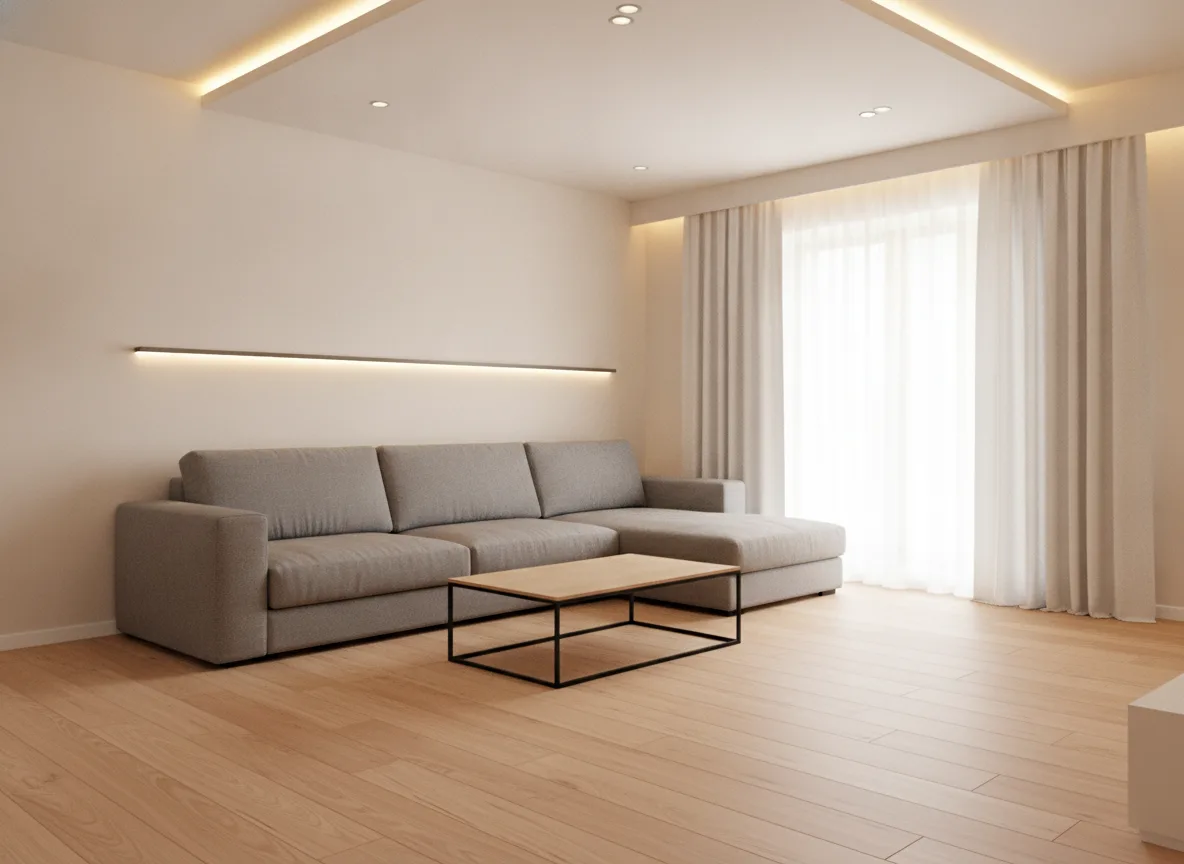
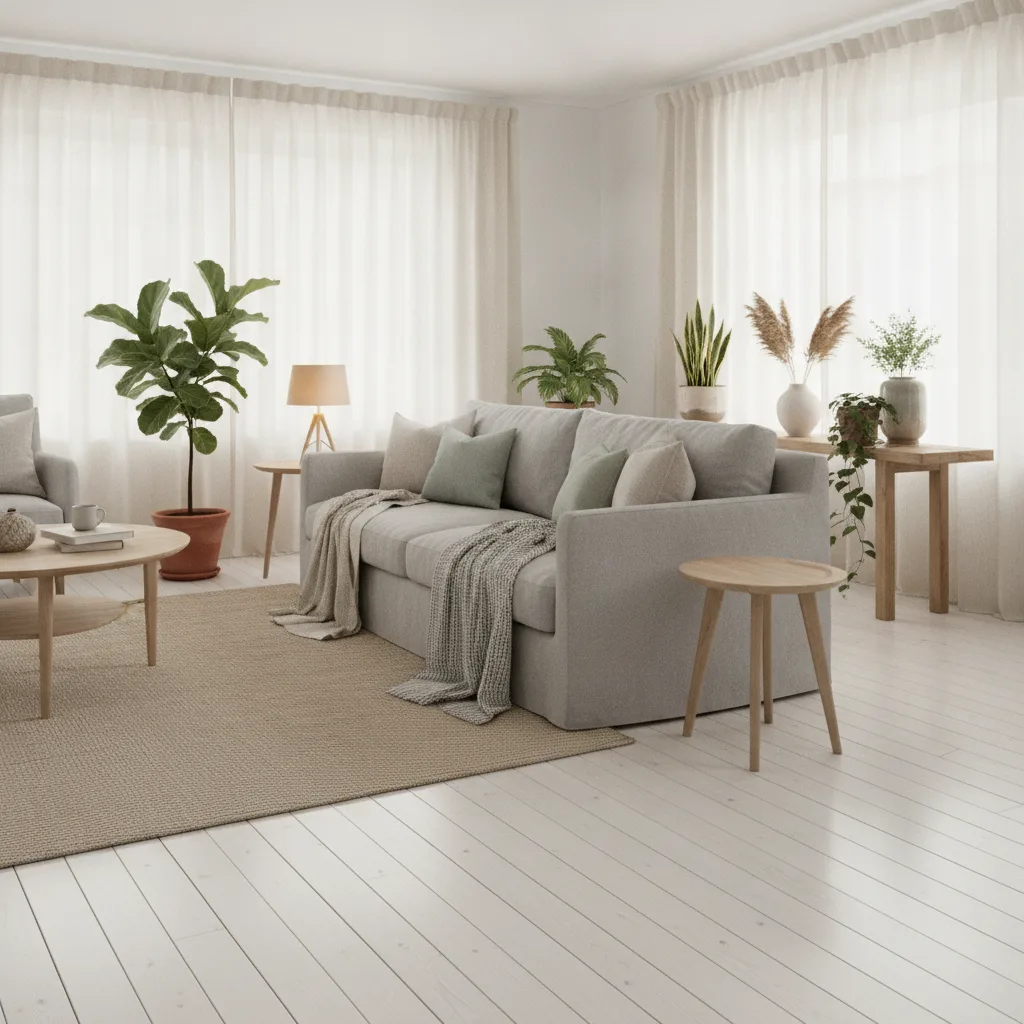
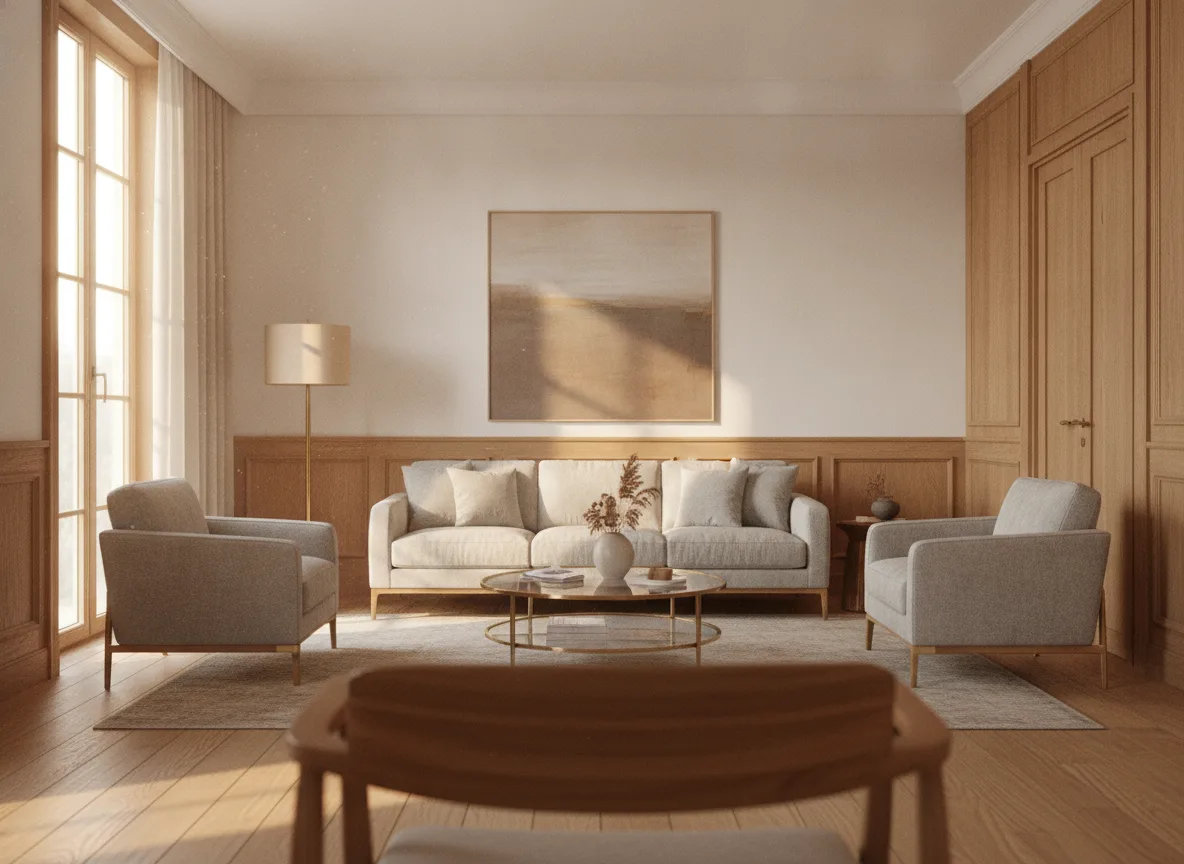
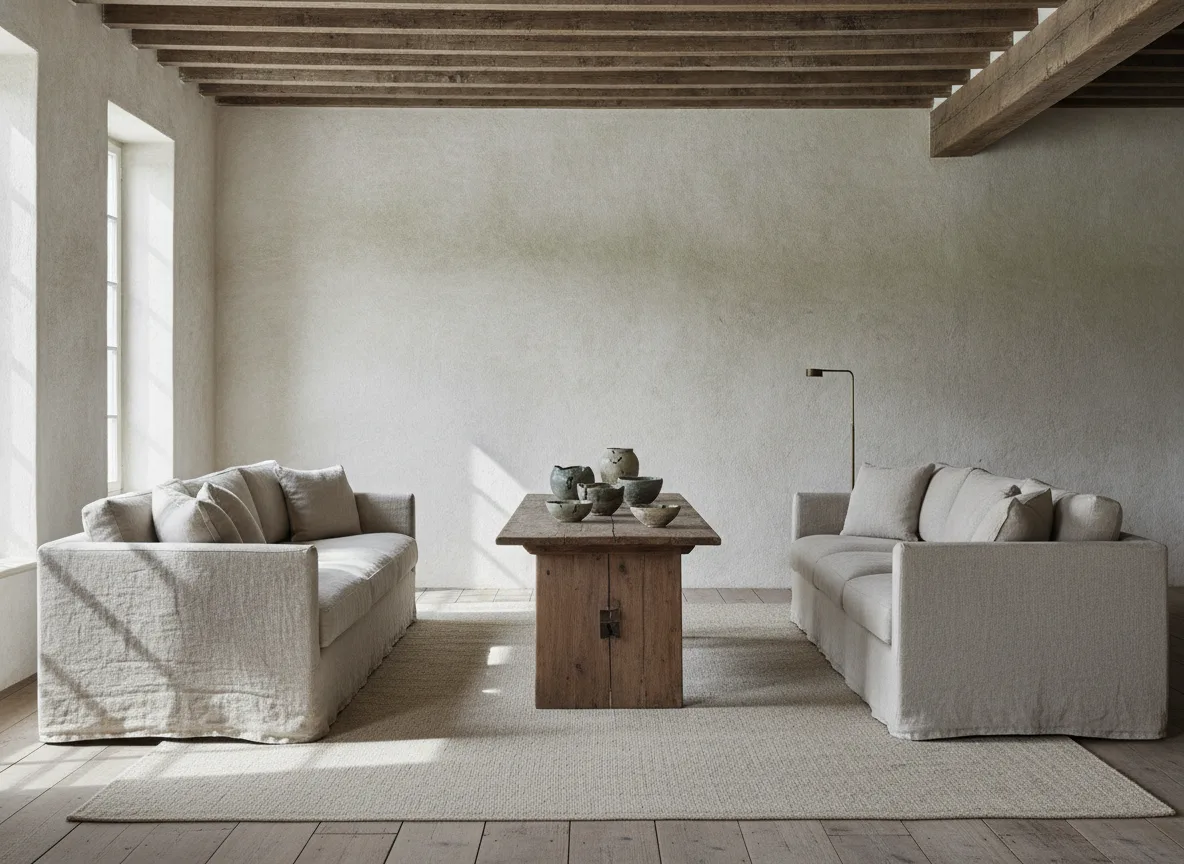
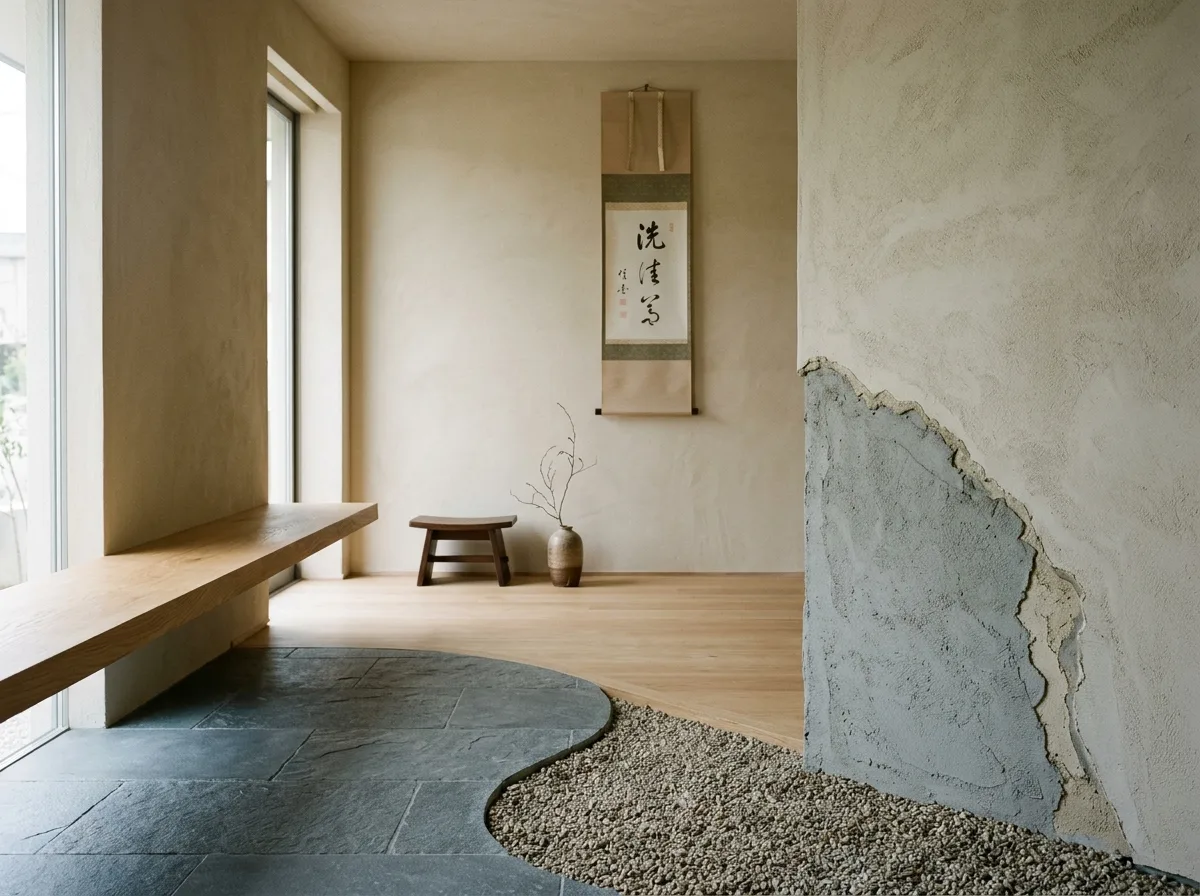
A deliberately incomplete space. On one area of the wall, the rough plaster is not smoothed all the way to the bottom, revealing the underlying material and an irregular edge at the junction; a section of wooden shelving is not long enough to span the entire wall, stopping midway; the stone slabs on the floor transition to gravel halfway, with an irregular curved boundary; a hanging scroll is only partially displayed, with the lower half rolled up. These 'unfinished' elements are not construction oversights but deliberate choices, because complete things leave no room for imagination. Every unfinished boundary has been carefully treated, a conscious stop rather than a casual interruption. The rest of the space is clean and simple. Avoid: making every part complete, making unfinished boundaries appear rough or casual, adding decorations to distract attention, depicting the space as a ruin.
Translated from Chinese by AI.
Show the original prompt
一個刻意不做完整的空間。牆面上有一片區域的粗坯灰泥沒有抹到底,露出下方的底層材料與交界處不規則的邊;一段木質層板的長度不足以貫穿整面牆,在中途就停止;地面的石板鋪到一半改為碎石,交界是不規則的曲線;一幅掛軸只掛出一部分,下半捲著。這些「沒做完」不是施工的疏漏而是刻意的,因為完整的東西不留想像的餘地。每一處未完成的邊界都被仔細處理過,是有意識的停止而不是隨便中斷。空間的其餘部分乾淨簡單。避免:把每一處都做到完整、讓未完成的邊界顯得粗糙隨便、加入裝飾轉移注意、把空間畫成廢墟。