Text-to-Image
Interior Design
通用
Window transitions: openings need depth
Prompt
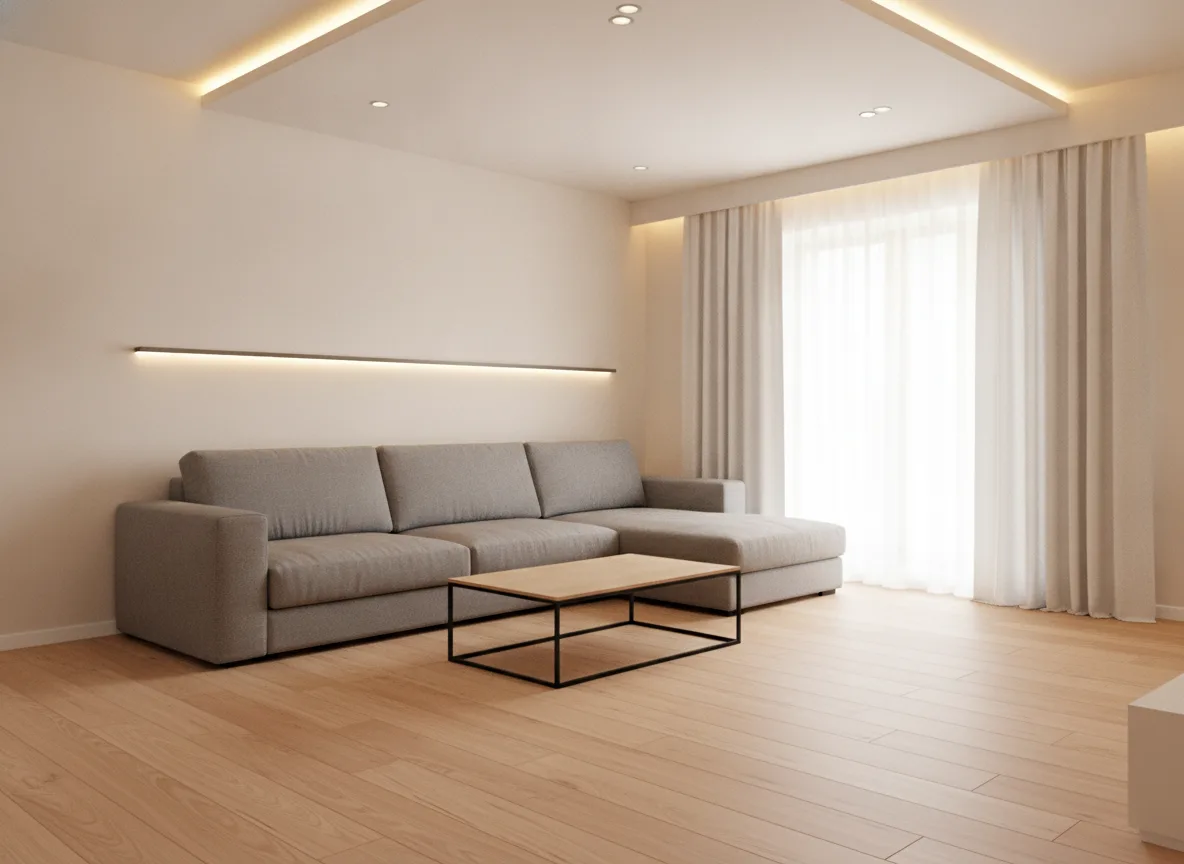
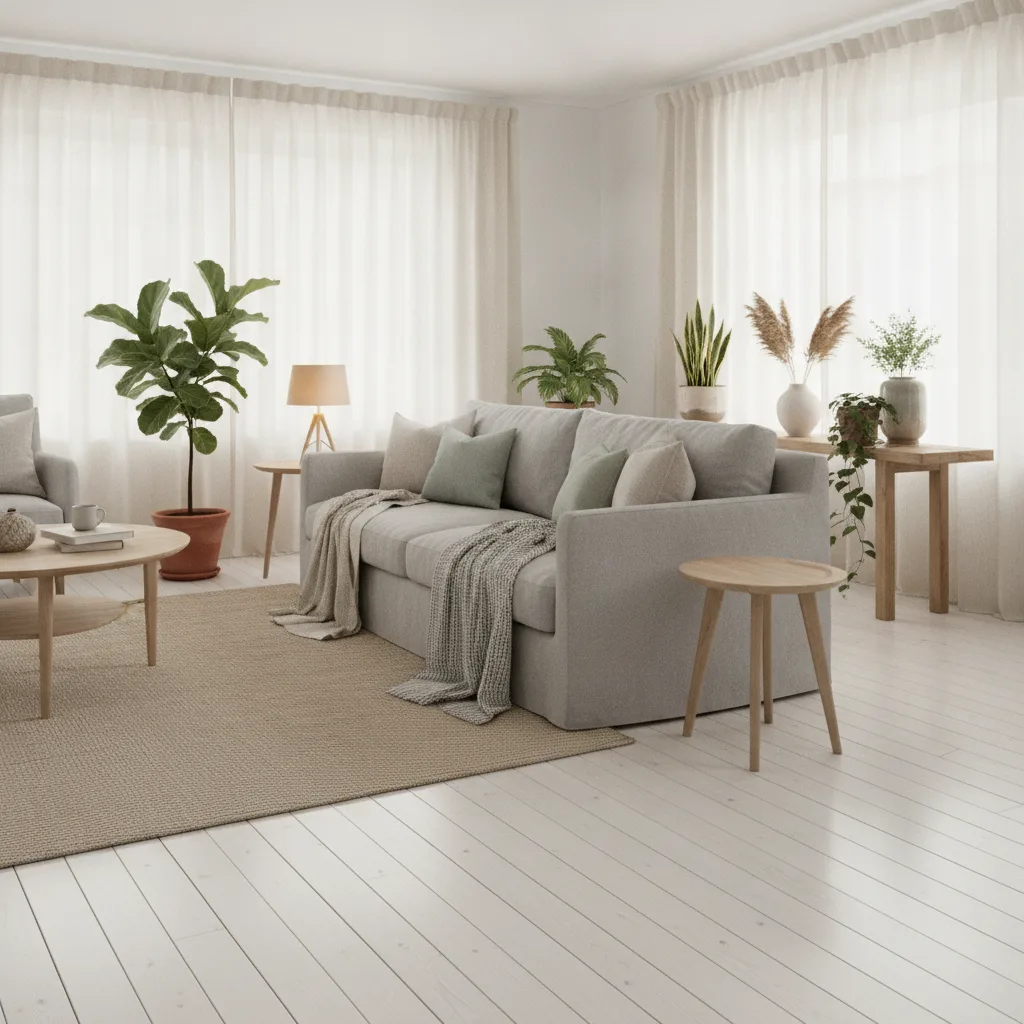
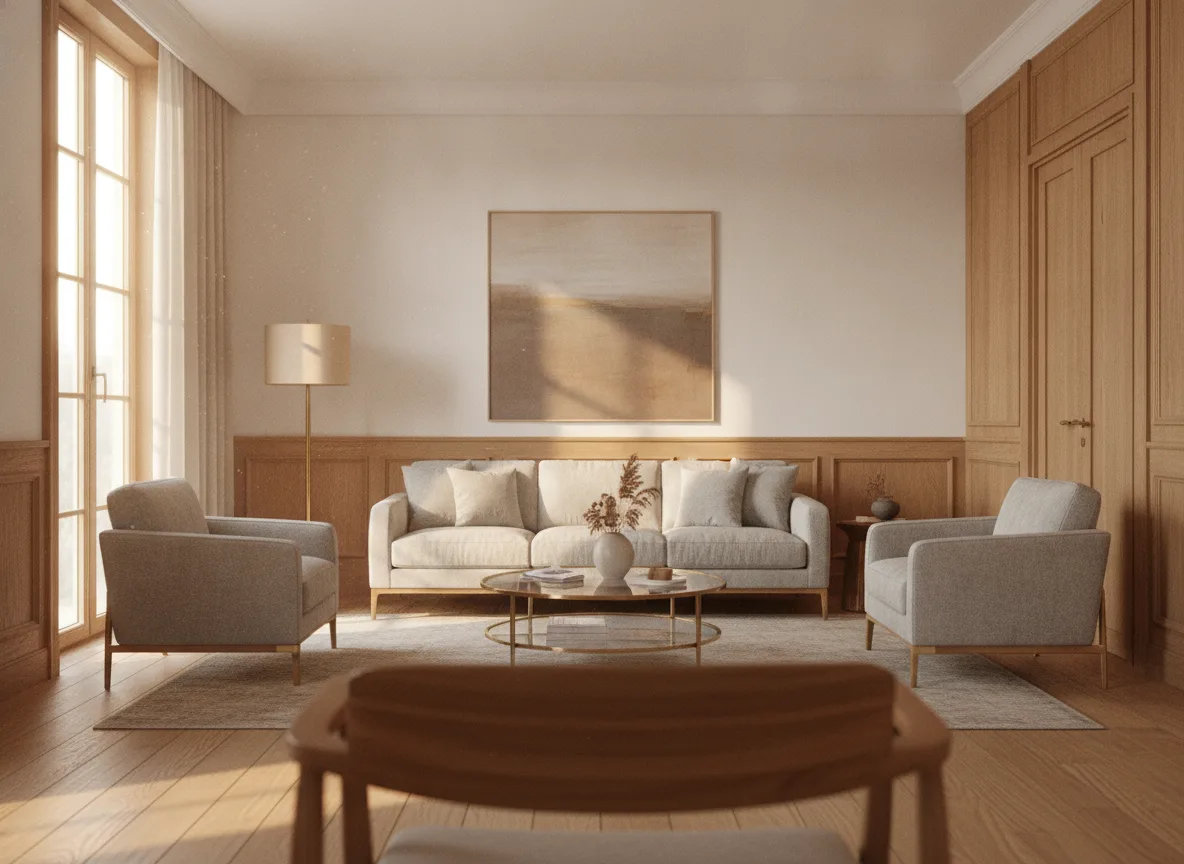
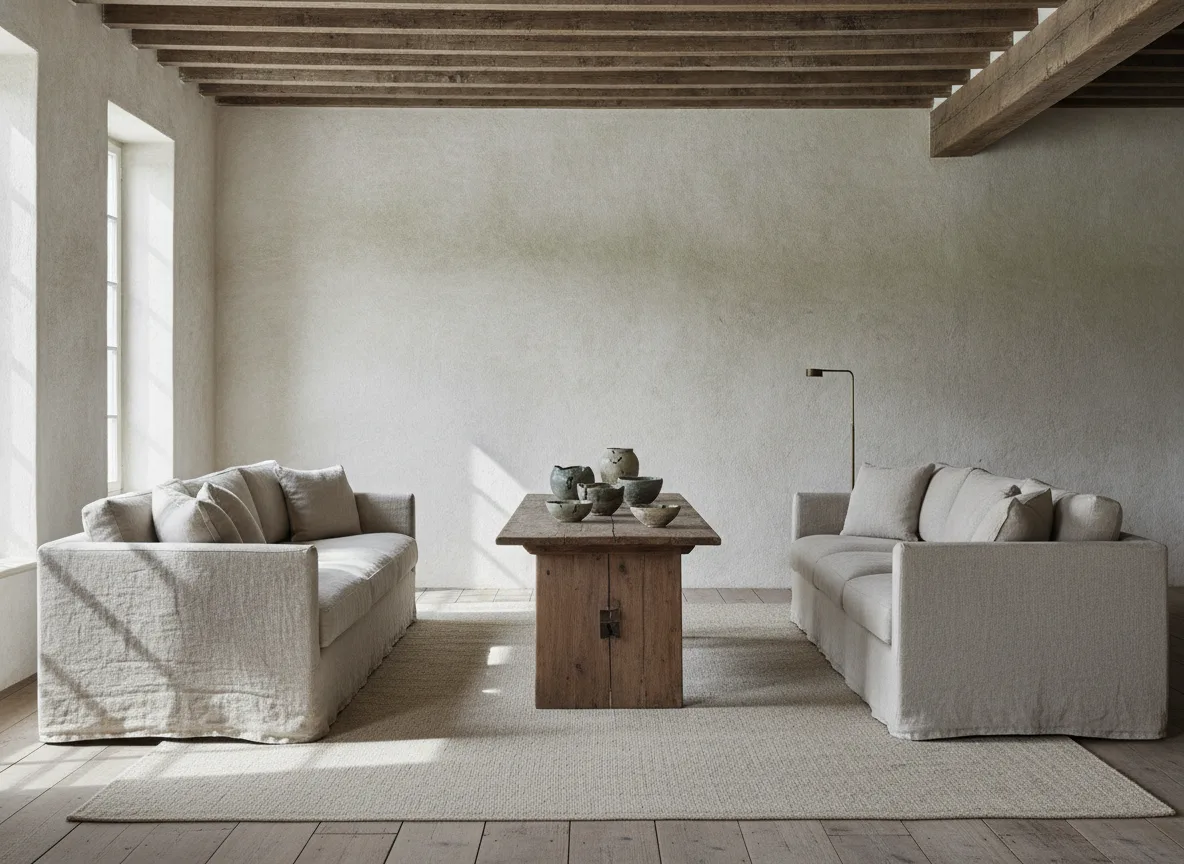
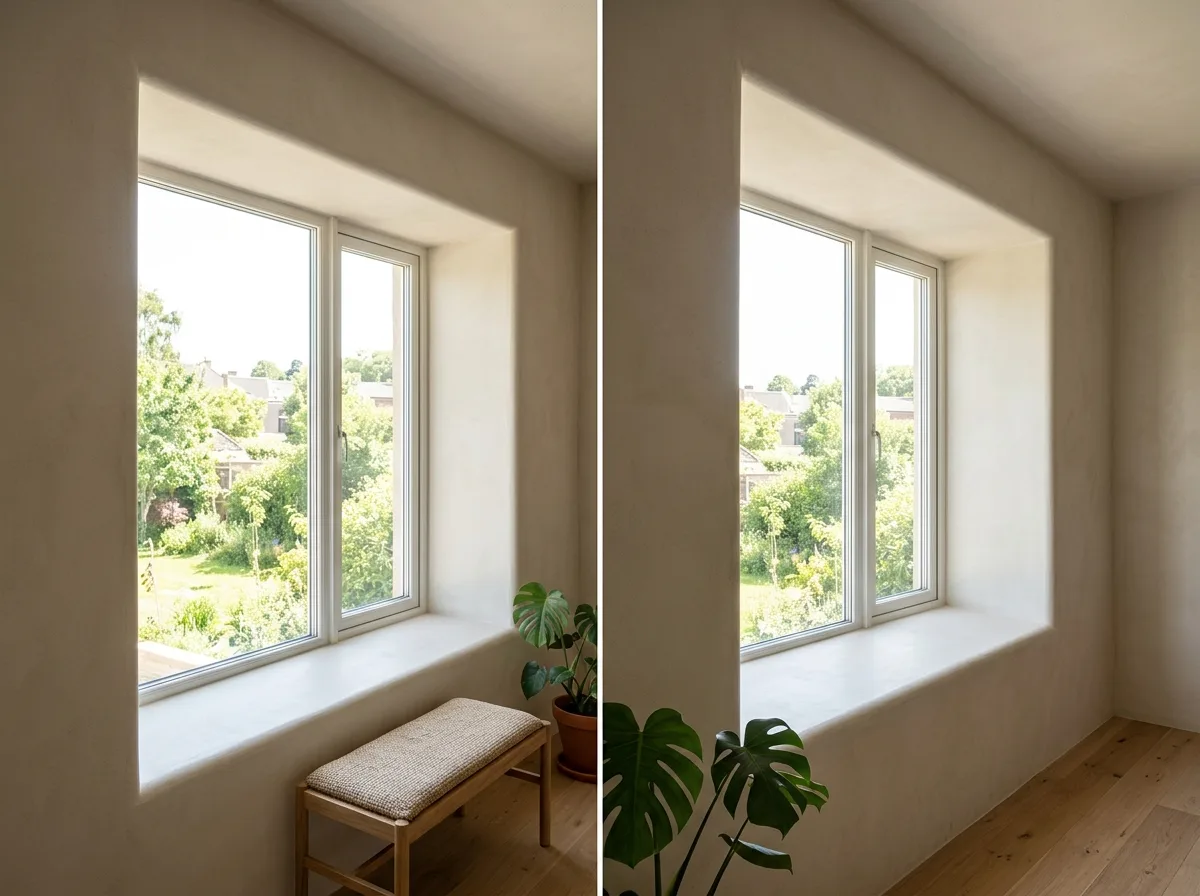
The treatment of a window opening. The window frame is deliberately set back to the outer side of the wall, leaving an approximately twenty-centimeter deep window reveal on the interior side. The four inner surfaces of the reveal are continuous with the wall, in the same color, and finished with small rounded corners, without any window casing trim. Because of this thickness, when viewed from the interior, there is a gradually over-bright transition zone between the bright window and the darker wall, rather than an abrupt bright rectangle pasted onto a dark wall. This transition significantly reduces contrast, preventing the eyes from being dazzled by the window. The windowsill is a single, wide, and deep piece of the same material. Avoid: placing the window frame on the inner side of the wall, losing the depth of the reveal; adding window casing trim and finishing lines; creating a distinct border between the window and the wall; using dark window frames.
Translated from Chinese by AI.
Show the original prompt
一扇窗的洞口處理。窗框刻意退到牆體的外側,因此室內側留出約二十公分深的窗洞;洞的四個內側面與牆面連續、同色、以小圓角收邊,沒有窗套線板。因為有這段厚度,從室內看出去時,明亮的窗與較暗的牆之間有一個逐漸過亮的過渡帶,而不是一個突兀的亮矩形貼在暗牆上。這道過渡讓對比大幅降低,眼睛不會被窗刺到。窗台是同材質的一整條,寬而深。避免:把窗框做在牆的內側失去洞口的深度、加入窗套線板與收邊、讓窗與牆之間出現明確的邊線、使用深色的窗框。