Text-to-Image
Interior Design
通用
The Boundary of Imitation Materials: Looks Good from Afar, Not Up Close
Prompt
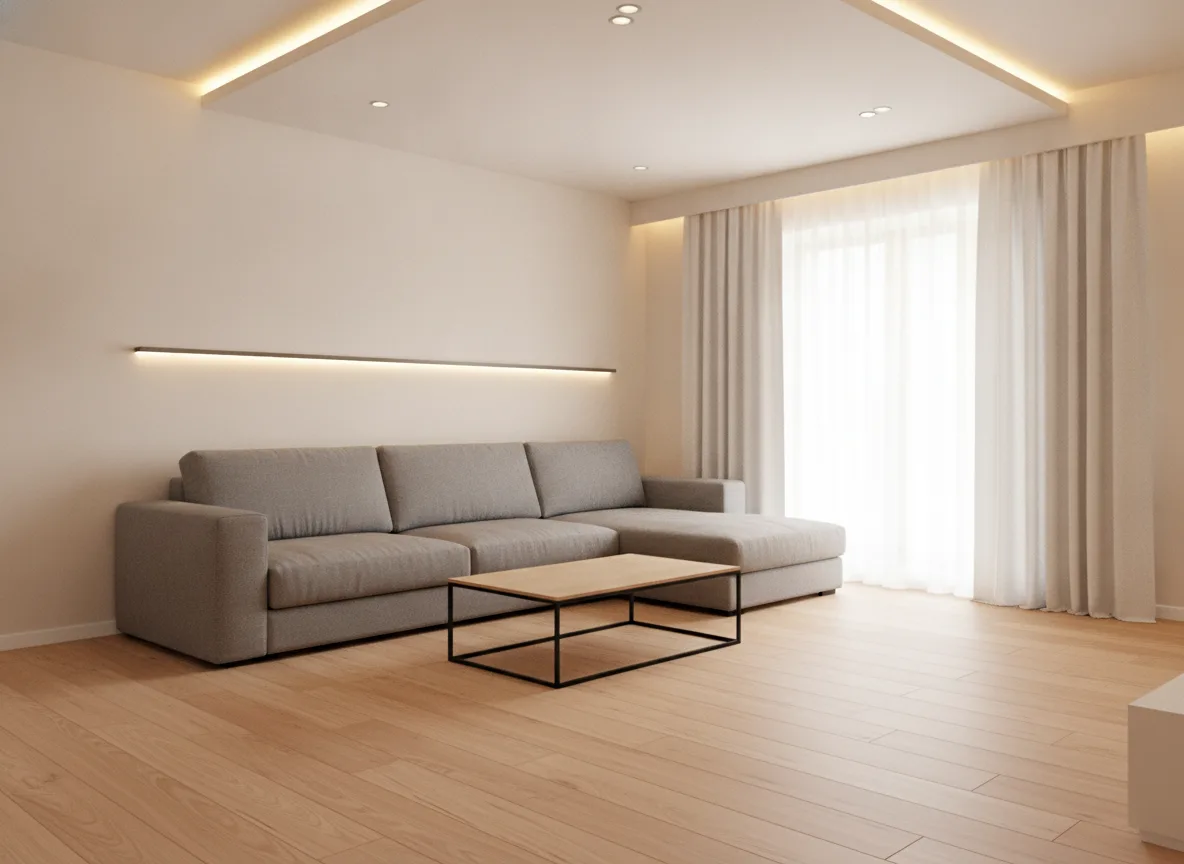
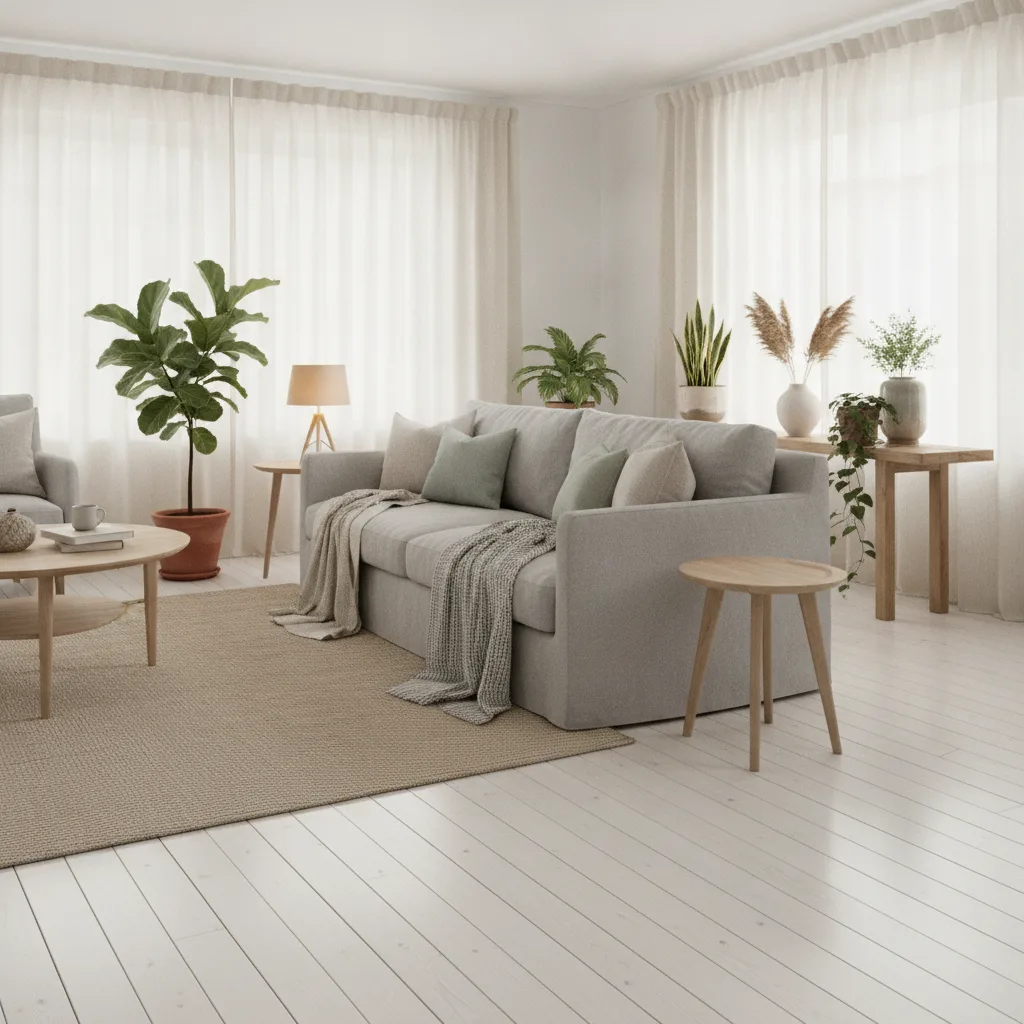
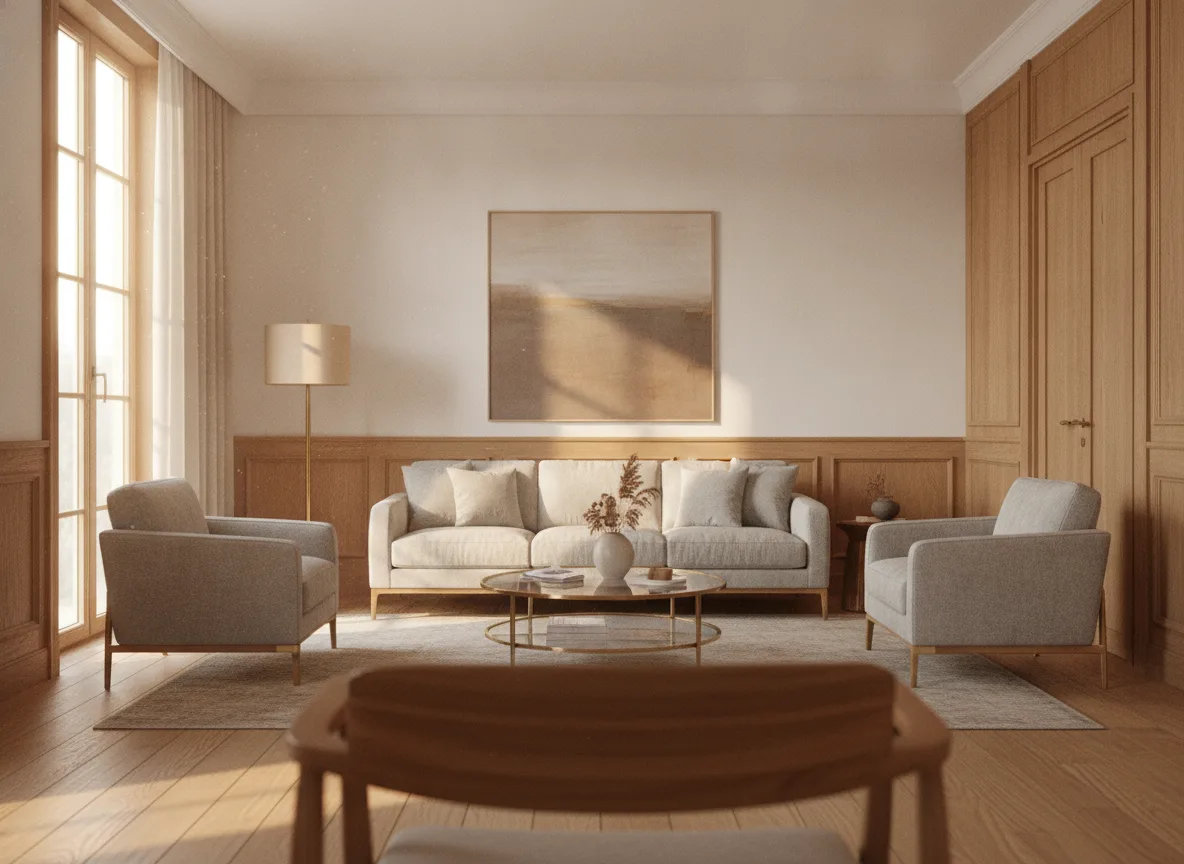
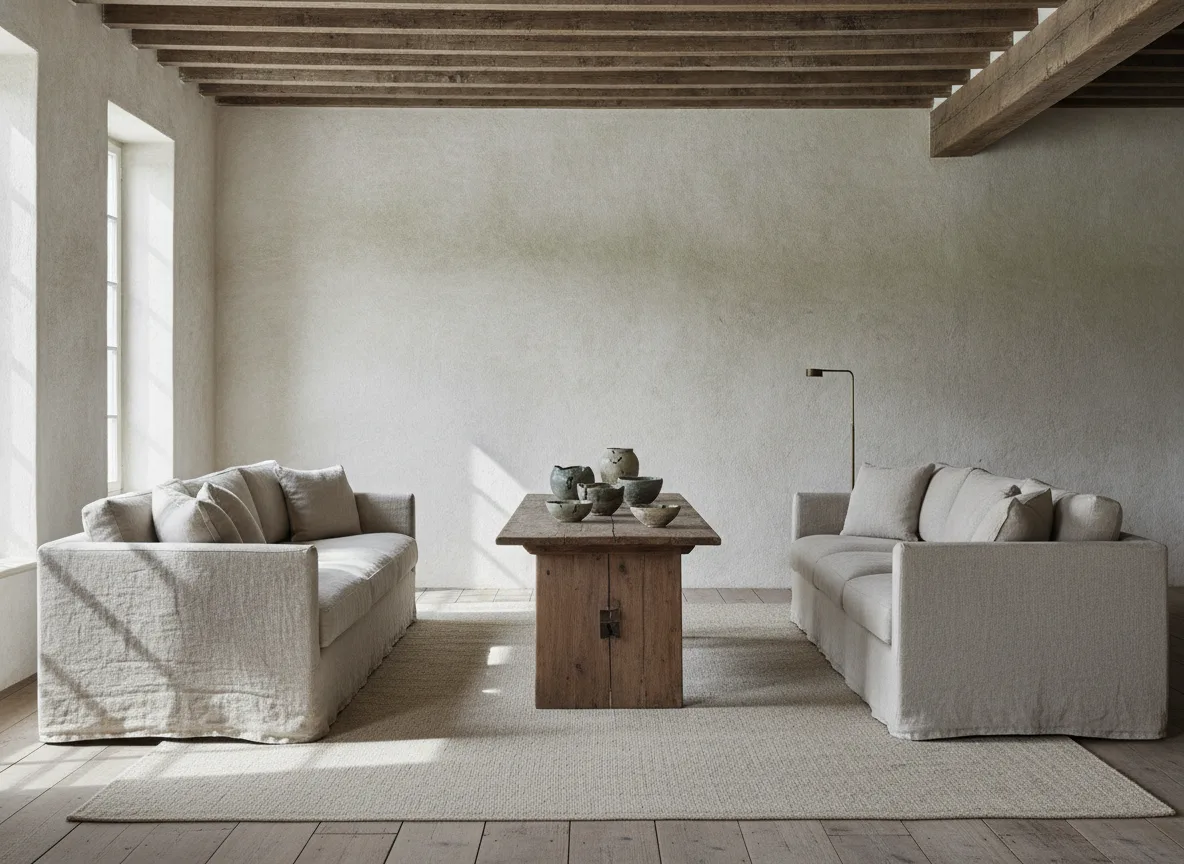
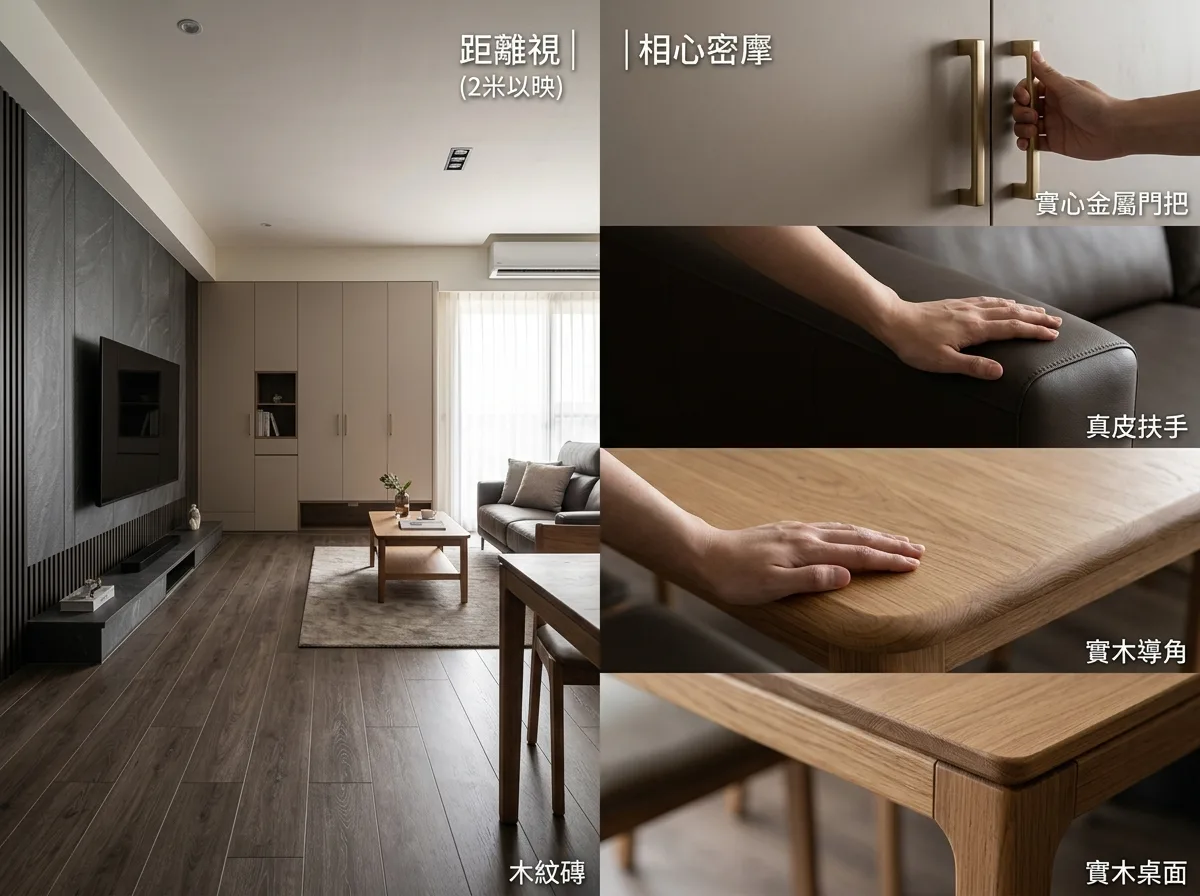
A space where real and imitation materials are allocated according to viewing distance. Large areas viewed from a distance use alternative materials: the TV feature wall is rock slab instead of a solid marble slab, the floor is wood-grain tile instead of solid wood, and cabinets are skin-feel board instead of solid wood veneer—these differences are indistinguishable from two meters away. Real materials are used only in areas that are viewed up close and touched: door handles are solid metal, countertop edges have solid wood chamfers, sofa armrests are genuine leather, and tabletops are solid wood. Thus, when a person approaches, they touch real materials, and when viewed from a distance, the overall appearance is complete. The image simultaneously presents both a distant view and close-up details. Avoid: using imitation materials in areas that will be touched by hand, forcing real materials in large distant areas and exceeding the budget, making the colors of real and imitation materials noticeably mismatched, making all materials imitation.
Translated from Chinese by AI.
Show the original prompt
一個依照觀看距離分配真假材料的空間。遠看的大面積用替代材料:電視主牆是岩板而非整塊大理石、地板是木紋磚而非實木、櫃體是膚感板而非實木皮——這些在兩公尺外看不出差別。近看與觸摸的地方才用真材料:門把是實心金屬、檯面的邊緣是實木導角、沙發的扶手是真皮、桌面是實木。因此人走近時摸到的是真的,遠看時看到的是完整的。畫面同時呈現遠景與近景細部。避免:在手會接觸的位置使用仿材料、在遠看的大面積硬用真材料撐爆預算、讓真假材料的顏色明顯不搭、把所有材料都做成仿的。