Text-to-Image
Interior Design
通用
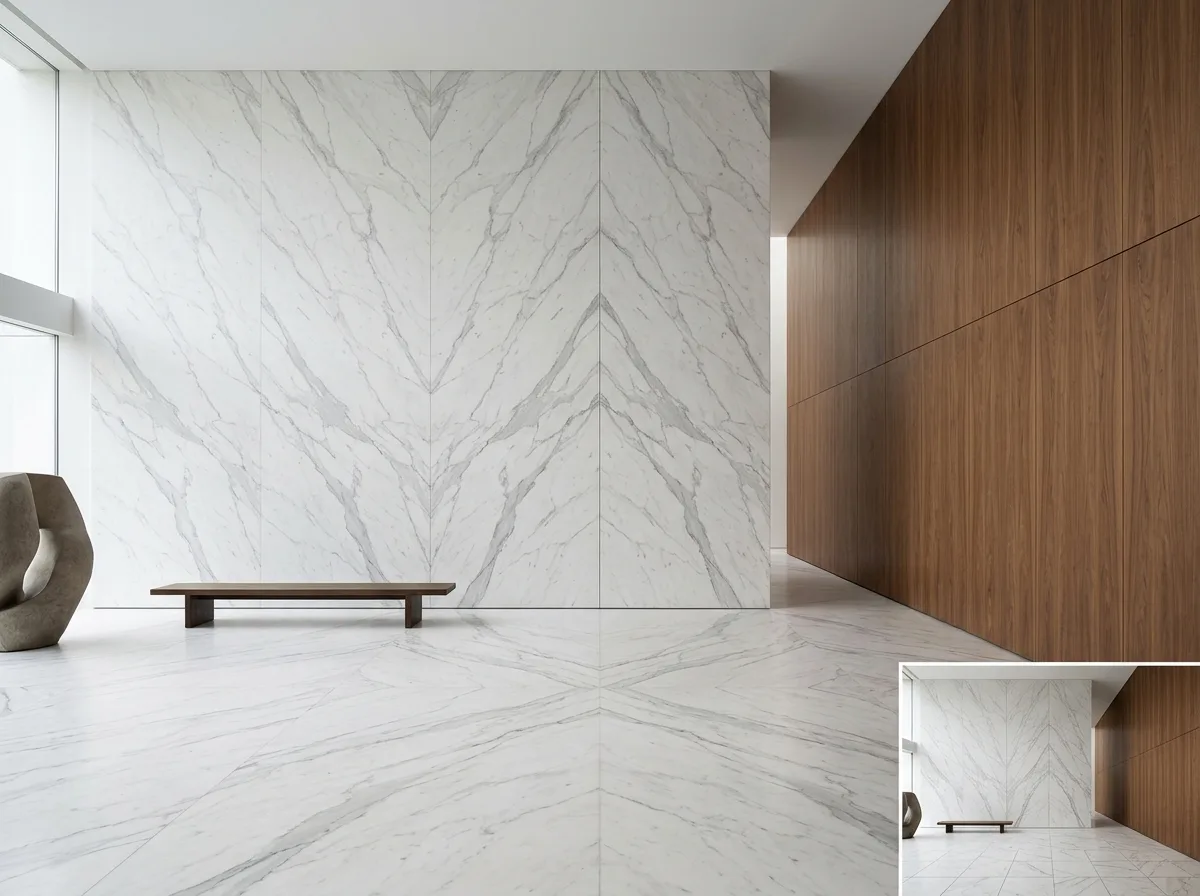
Large material surfaces: one piece from end to end, undivided
Prompt
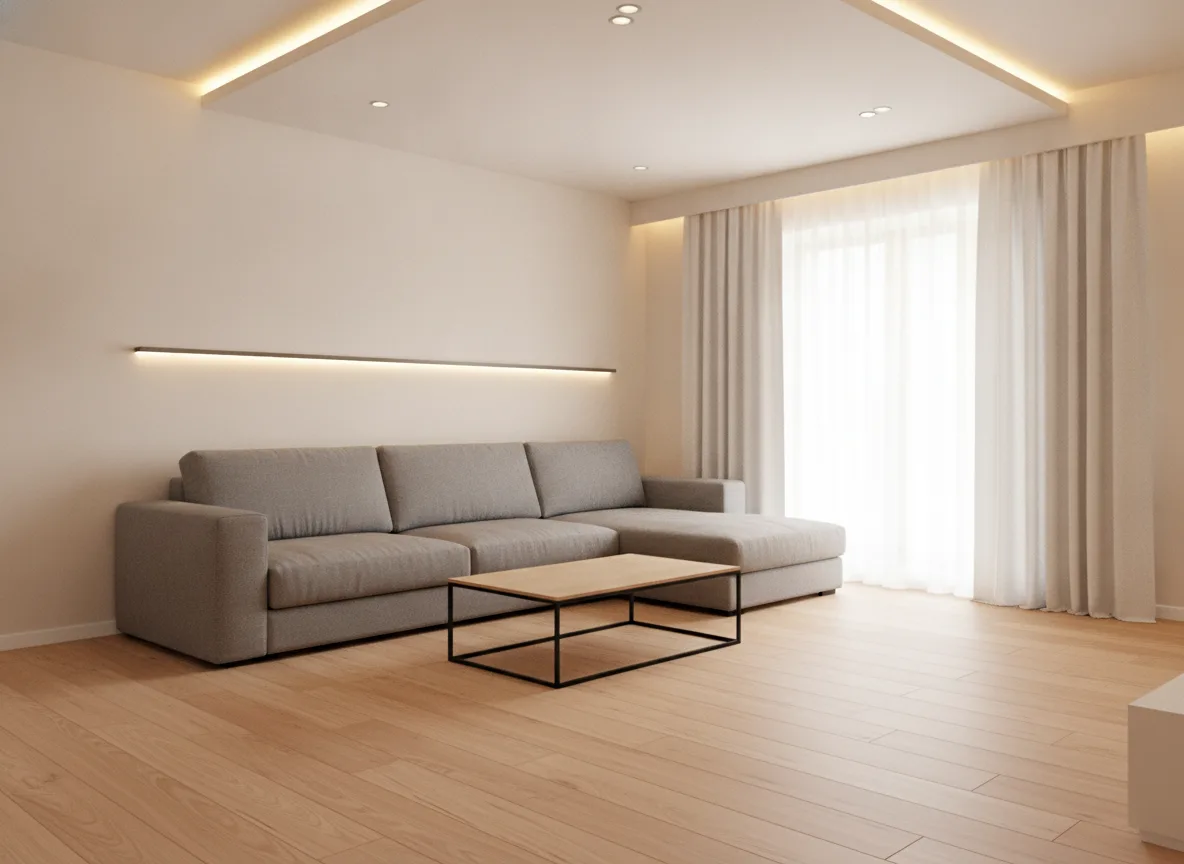
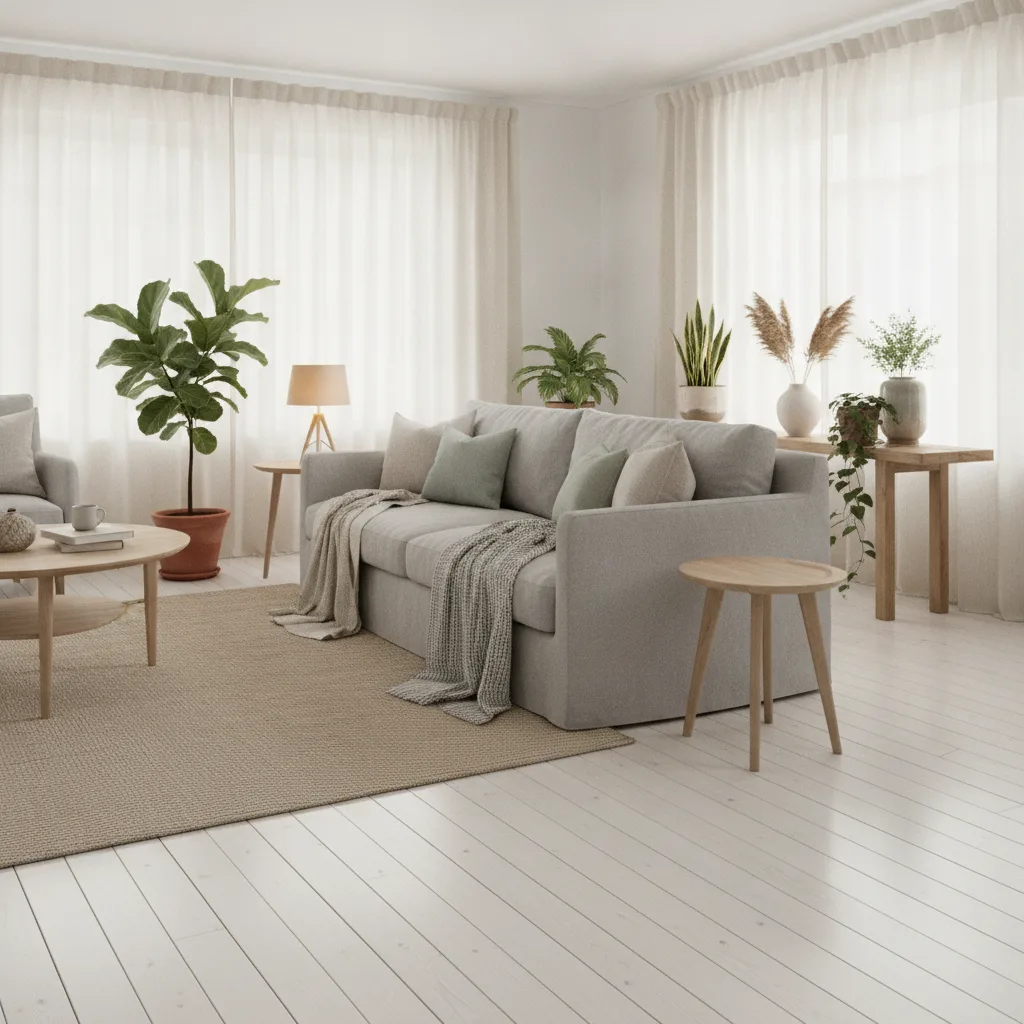
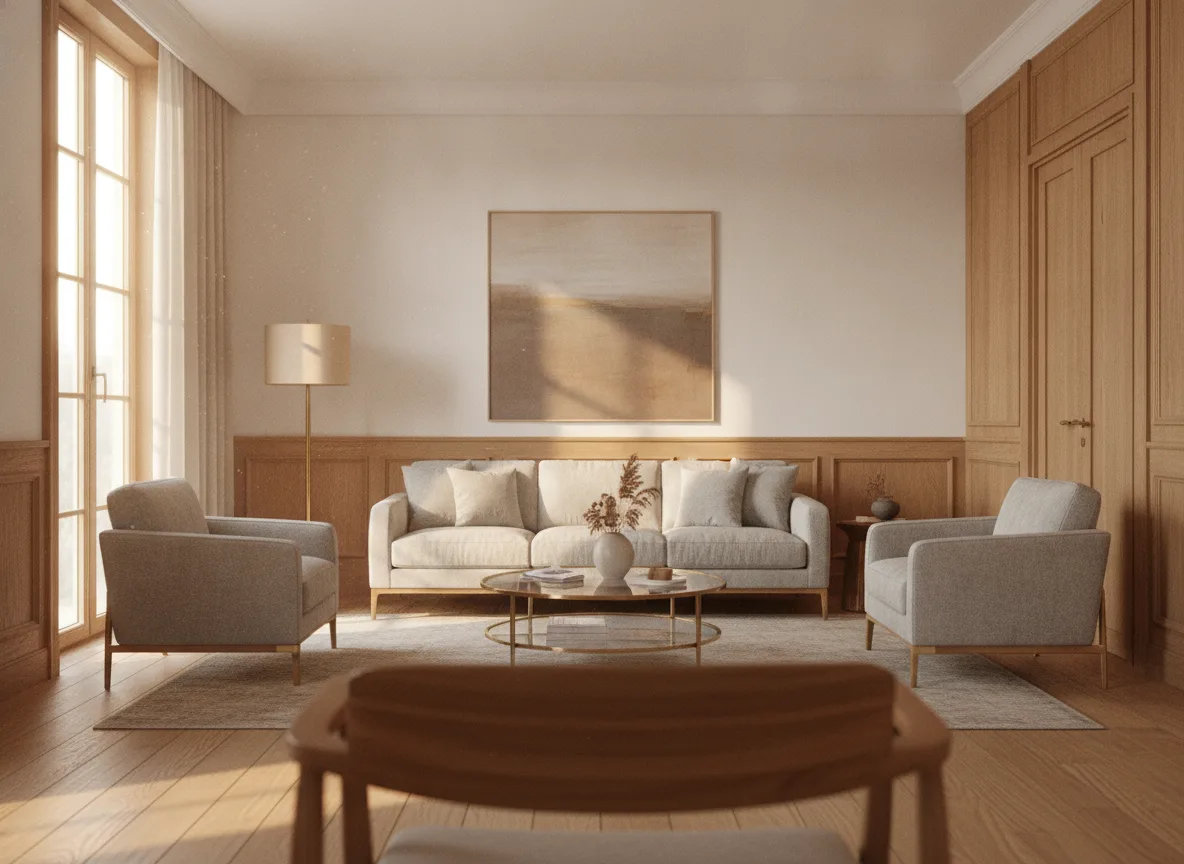
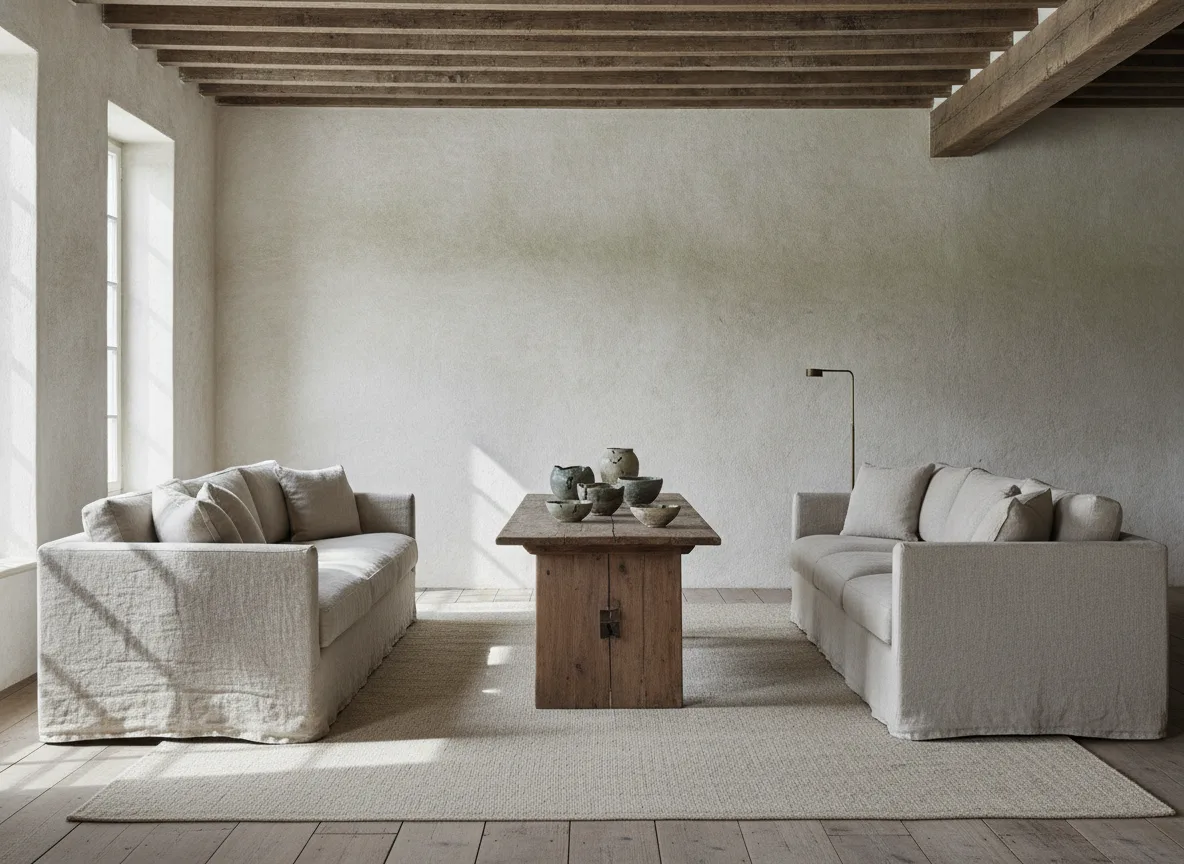
A space composed of extra-large sized materials. The main wall consists of three five-meter-high large stone slabs, book-matched, with veins precisely aligned at the seams, resulting in only two hair-thin seams across the entire wall; the flooring is made of the same large stone slabs, extending continuously without any dividing strips; the wooden wall is a continuous, book-matched veneer, with seam lines positioned to align with the wood grain rather than regular equal divisions. Because the material units are large enough and the seams are few enough, the eye has no measurable reference points, which magnifies the sense of scale in the space and makes it appear unified rather than fragmented. A corner of the image shows a comparison with the same space using small-sized materials; the dense seams immediately make the space appear smaller and fragmented. Avoid: making the two versions similar, using small-sized tiles and mosaics, adding dividing strips and trim, misaligning the book-matched veins.
Translated from Chinese by AI.
Show the original prompt
一個以超大尺寸材料構成的空間。主牆是三片高達五米的石材大板,書本式對花,脈絡在接縫處精確接續,整面牆只有兩道細如髮絲的縫;地坪是同一種石材的大板,一路延伸沒有分割條;木作牆是連續對花的整面木皮,分割線的位置配合木紋而不是規律等分。因為材料的單元夠大、接縫夠少,眼睛沒有可以測量的參考點,空間的尺度感被放大,而且顯得整體而不瑣碎。畫面一角以小尺寸材料的相同空間作對照,密集的接縫立刻讓空間變小變碎。避免:讓兩者相似、使用小尺寸的磁磚與拼花、加入分割條與收邊、讓對花的脈絡錯開。