Text-to-Image
Interior Design
通用
Wood in Healthcare Spaces: Between Warmth and Cleanliness
Prompt
Wood in Medical Spaces: Between Warmth and Cleanability
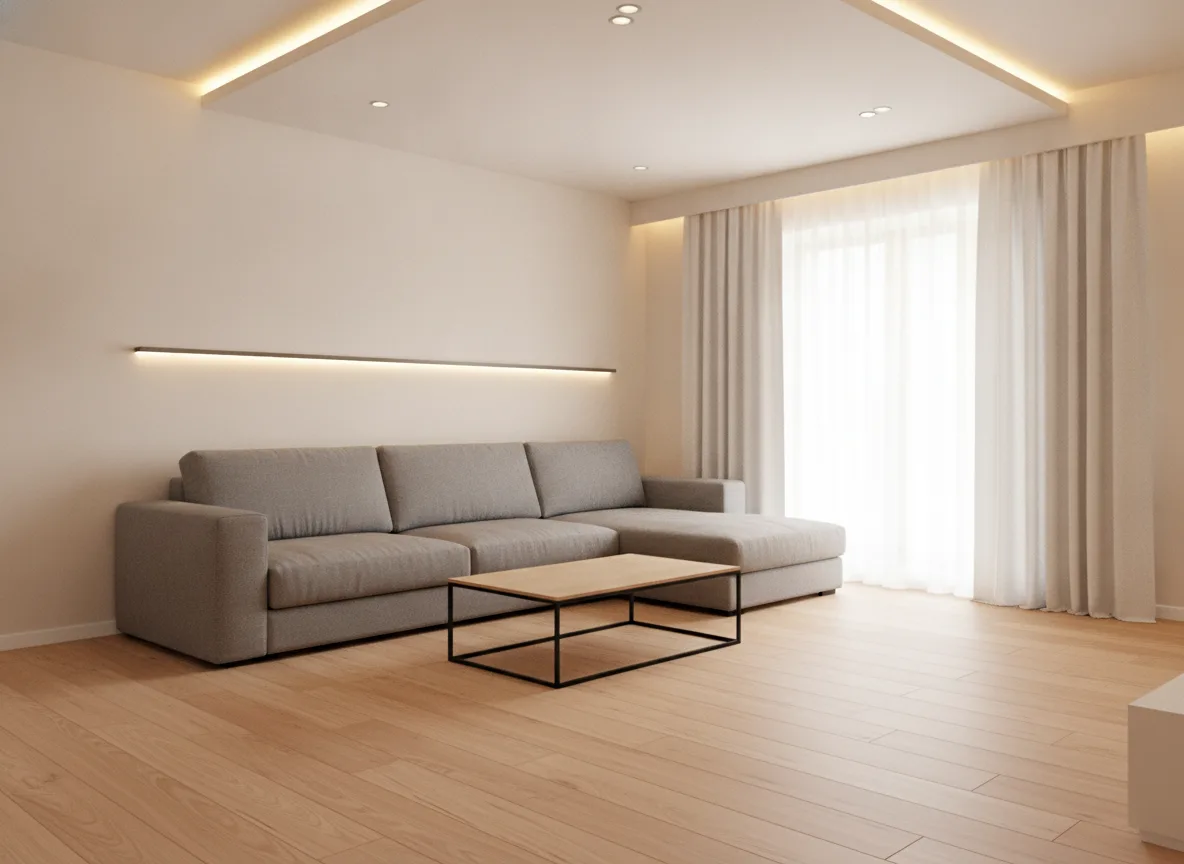
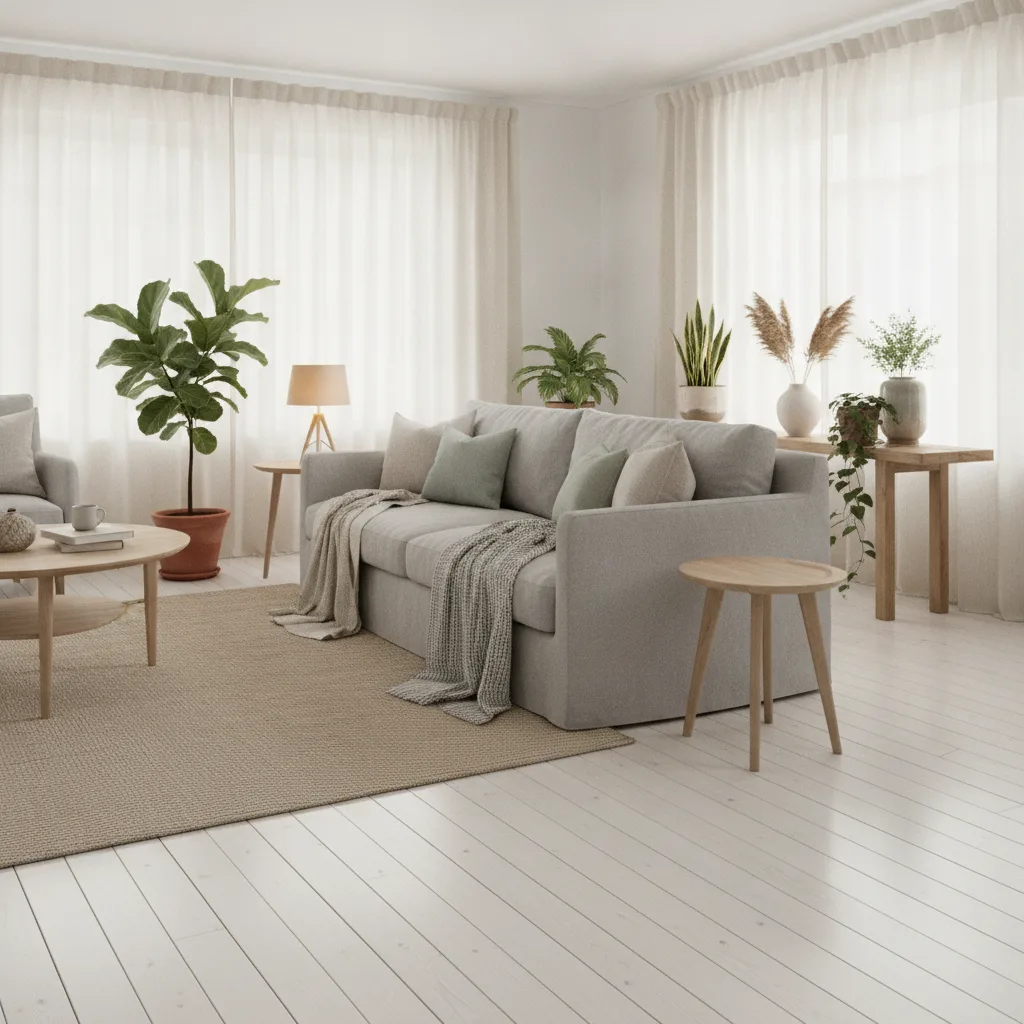
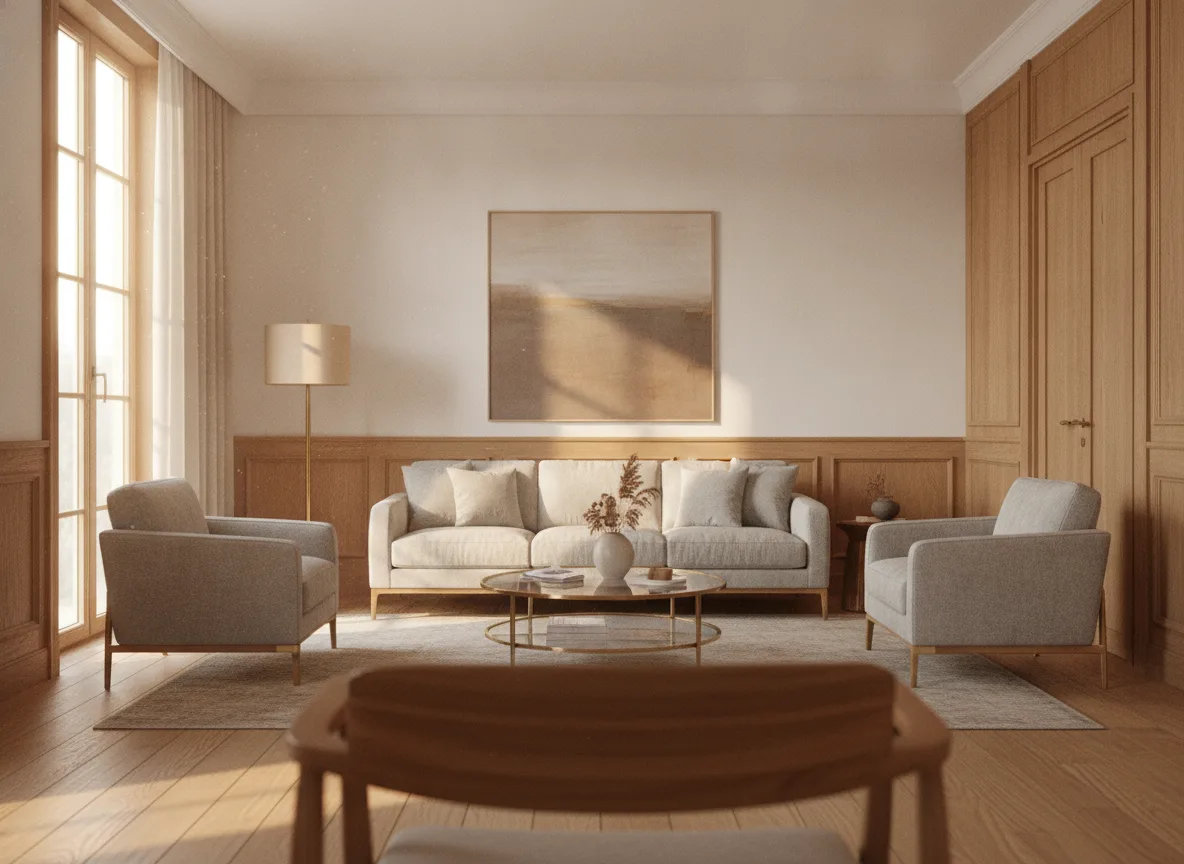
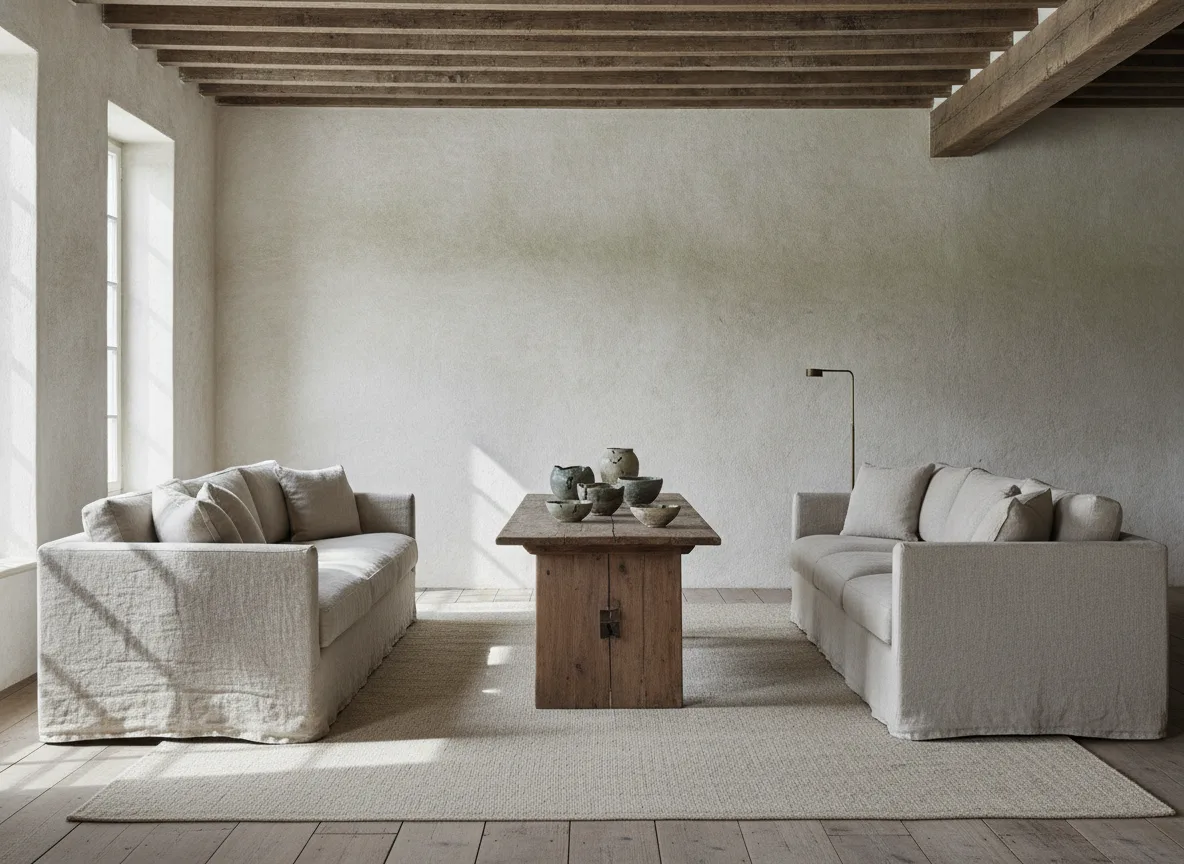
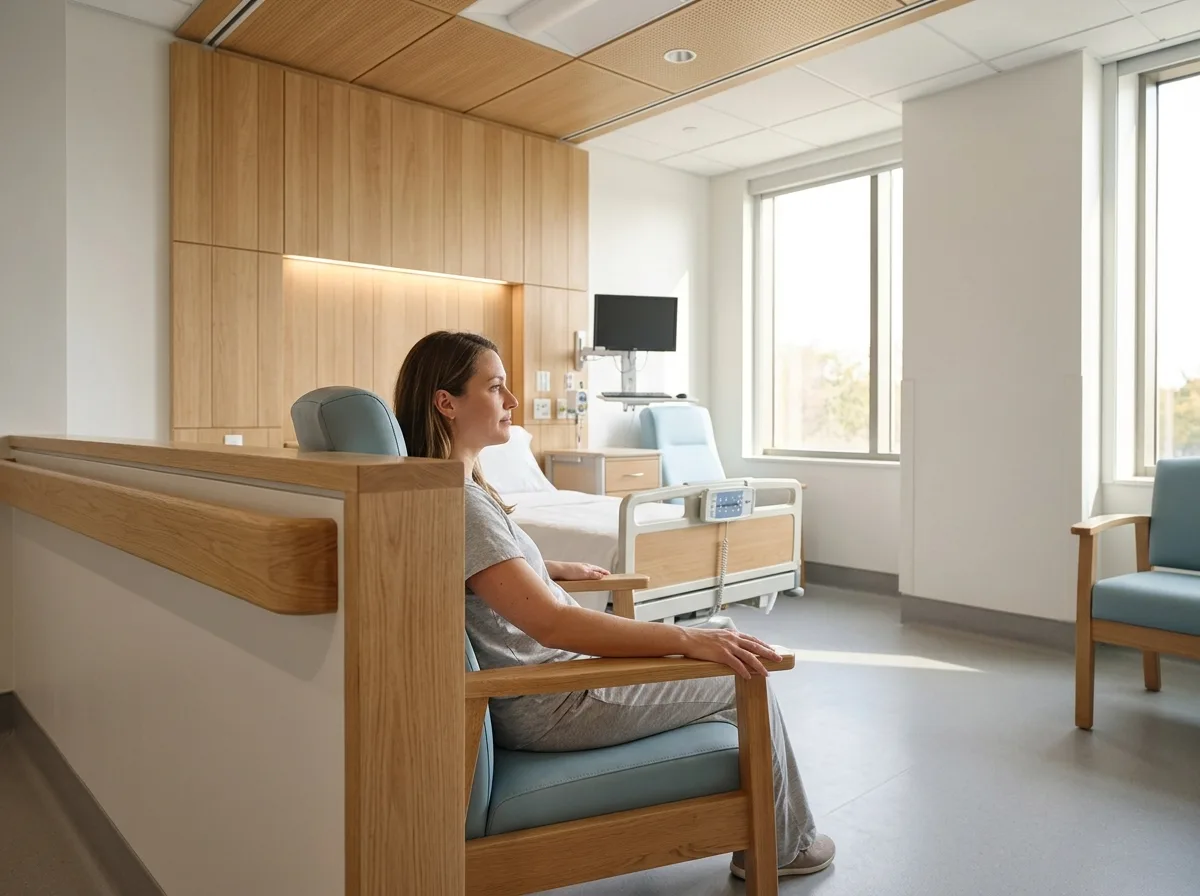
The value of wood in medical spaces is not just aesthetic: it lowers heart rate, changes the quality of sound, and makes the space feel less institutional. The key to its use is placement—use wood where people will touch and gaze for extended periods (handrails, headwalls, ceilings, furniture), reserving easy-to-clean hard materials for flooring and countertops. For surface treatment, choose a wipeable finish that retains texture, not glossy polyurethane. Wood color should be light and uniform, avoiding mixing too many types. When paired with white walls and light-colored flooring, a small amount of wood is enough to change the character of the entire space. Daytime shot under natural light, with the wood grain and touch points clearly visible. Avoid: Entire room fully covered in wood, using glossy finishes, mixing many types of wood colors, using wood in areas most requiring cleaning.
Translated from Chinese by AI.
Show the original prompt
木材在醫療空間裡的價值不只是好看:它降低人的心跳、改變聲音的質地、也讓空間看起來不像機構。用法的關鍵在於位置——把木用在人會觸摸與長時間注視的地方(扶手、床頭牆、天花、家具),把好清潔的硬質材留給地坪與檯面。表面處理選擇可擦拭但保留紋理的塗裝,不是亮面聚氨酯。木色偏淺且統一,避免過多種類混用。與白牆、淺色地坪搭配時,少量的木就足夠改變整個空間的性格。日間自然光下拍攝,木的紋理與觸摸的位置清楚。避免:整室滿鋪木材、使用亮面塗裝、木色種類雜多、把木用在最需要清潔的位置。