Text-to-Image
Interior Design
通用
Connection to Materials and Nature: Tangibly Real
Prompt
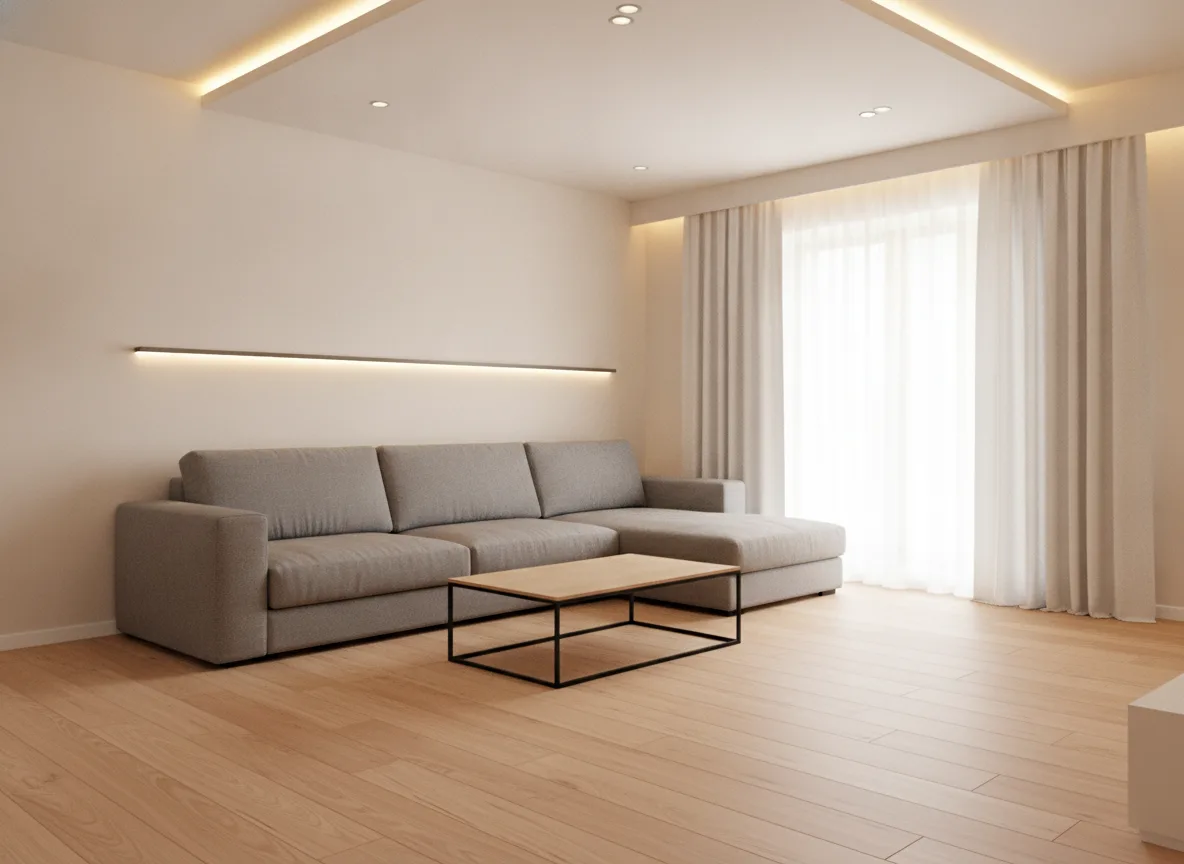
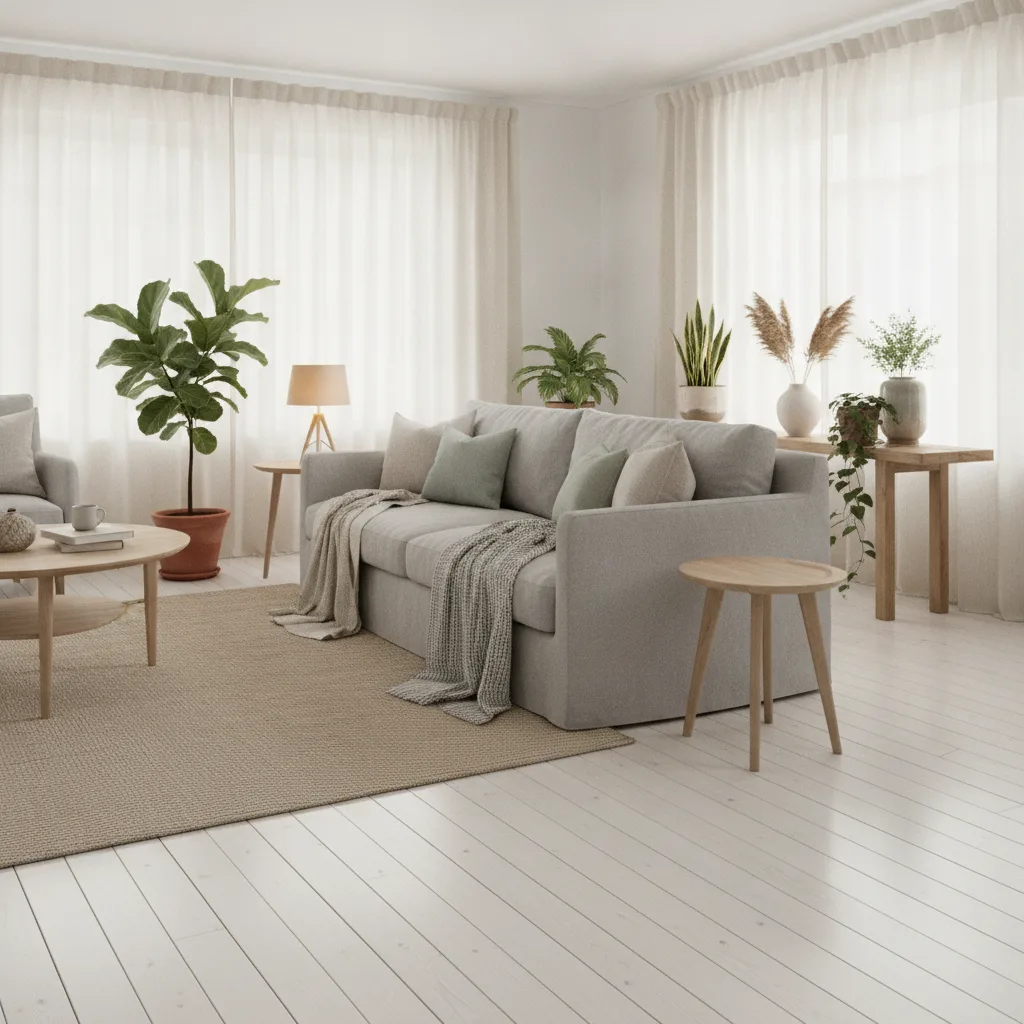
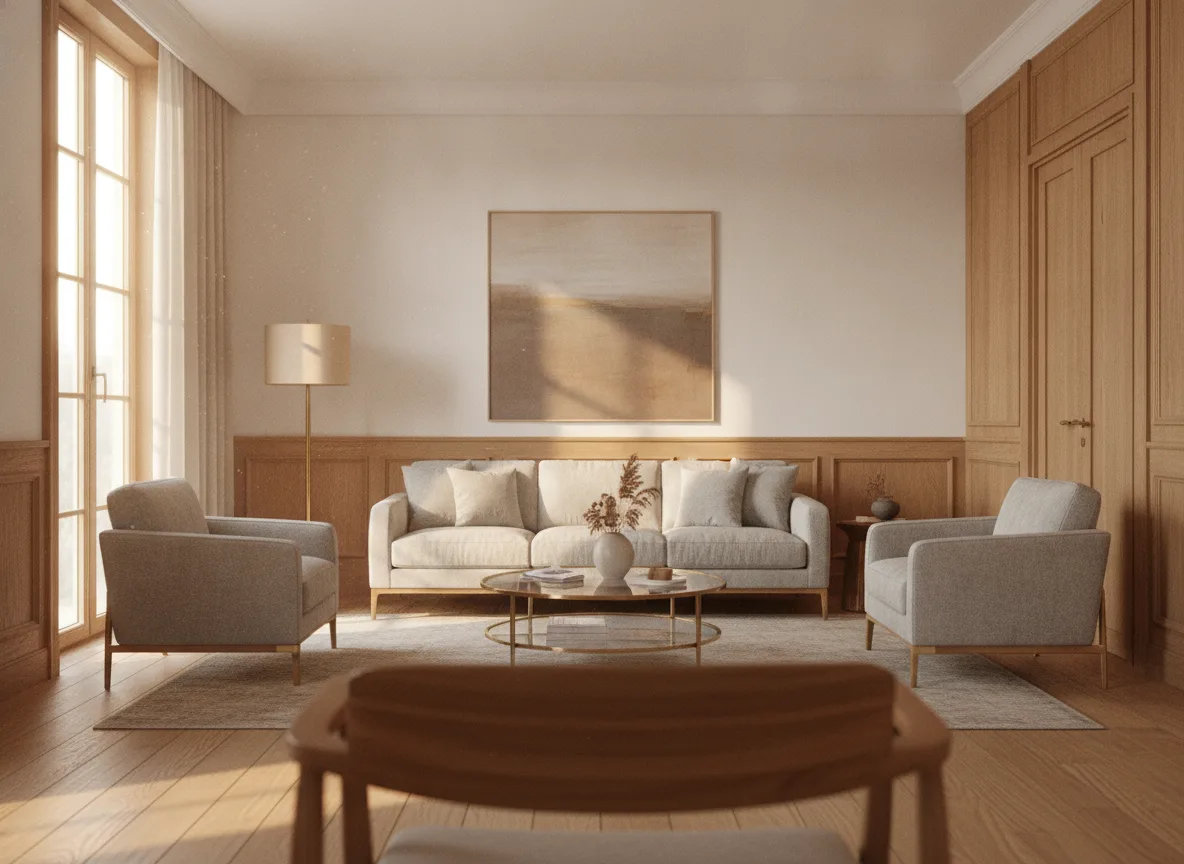
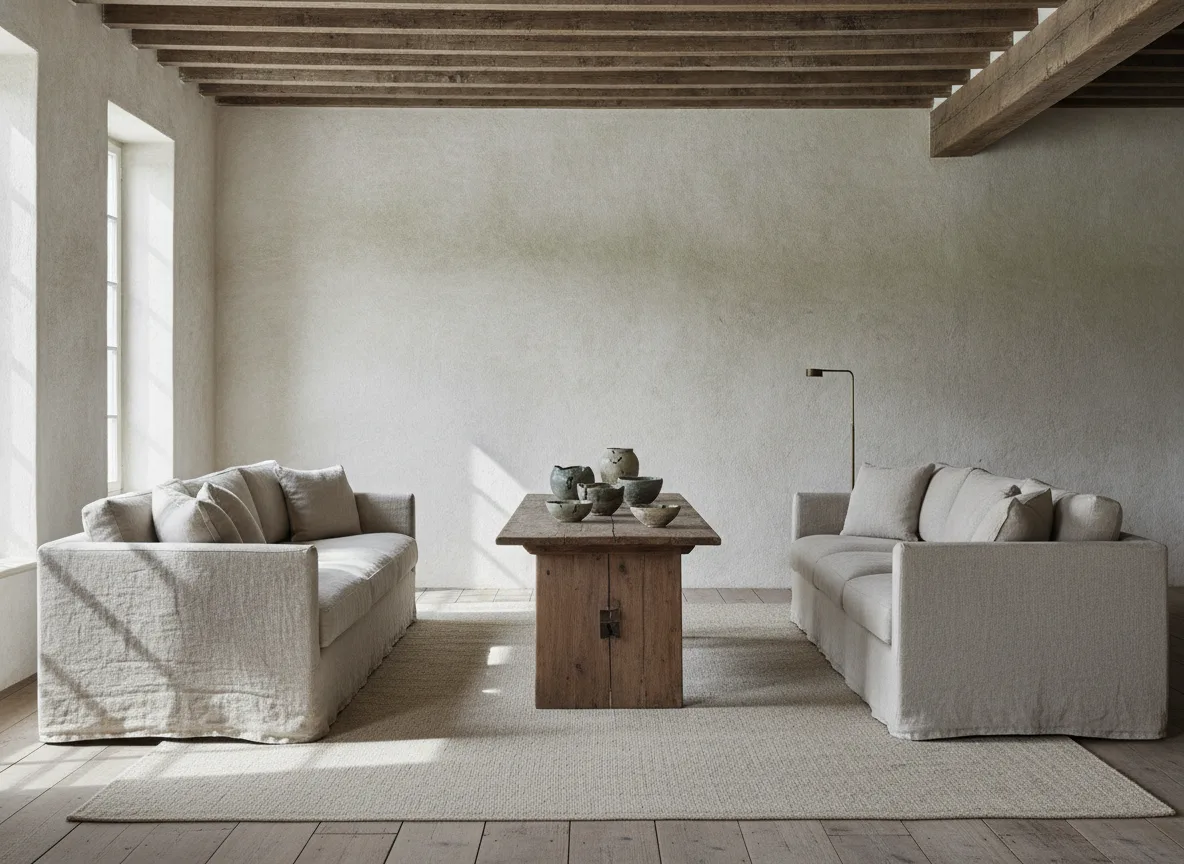
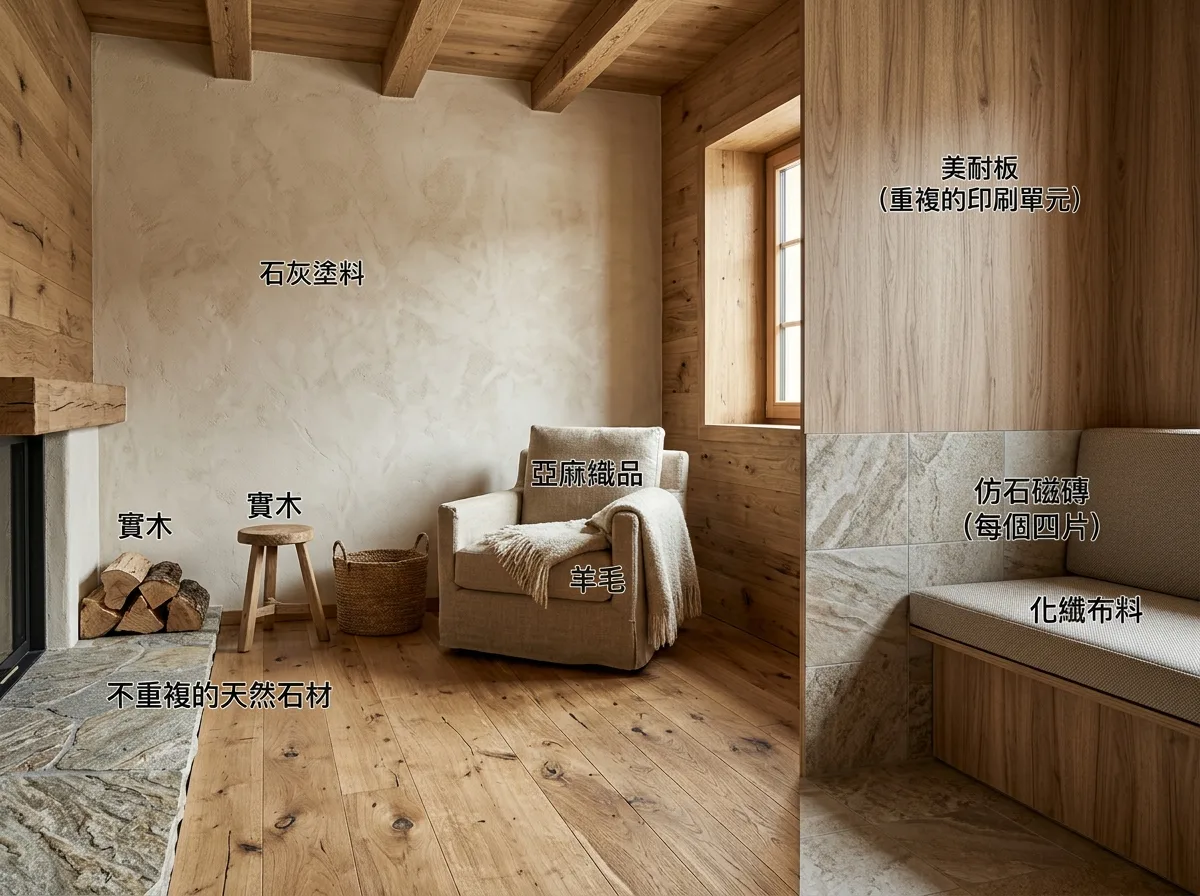
A space entirely made of real natural materials. The wood is solid wood, not printed wood grain veneer, showing non-repeating textures, knots, and color variations; the stone is natural stone, not imitation stone tiles, with unique veins in each piece; the textiles are wool, linen, and cotton, not synthetic fibers; the walls are lime plaster, not plastic-textured latex paint. In one corner of the image, a comparison is made with artificial materials of similar appearance: the wood-grain laminate shows repeating print units, the imitation stone tiles repeat every four pieces, and the synthetic fabric has a uniform, unchanging weave. The colors of both are similar, but the non-repetitive nature of the real materials keeps the eyes engaged. Avoid: making the two similar, showing repeating textures on the natural material side, using high-saturation dyes, changing the colors and arrangement on both sides.
Translated from Chinese by AI.
Show the original prompt
一個全部使用真實天然材料的空間。木材是實木而不是印刷木紋的貼皮,可以看見不重複的紋理、節疤與色差;石材是天然石而不是仿石磁磚,每一片的脈絡都不同;織品是羊毛、亞麻與棉而不是化纖;牆面是石灰塗料而不是塑膠質感的乳膠漆。畫面的一角以外觀相似的人造材料作對照:仿木紋的美耐板可以看見重複的印刷單元、仿石磁磚每四片就重複一次、化纖布料的織紋均勻無變化。兩者的顏色接近,但真材料的不重複性讓眼睛持續有東西可看。避免:讓兩者相似、在天然材料側出現重複的紋理、使用高彩度的染色、改變兩側的顏色與配置。