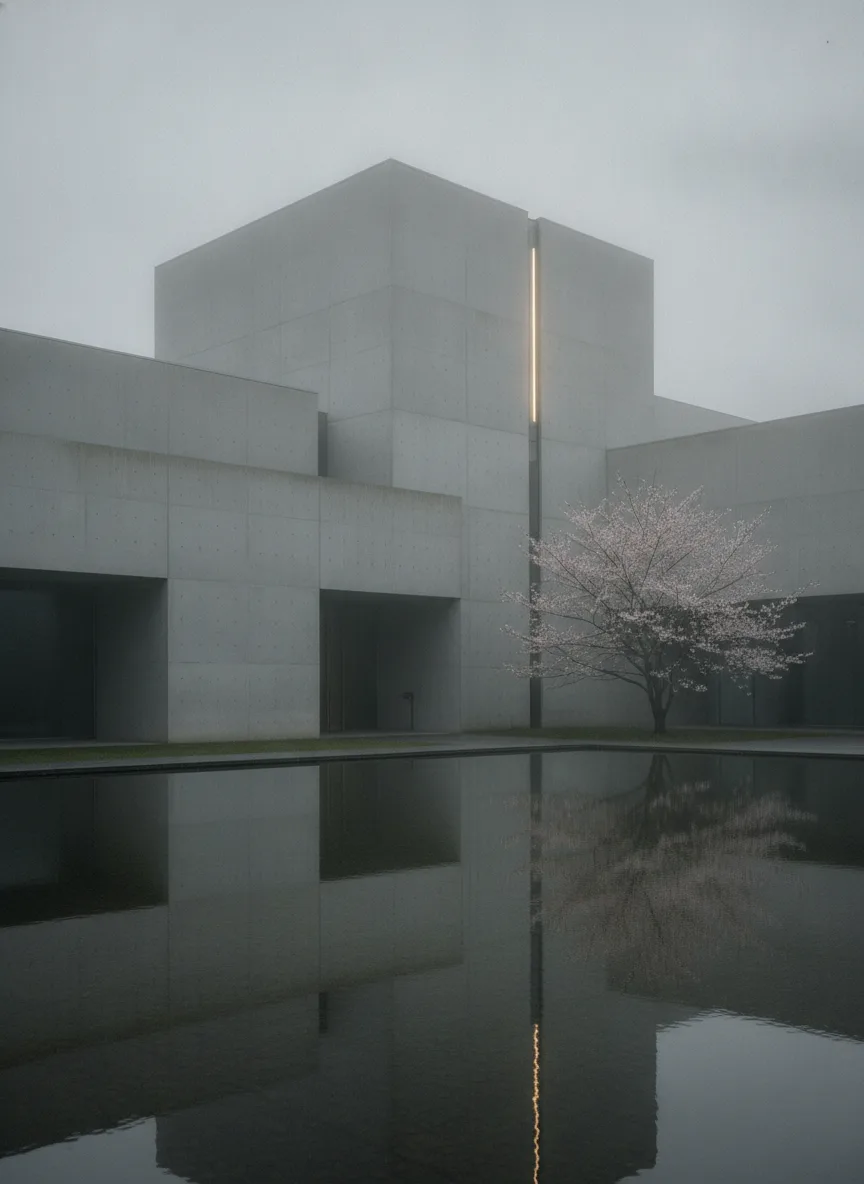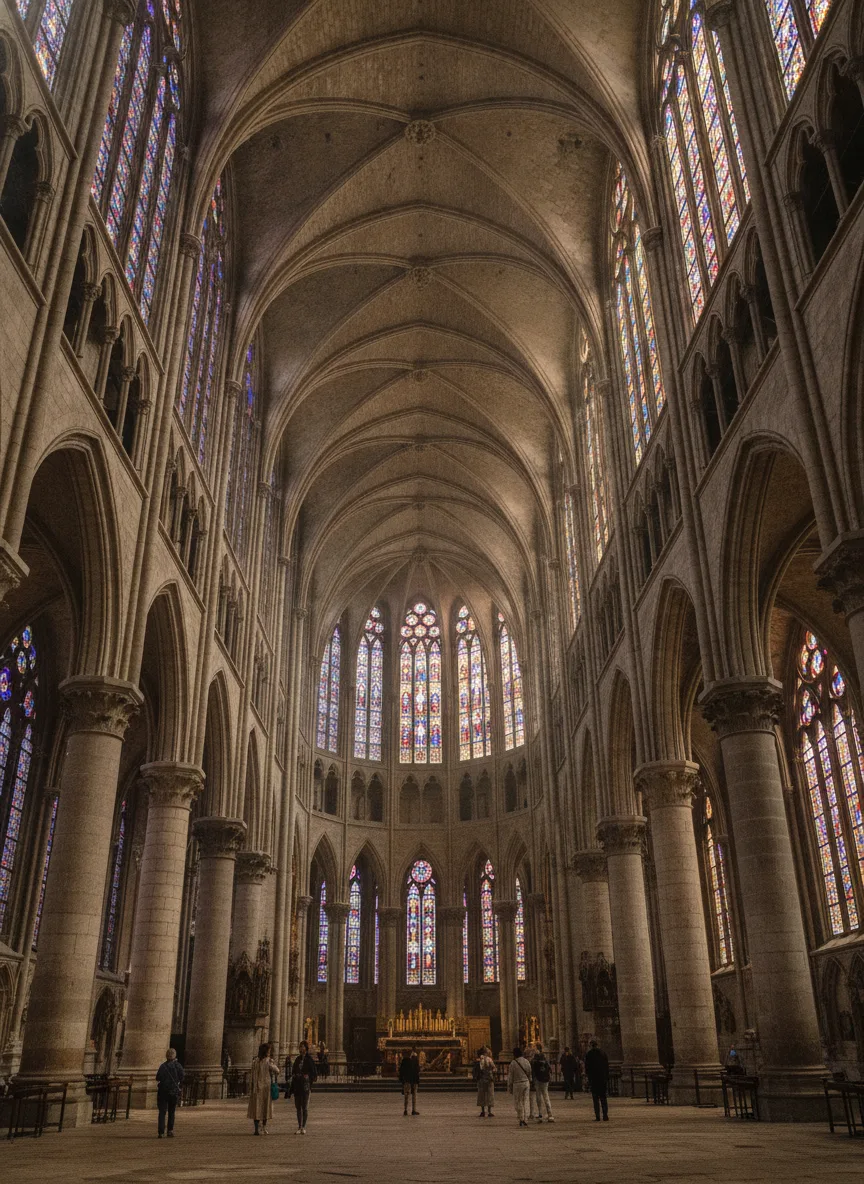
Text-to-Image
Architecture
ChatGPT
Travel Photo Design Posters
Prompt
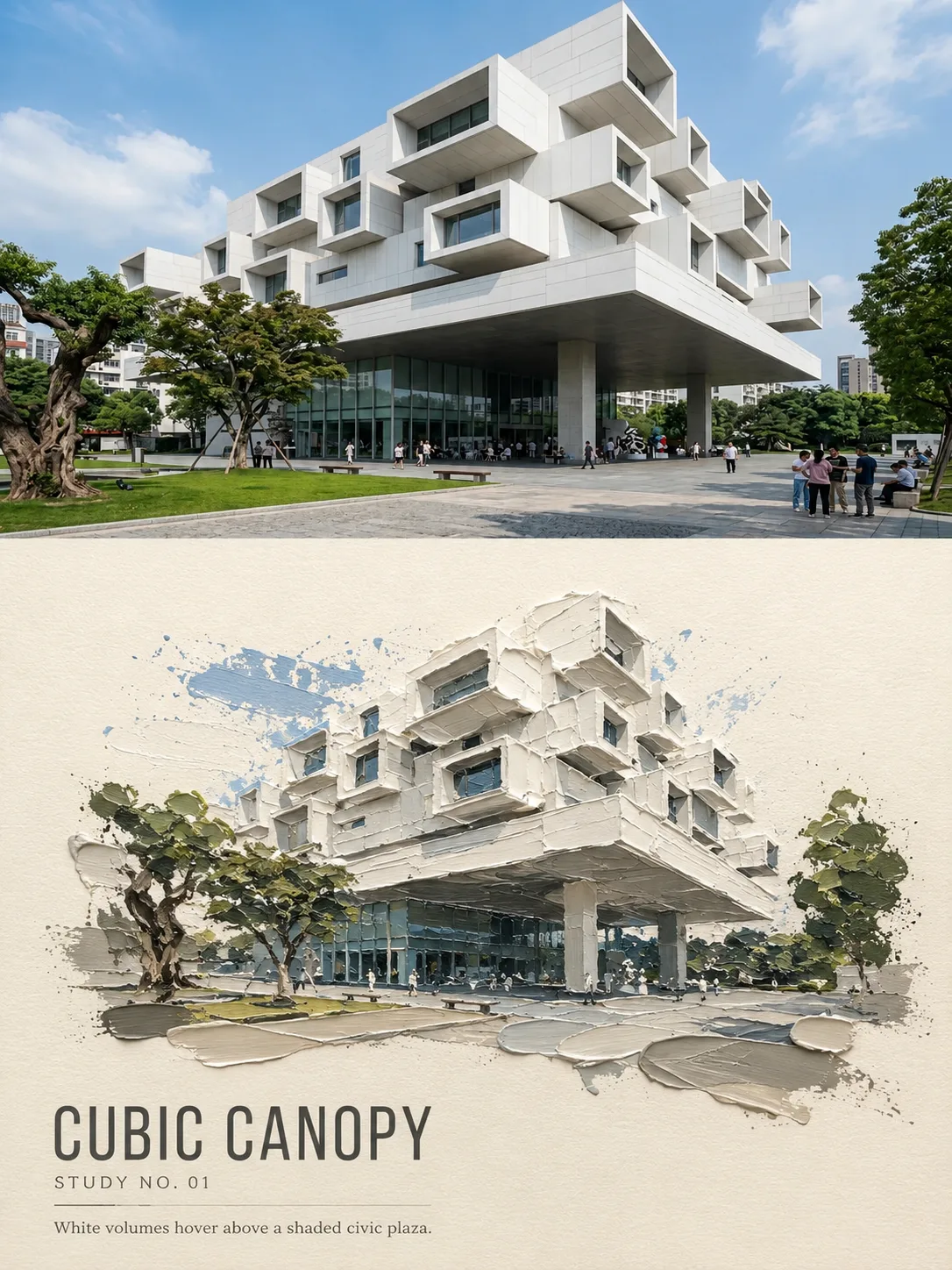
Please create a high-end design poster for each travel photo I upload, without using multi-image collages—each photo should be output individually.

The overall composition should be a 3:4 vertical format, consisting of two clearly separated areas: one from the real photo, and one from a stylized re-rendering. The real photo occupies approximately 40%–50% of the entire image, with the re-rendered area occupying the other main portion. The two are separated by a straight, clear horizontal boundary, without gradient or bleed effects. The proportions can be adjusted appropriately based on the subject, rather than being mechanically equal, but the contrast of the original image must remain clearly visible.

The photo area faithfully retains the subject's identity, quantity, architectural structure, topography, people or vehicles, perspective, spatial relationships, realistic textures, natural light and shadow, and original colors of the original photo. Only apply restrained color correction suitable for art publications or photography exhibitions, and add extremely subtle film grain. Do not distort, mirror, move, add, remove, or reshape the subject.

The re-rendered area uses a warm ivory natural paper background, retaining approximately 38%–55% of continuous paper space as negative space. Do not proportionally replicate the complete framing of the original photo; instead, extract the most recognizable subjects, architectural combinations, vehicles, or topographical relationships from the photo and reassemble them into a “thick impasto memory diorama” placed on the paper.

The subjects must be embedded in irregular, thick clumps of acrylic paint, as if growing from within the paint. The paint should have a visual thickness of approximately 5–15 mm, clearly showing palette knife ridges, rounded bluntness, deep grooves, scratches, raised thick edges, paint sidewalls, stacked cross-sections, tiny paint splatters, and localized differences between wet reflective sheen and dry matte texture. There should be short, clear, realistic contact shadows between the paint and the paper surface.

This is not paper layering, torn paper, paper pulp, plywood, embossed paper pieces, or ordinary miniatures. The thickness must come from the actual volume, sidewalls, and palette knife marks of real acrylic paint.

Actively choose the form of the paint islands based on the photo subject:

- Tall towers, churches, or architectural complexes can form vertically stacked paint mountains;
- Lakes, roads, coastlines, or vehicles can form low, horizontally extended paint islands;
- Single figures, boats, or small subjects can be scaled down and embedded in the smallest paint strokes.

Only retain the minimum necessary structure to maintain the identity and narrative of the location. Architectural edges should gradually merge into pure palette knife color blocks, paint splatters, and exposed paper, rather than forming a rectangular landscape painting. The color palette is entirely extracted from the photo, compressed into 1–3 dominant colors, one dark tone, and small areas of accent color.

By default, include a set of clearly readable editorial text:

- A 1–3 English word location or subject title;
- An archive field similar to “STUDY NO. 01”;
- A 5–12 English word original observation sentence.

The text content must originate from elements actually visible in the photo, such as location, subject, weather, action, or spatial feeling. The main title must be clearly readable at normal preview size, not reduced to thin gray lines. The title can appear as if pressed into the edge of the paint by a palette knife; auxiliary text is placed in the exposed paper area, using a narrow humanist sans-serif or gentle serif font, with slight dry brush gaps.

The overall presentation should convey a serene, restrained, poetic quality, with the authentic heft of handmade art and the feel of collectible publication quality.

Avoid: paper layering, torn paper, paper pulp, plasterboard, flat adhesion, flat paint patches, smooth digital brushes, ordinary miniatures, plastic CGI, resin, same-crop re-rendering, full background painting, rectangular photo replication, missing source photo contrast, tiny unreadable text, floating digital typography, cartoons, logos, watermarks, frames, or wall simulations.
Translated from Chinese by AI.
Show the original prompt
請為我上傳的每張旅行照片單獨創建一張高端設計海報,不要使用多圖拼貼——每張照片單獨輸出。

整體構圖採用 3:4 豎向格式,由兩個清晰分隔的區域組成:一個來自真實照片,一個來自風格化重繪。真實照片佔據整個圖像約 40%–50%,重繪區域佔據另一主要部分;兩者由一條直線、清晰的水平邊界分隔,無漸變或滲出效果。比例可根據主題適當調整,而非機械等分,但必須保持原圖對比清晰可見。

照片區域忠實保留原照片的主體身份、數量、建築結構、地形、人或車輛、視角、空間關係、真實紋理、自然光影和原色。只施加適合藝術出版或攝影展覽的克制色彩校正,並添加極其細微的膠片顆粒。勿扭曲、鏡像、移動、添加、移除或重塑主體。

重繪區域使用暖象牙色天然紙張背景,保留約 38%–55% 連續紙張空間作為留白。勿以等比例複製原照片的完整取景;相反,從照片中提取最具辨識度的主體、建築組合、車輛或地形關係,並將其重組為置於紙面上的「厚塗記憶立體模型」。

主體必須嵌入不規則的厚身丙烯顏料團塊中,仿佛從顏料內部生長而出。顏料應具備約 5–15 毫米的視覺厚度,清晰顯示調色刀脊線、圓潤鈍腫、深溝、刮痕、隆起厚邊、顏料側壁、堆疊橫截面、微小顏料飛濺,以及局部濕潤反射光澤與乾燥啞光質感的差異。顏料與紙面之間應有短促、清晰的寫實接觸陰影。

這不是紙張層疊、撕紙、紙漿、夾板、浮雕紙片或普通微縮模型。厚度必須來自真實丙烯顏料的實際體積、側壁和調色刀痕跡。

根據照片主體主動選擇顏料島嶼形式:

- 高聳塔樓、教堂或建築群可形成垂直堆疊的顏料山脈;
- 湖面、道路、海岸線或車輛可形成低矮、水平延伸的顏料島嶼;
- 單一人物、船隻或小型主體可縮小規模並嵌入最小顏料筆觸中。

僅保留維持地點身份和敘事的必要最小結構。建築邊緣逐漸融入純粹調色刀色塊、顏料飛濺和裸露紙張,而非形成矩形風景畫。色調完全從照片中提取,壓縮為 1–3 種主導色、一種暗調和小面積強調色。

預設包含一組清晰可讀的編輯文字:

- 1–3 個英文單詞的地點或主題標題;
- 類似「STUDY NO. 01」的檔案欄位;
- 5–12 個英文單詞的原始觀察句。

文字內容必須源自照片中實際可見元素,如地點、主體、天氣、動作或空間感覺。主要標題在正常預覽尺寸下必須清晰可讀,而非縮減為細灰線條。標題可呈現為彷彿被調色刀壓入顏料邊緣;輔助文字置於裸露紙張區域,使用窄版人文無襯線或溫和襯線字體,帶有輕微乾筆空隙。

整體呈現傳達寧靜、克制、詩意品質,具備手工藝術的真實厚重感和收藏出版品質感。

避免:紙張層疊、撕紙、紙漿、石膏板、平面貼附、平面顏料補丁、光滑數位筆刷、普通微縮模型、塑膠 CGI、樹脂、同裁重繪、全背景繪畫、矩形複製照片、缺失源照片對比、微小不可讀文字、浮動數位排版、卡通、標誌、水印、框架或牆面模擬。