Text-to-Image
Interior Design
通用
Leaving Space, Not Empty: Light Colors Don't Mean Cold
Prompt
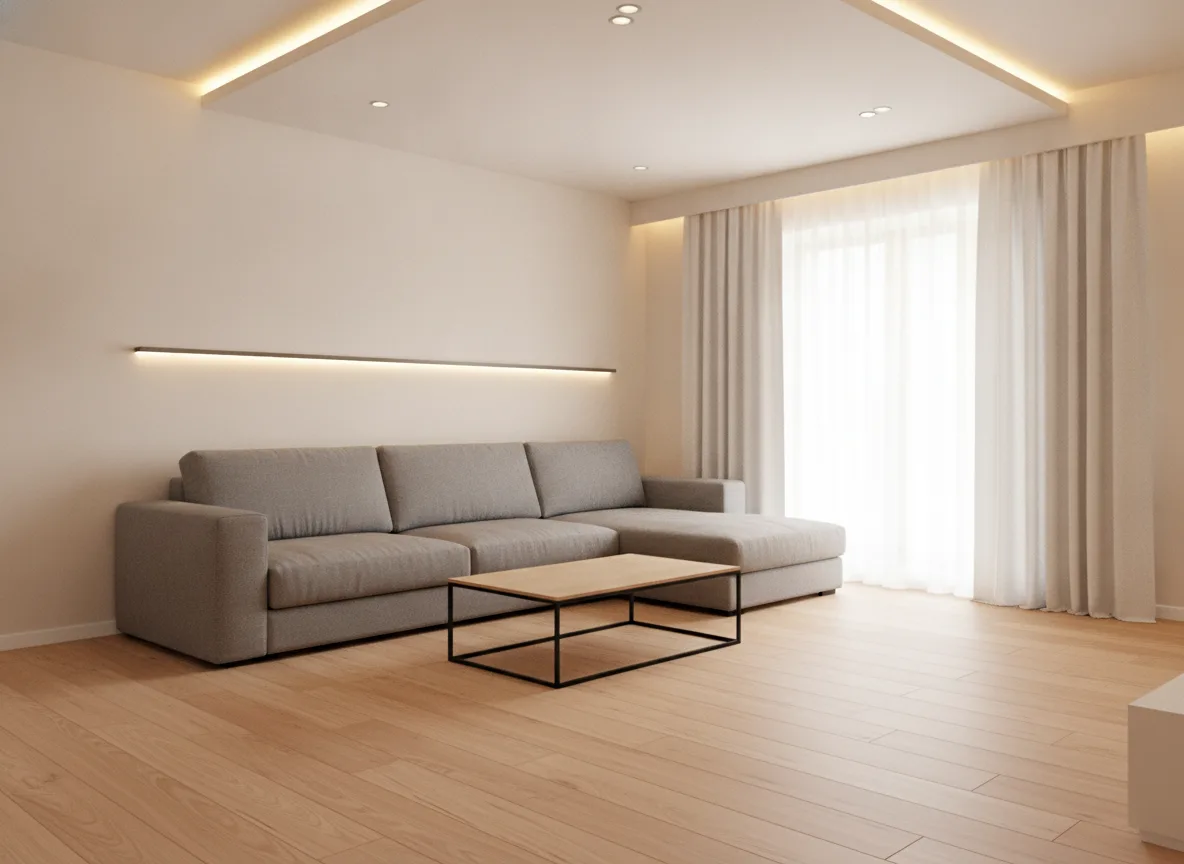
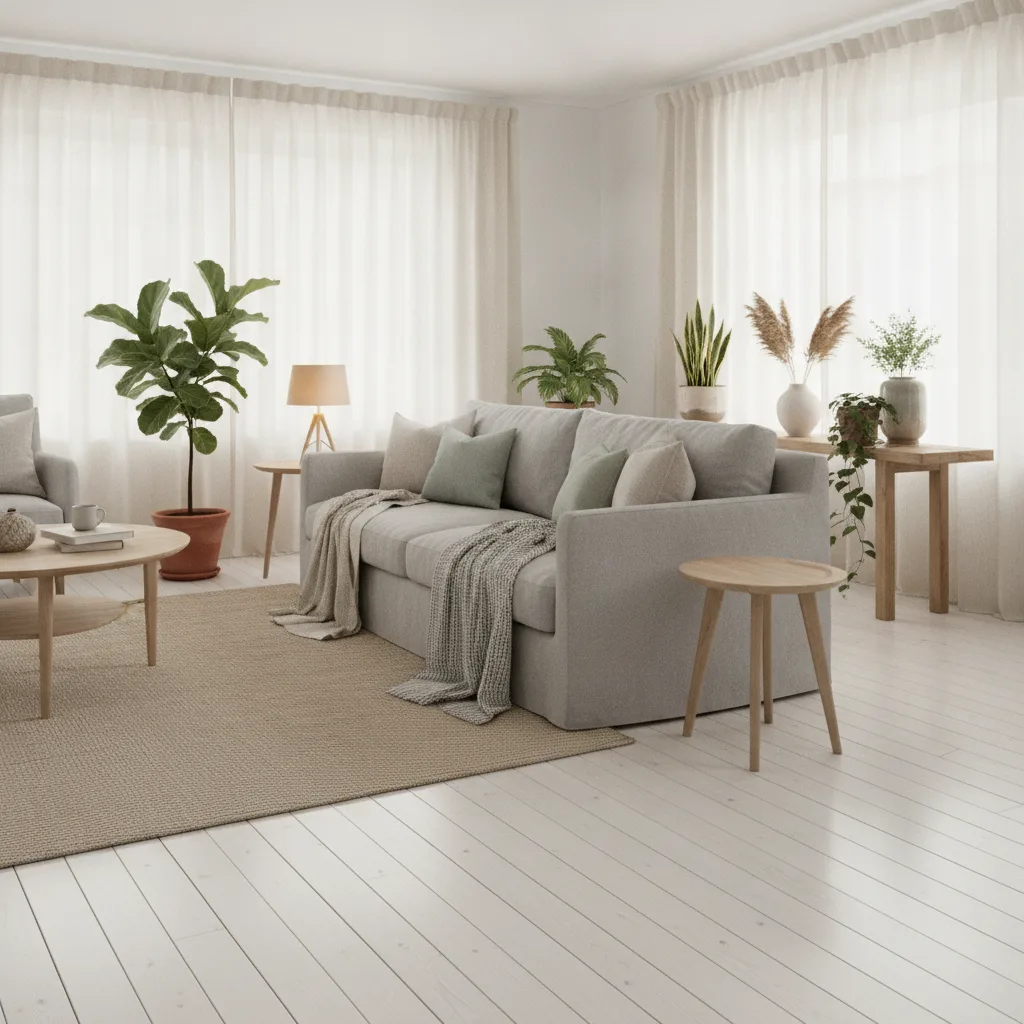
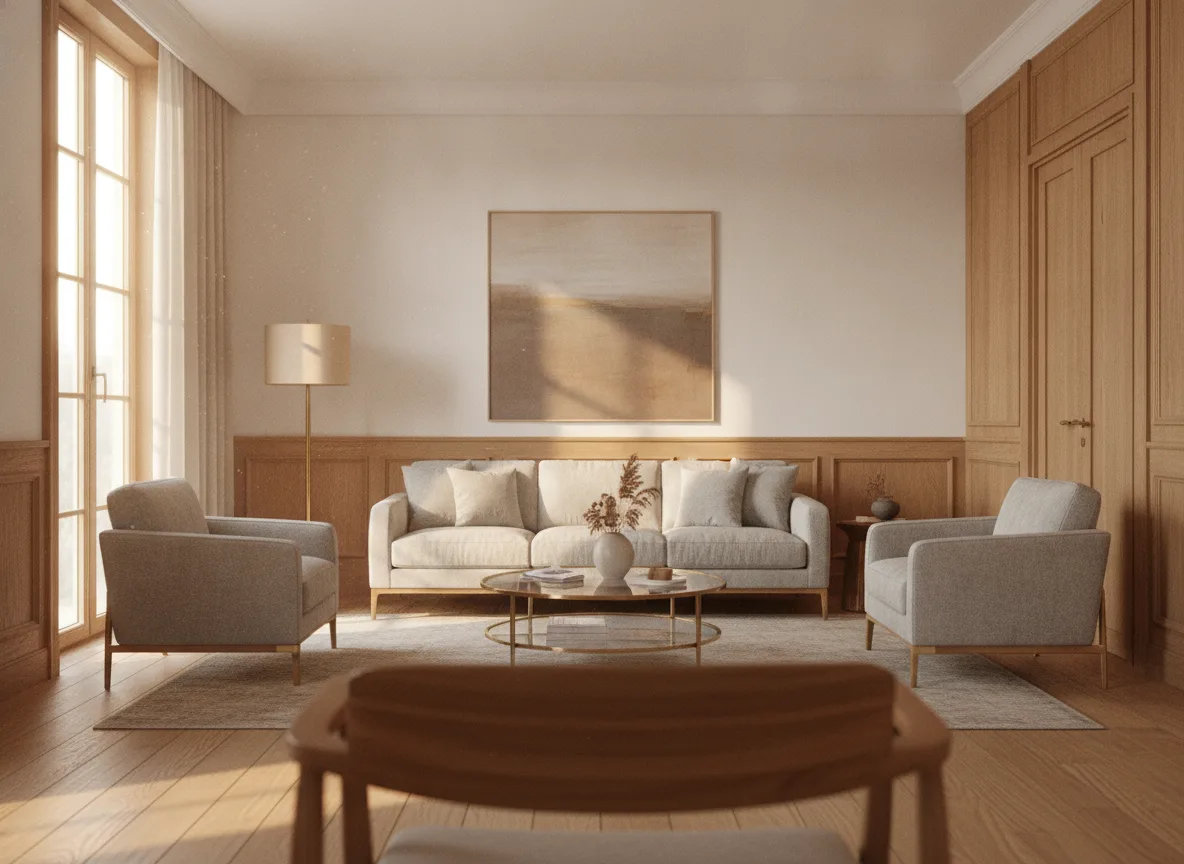
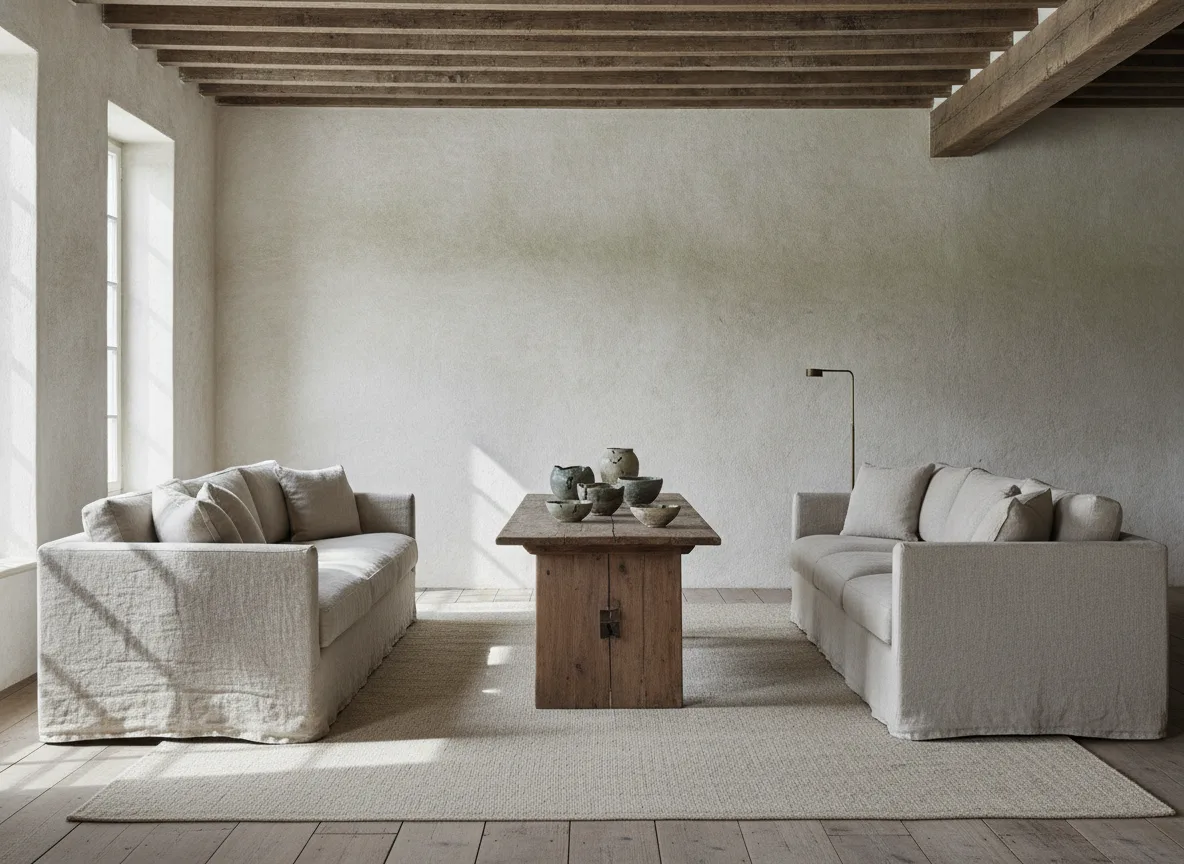
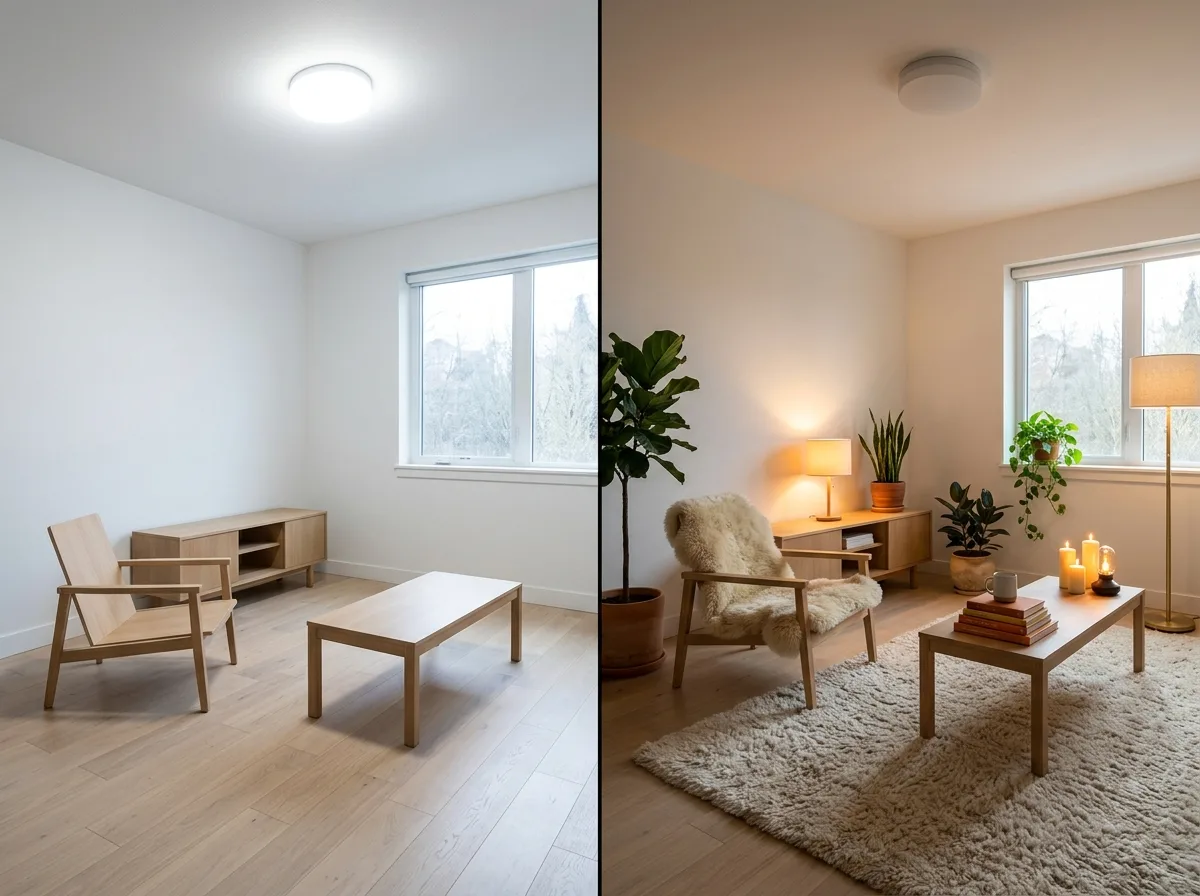
Two versions of the same light-colored minimalist space juxtaposed, with white space but not empty. The left side is cold: white walls, light wood floors, simple furniture, but no textiles, no plants, no books, no candles, and the light source is a cold white ceiling lamp, resulting in an empty and uninhabitable space. The right side is warm: the walls, floor, and furniture arrangement are identical, but sheepskin is draped over the chair, a wool rug, a stack of books, three plants, several candles, and four low warm-light table lamps are added, and the ceiling light is turned off. The same minimalist framework immediately becomes livable. The difference lies entirely in textiles, light source positions, and everyday objects. Avoid: making the two look similar, adding furniture or changing the arrangement on the right side, keeping the ceiling lighting on the right side, depicting the right side as cluttered.
Translated from Chinese by AI.
Show the original prompt
同一個淺色極簡空間的兩種版本並置。左側是冷的:白牆、淺木地板、簡潔的家具,但沒有任何織品、沒有植物、沒有書、沒有蠟燭,光源是天花的一盞冷白吸頂燈,結果空間顯得空洞而不宜居。右側是暖的:牆、地與家具的配置完全相同,但加入了羊皮鋪在椅上、一張羊毛地毯、一疊書、三株植物、幾支蠟燭與四盞矮的暖光桌燈,並關掉天花的燈。同樣的極簡骨架,卻立刻可以住人。差別全部在織品、光源位置與生活物件。避免:讓兩者看起來相似、在右側增加家具與改變配置、在右側保留天花照明、把右側畫得雜亂。