Text-to-Image
Interior Design
通用
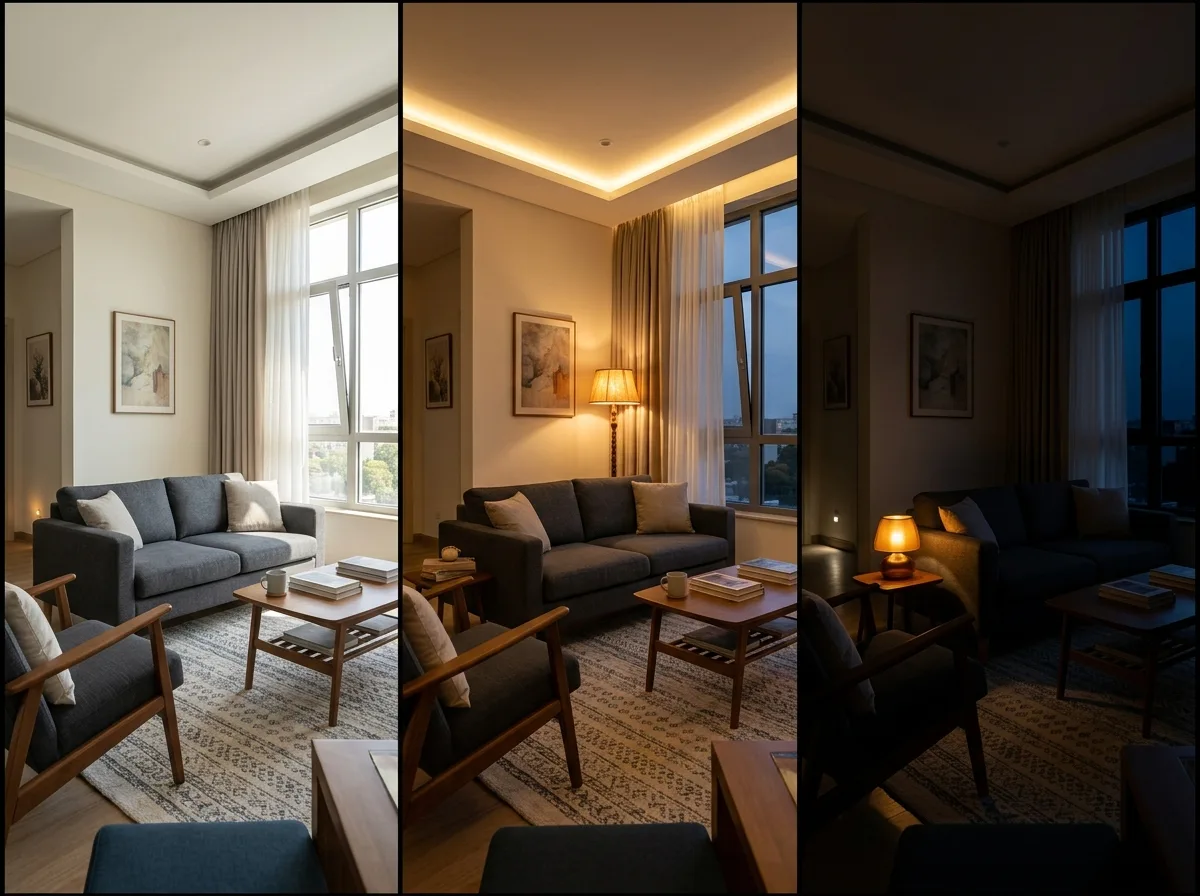
The necessity of dimming: three times of day in the same room
Prompt
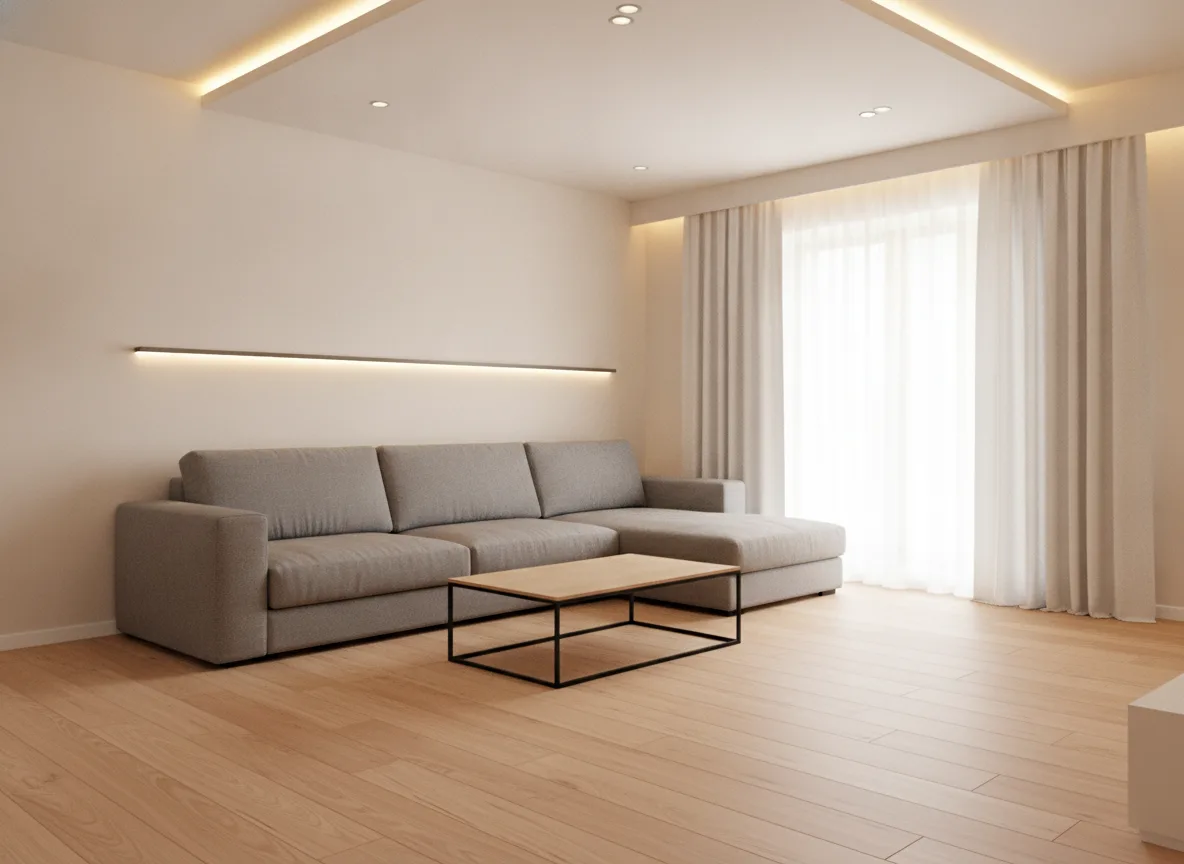
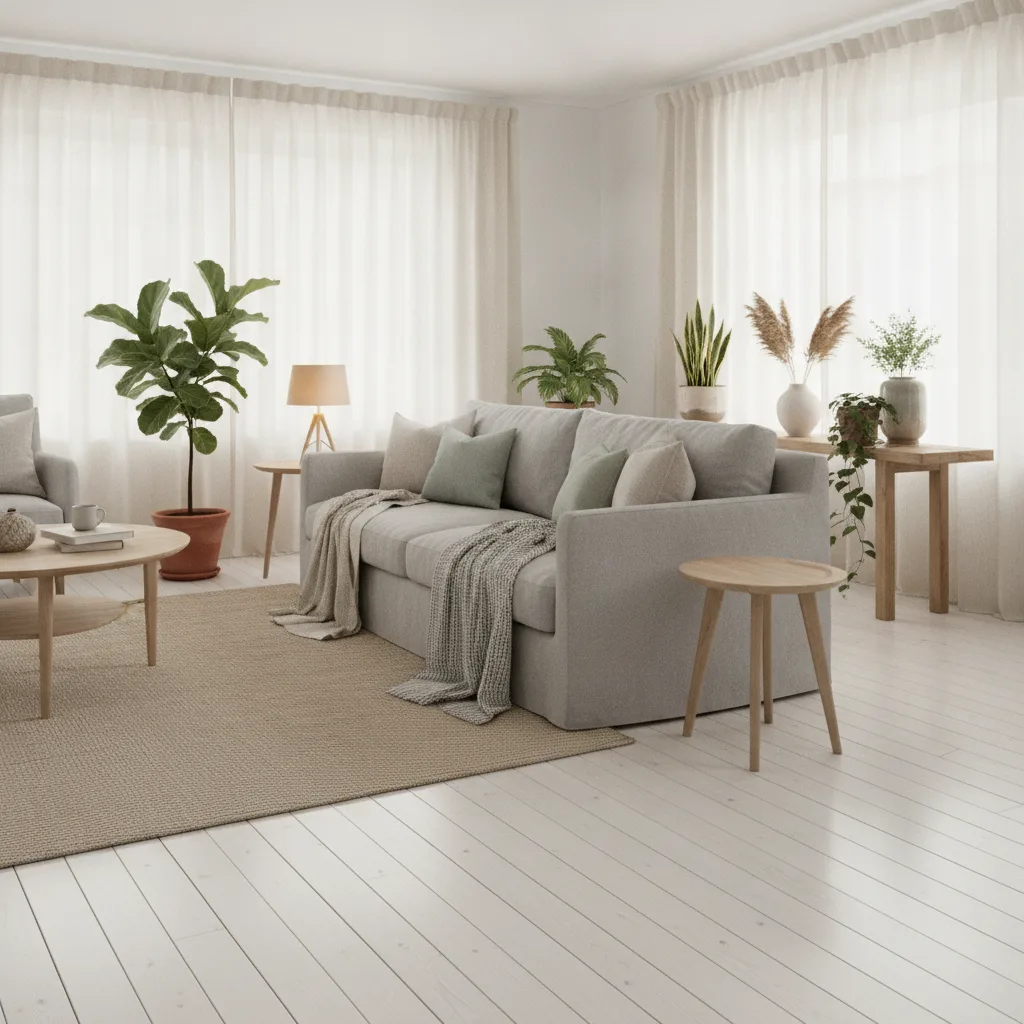
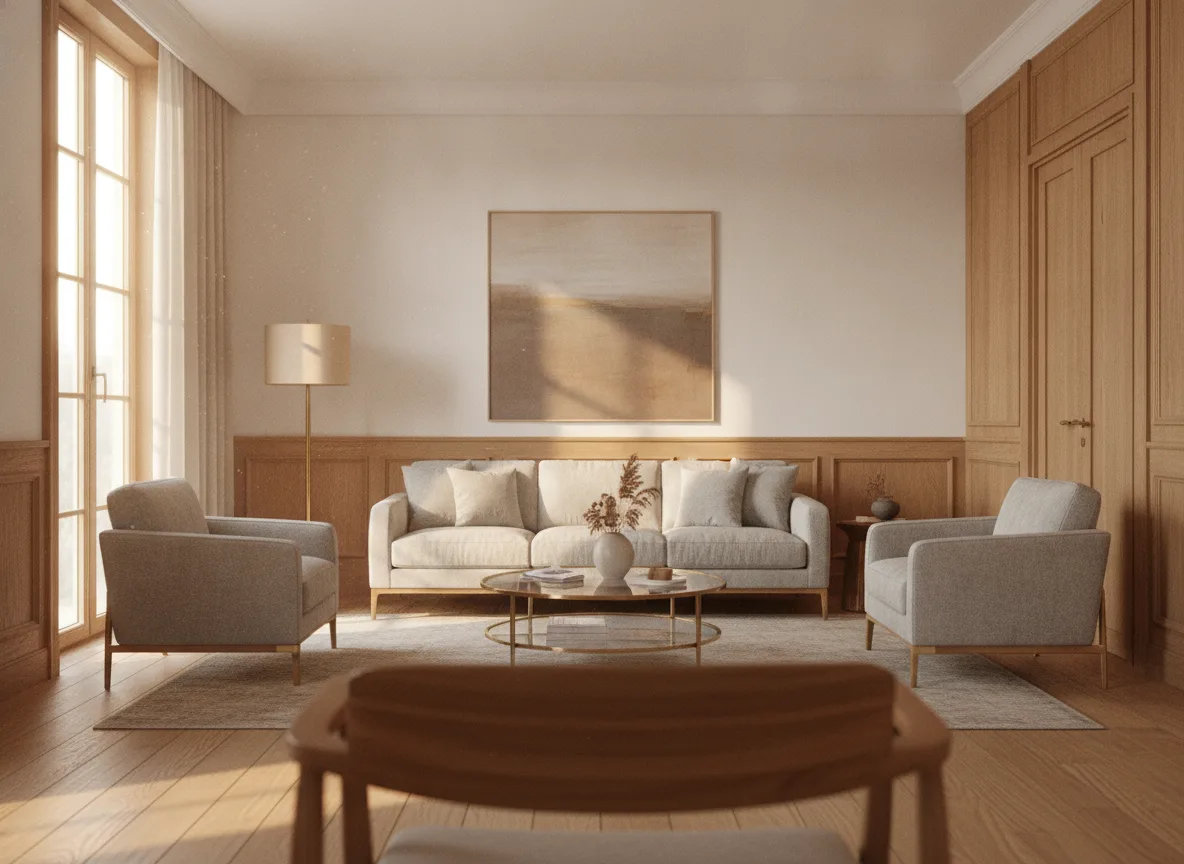
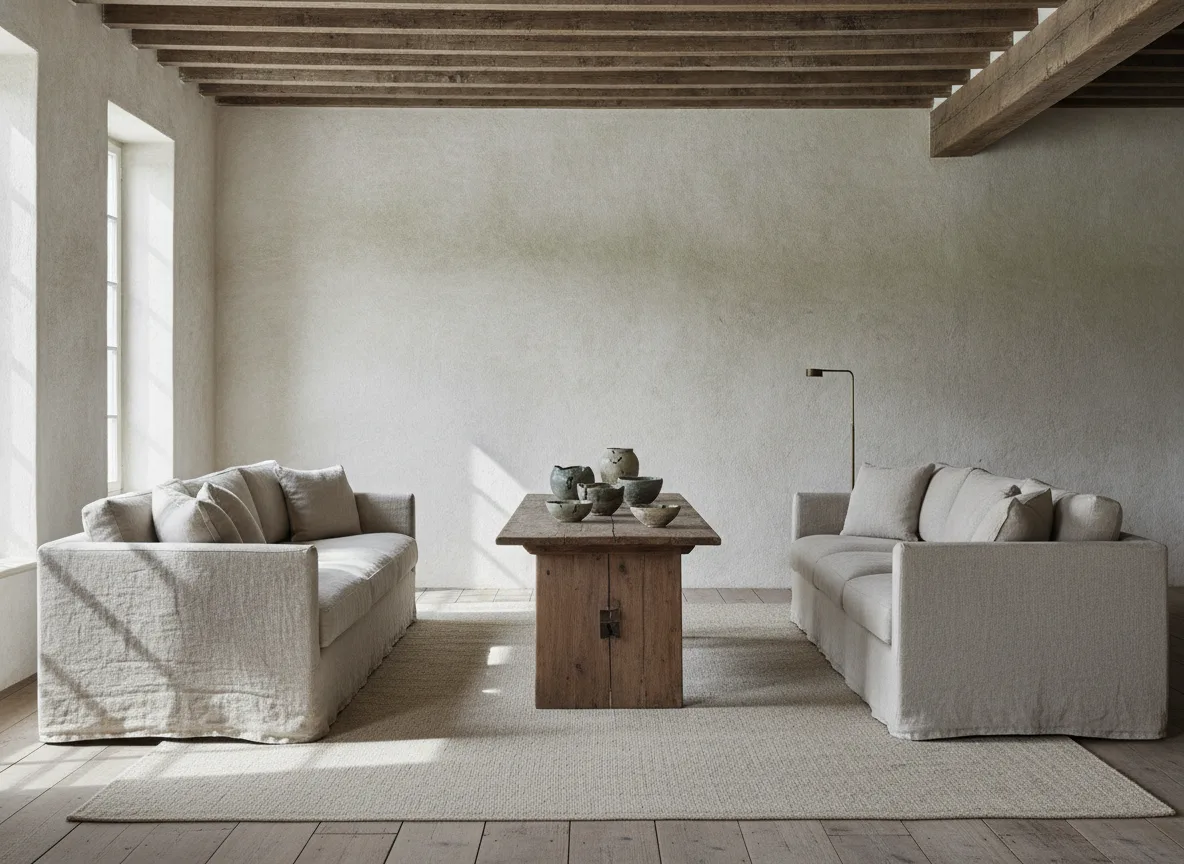
Three different brightness levels of the same living room presented side-by-side. Daytime: Primarily natural light, almost all artificial lights off, with only a small amount of supplementary light in the deep corners. The space is bright and open. Evening: Dimmed to about 60%, with ceiling indirect lighting and floor lamps on simultaneously. The layers of walls and furniture are most rich, representing the most comfortable state of the day. Late Night: Dimmed to about 10%, with only a low table lamp and pathway footlights remaining. Most of the space is plunged into darkness, with only outlines visible, suitable for eyes before sleep. The furniture arrangement and viewing angle are identical in all three scenes; only the amount and distribution of light differ, yet the ambiance of the space is completely transformed. Avoid: Insignificant brightness differences between the three periods, changing furniture or viewing angle, adding excessive light sources in the late-night state, or having obvious artificial light during the daytime.
Translated from Chinese by AI.
Show the original prompt
同一個客廳的三種亮度並列呈現。白天:自然光為主,人工燈幾乎全關,只有深處的角落補一點光,空間明亮開闊。傍晚:調光調到約六成,天花間接光與立燈同時亮著,牆面與家具的層次最豐富,是一天中最舒適的狀態。深夜:調到約一成,只剩下一盞矮桌燈與走道的地腳燈,大部分空間沉入暗色,只看得見輪廓,適合睡前的眼睛。三張畫面的家具配置與視角完全相同,只有光的量與分佈不同,空間的氣質卻完全不一樣。避免:三個時段亮度差異不明顯、改變家具與視角、在深夜狀態加入過多光源、讓白天出現明顯的人工光。