Text-to-Image
Interior Design
通用
Complexity and Order: Rich but Not Chaotic
Prompt
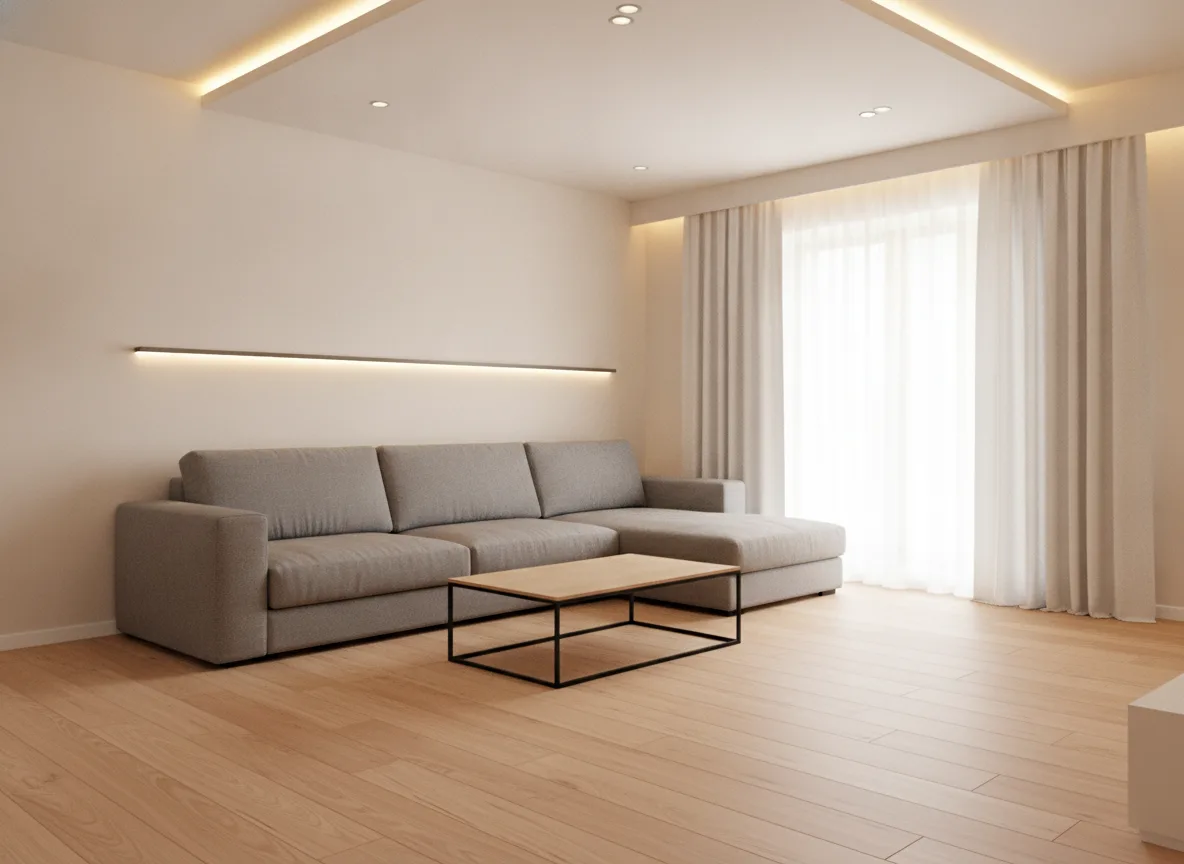
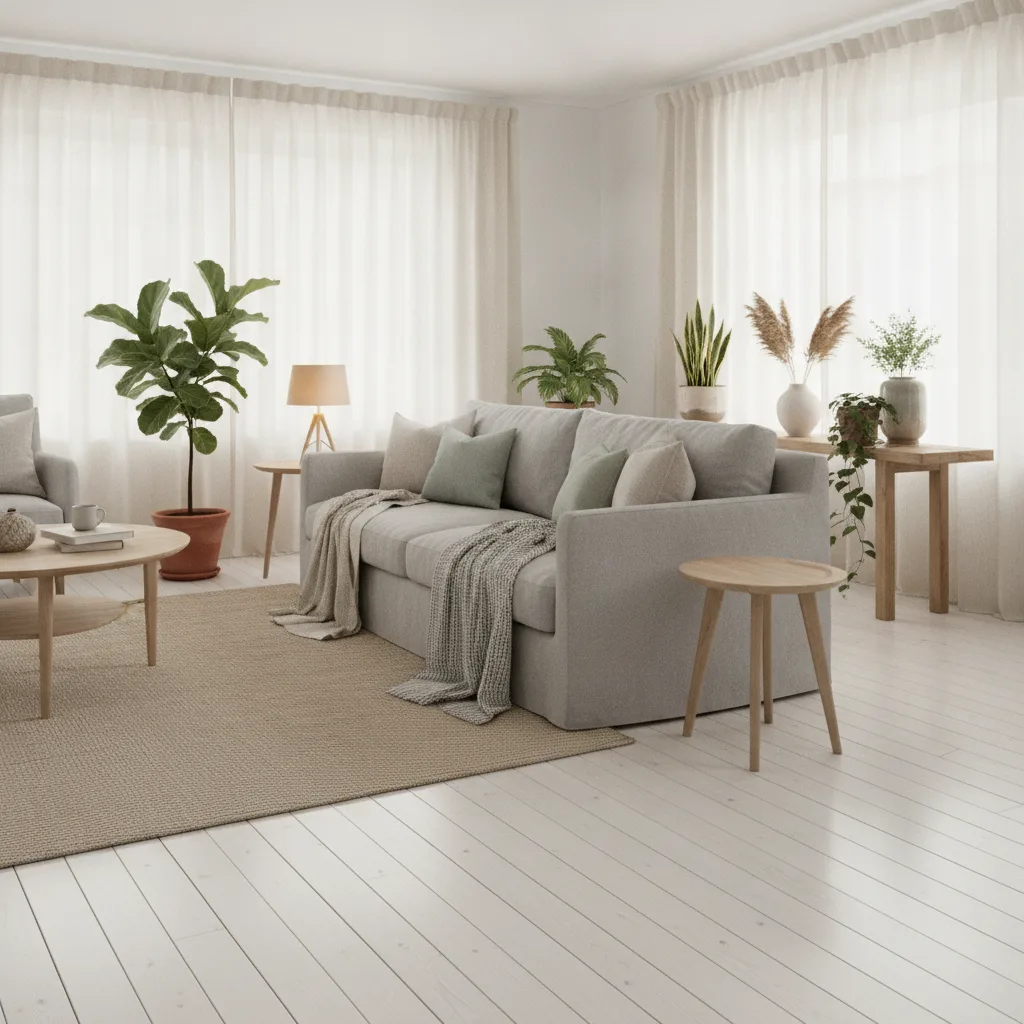
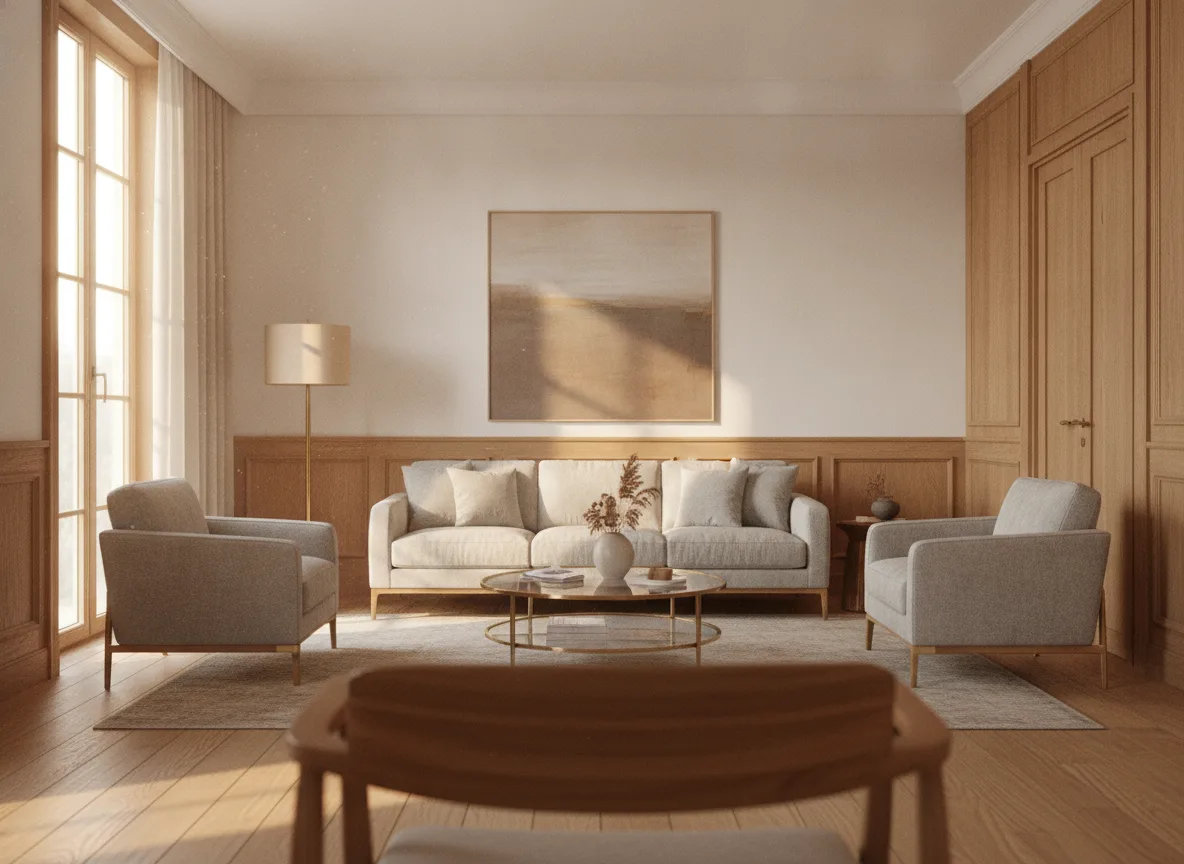
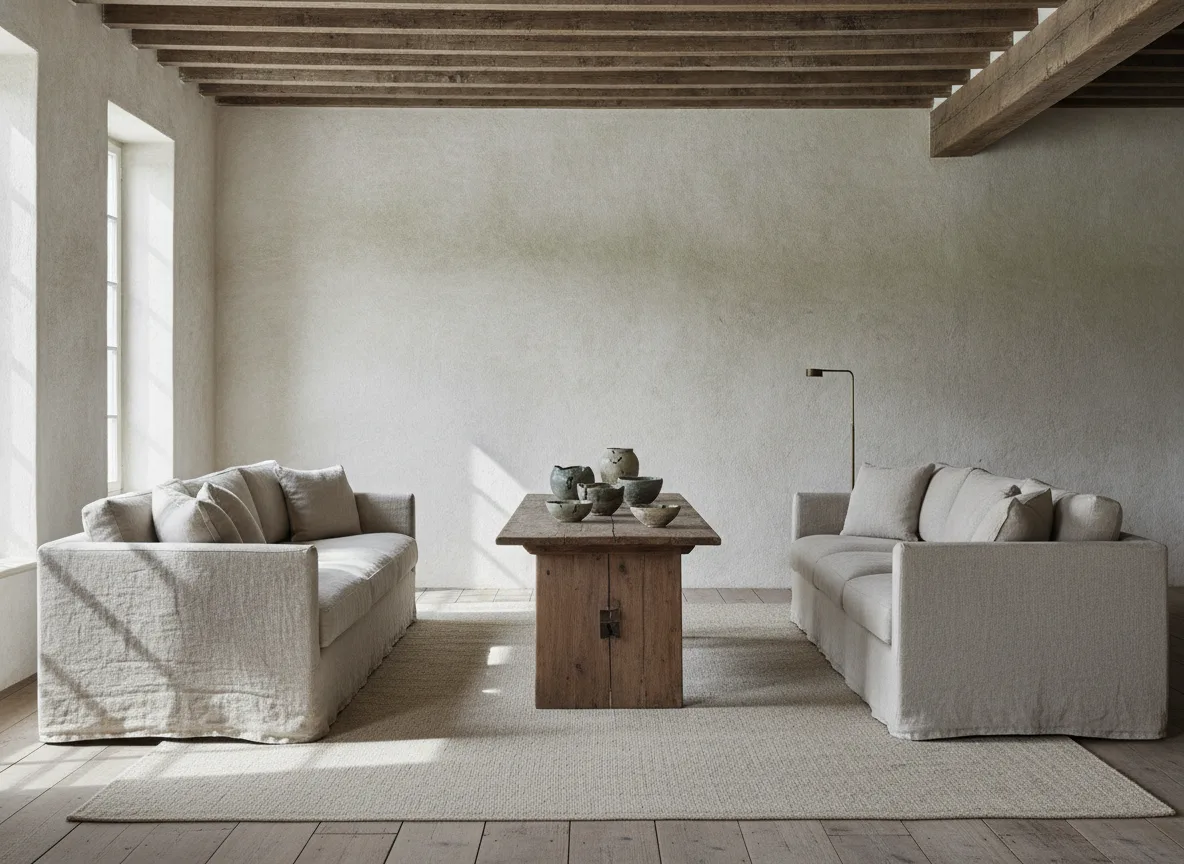
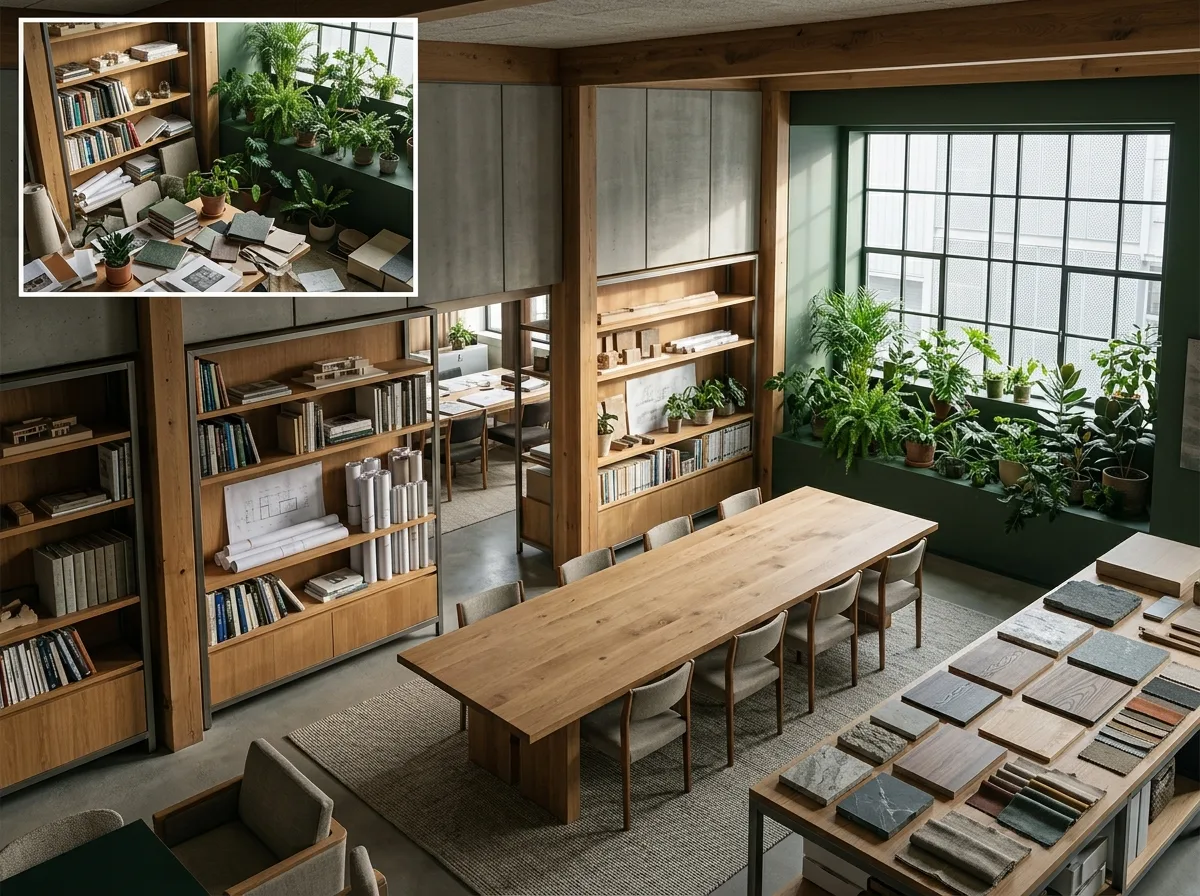
A space that is rich in information yet still orderly. The image contains a wealth of details: variations in wood grain, veins in stone, textures of textiles, layering of plant leaves, and dappled light and shadow. However, these details are not randomly stacked but follow a hierarchy—clear structures at a large scale (wall divisions, aligned furniture placement), identifiable groupings at a medium scale (plants in groups, material zoning), and rich random textures at a small scale. This hierarchy of “order at large, complexity at small” is precisely how nature is organized, and why humans find it comfortable. In one corner of the image, a comparison is made with a version that has the same amount of detail but no hierarchy, appearing chaotic. Avoid: making the two similar, reducing details to minimalism, making large-scale structures also random, adding high-saturation colors.
Translated from Chinese by AI.
Show the original prompt
一個資訊豐富但仍然有序的空間。畫面中有大量的細節:木紋的變化、石材的脈絡、織品的織紋、植物葉片的層疊、光影的斑駁。但這些細節不是隨機堆疊的,而是遵循著層級——大尺度上有清楚的結構(牆面的分割、家具的配置對齊),中尺度上有可辨識的群組(植物成組、材料分區),小尺度上才是豐富的隨機紋理。這種「大處有序、小處複雜」的層級正是自然界的組織方式,也是人覺得舒服的原因。畫面一角以同樣多的細節但沒有層級的版本作對照,顯得雜亂。避免:讓兩者相似、把細節減少變成極簡、讓大尺度的結構也變得隨機、加入高彩度的顏色。