Text-to-Image
Interior Design
通用
Designing Sound: Making the Neighbors Unheard
Prompt
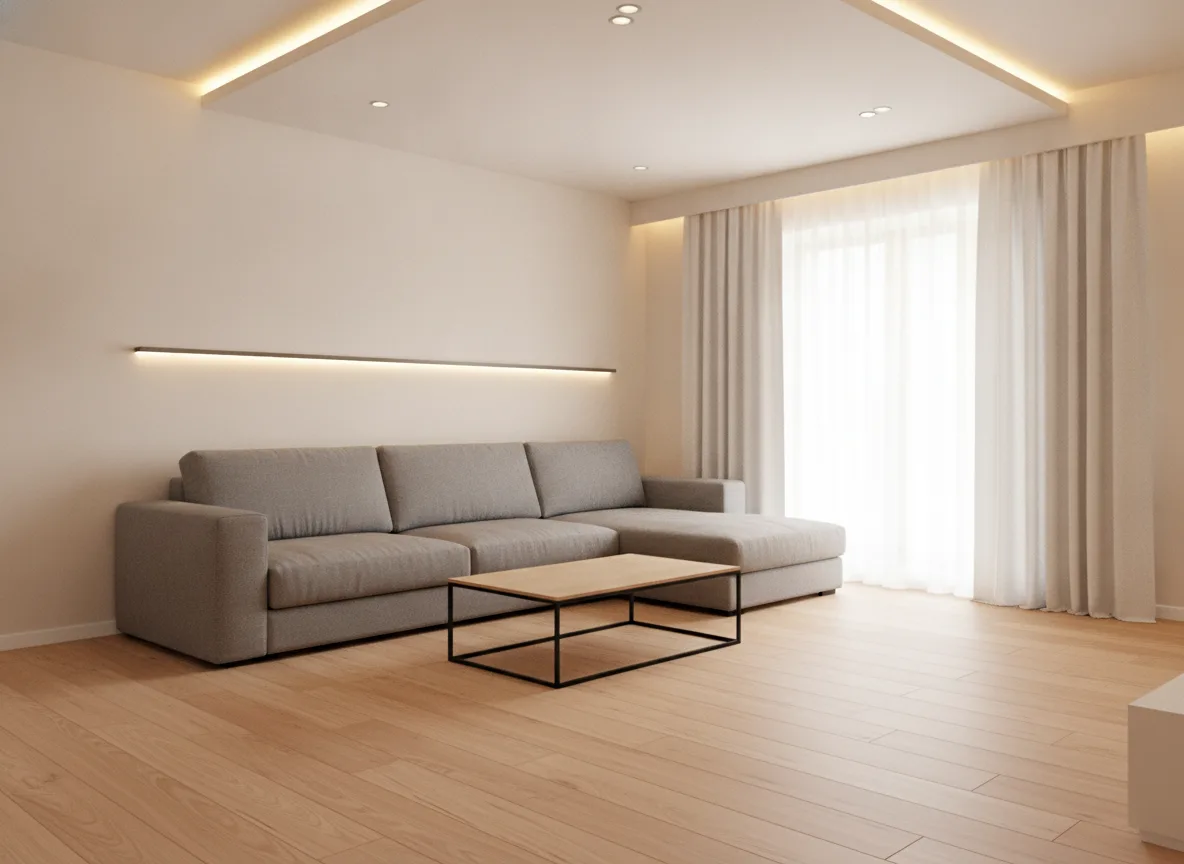
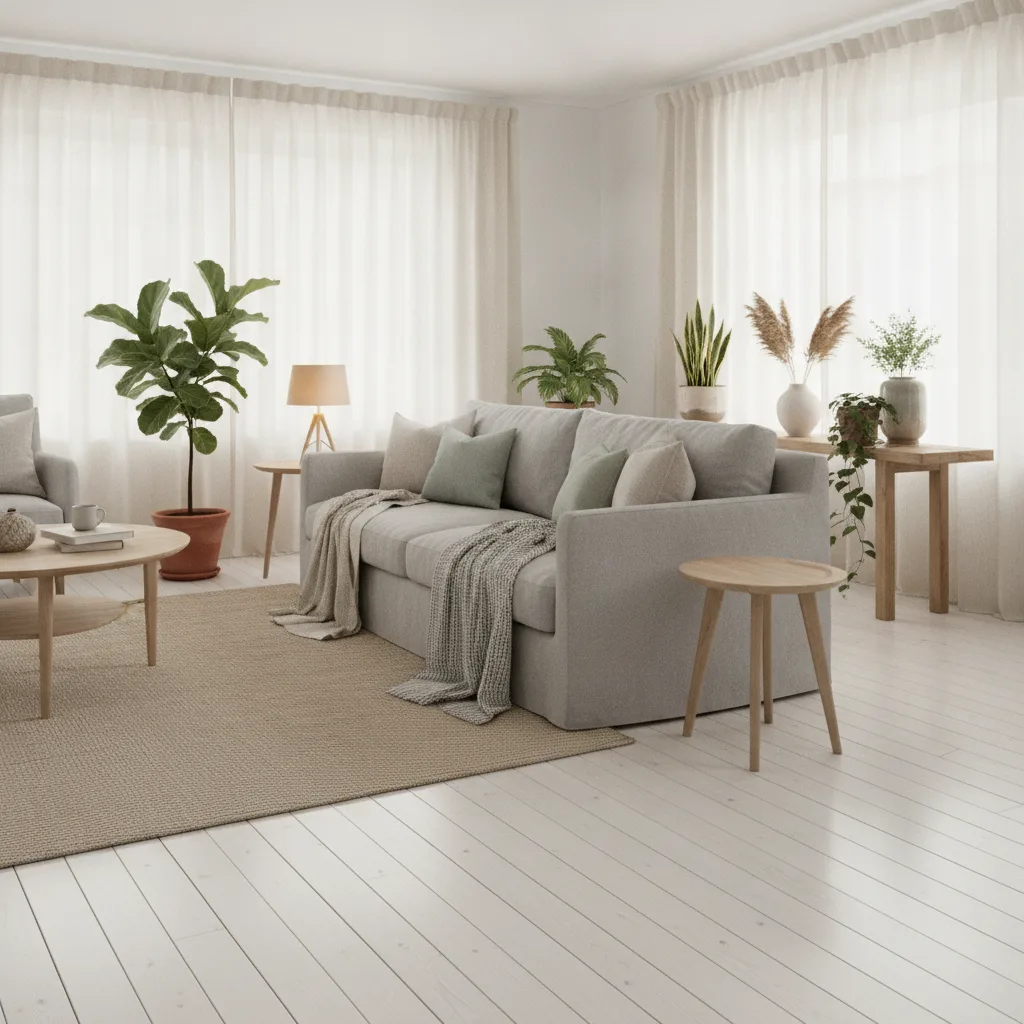
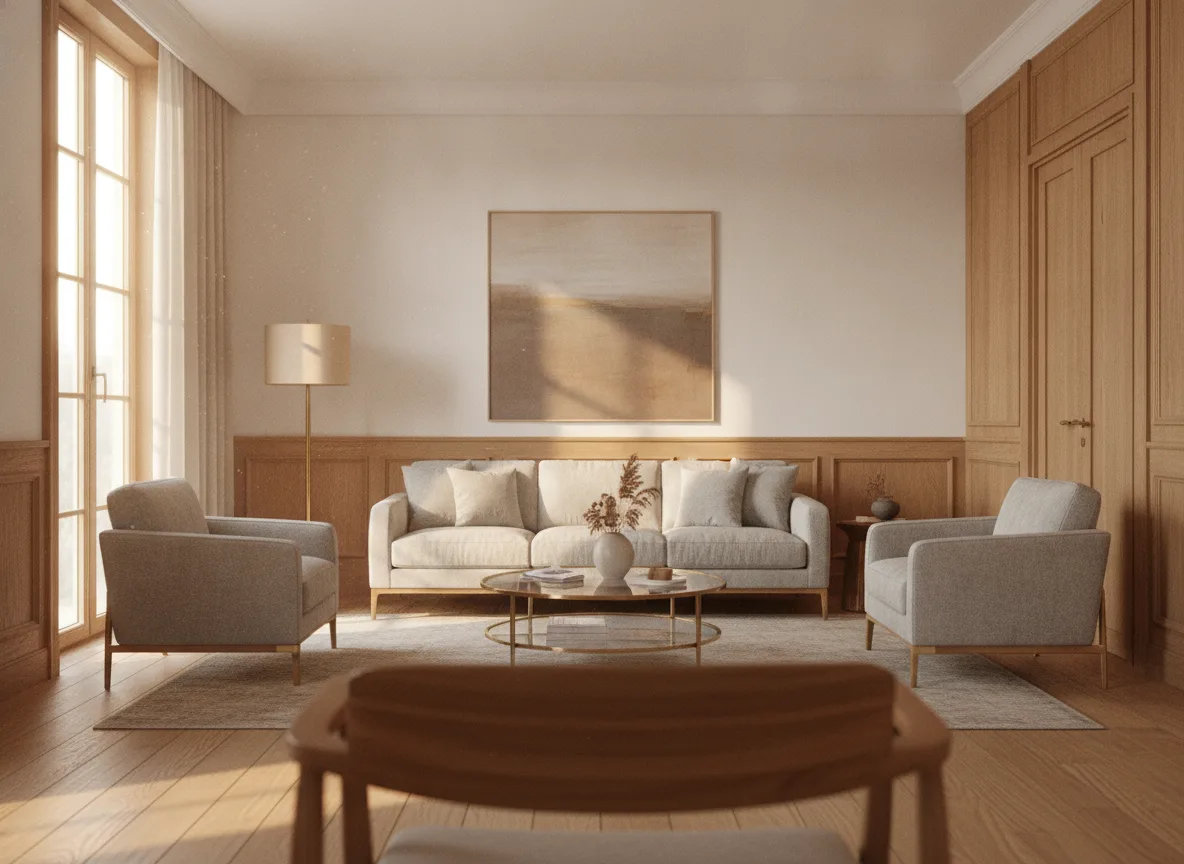
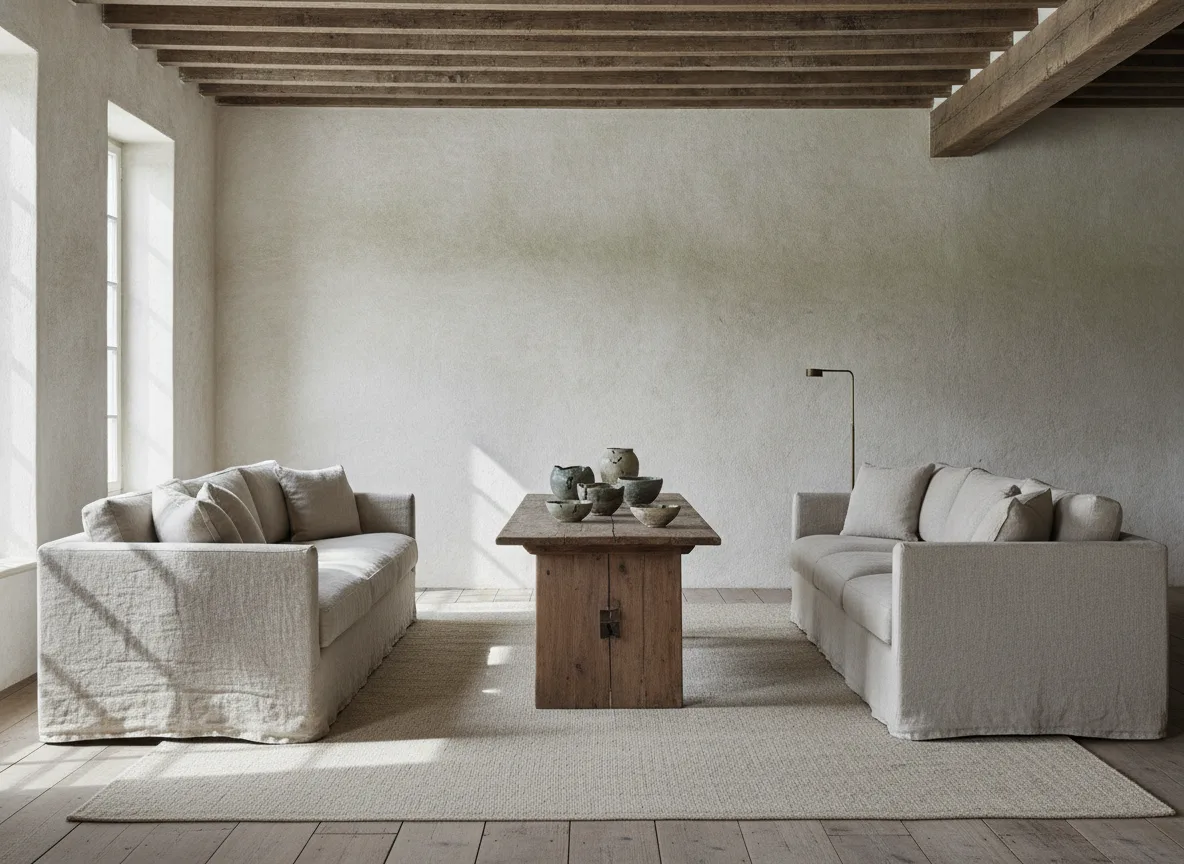
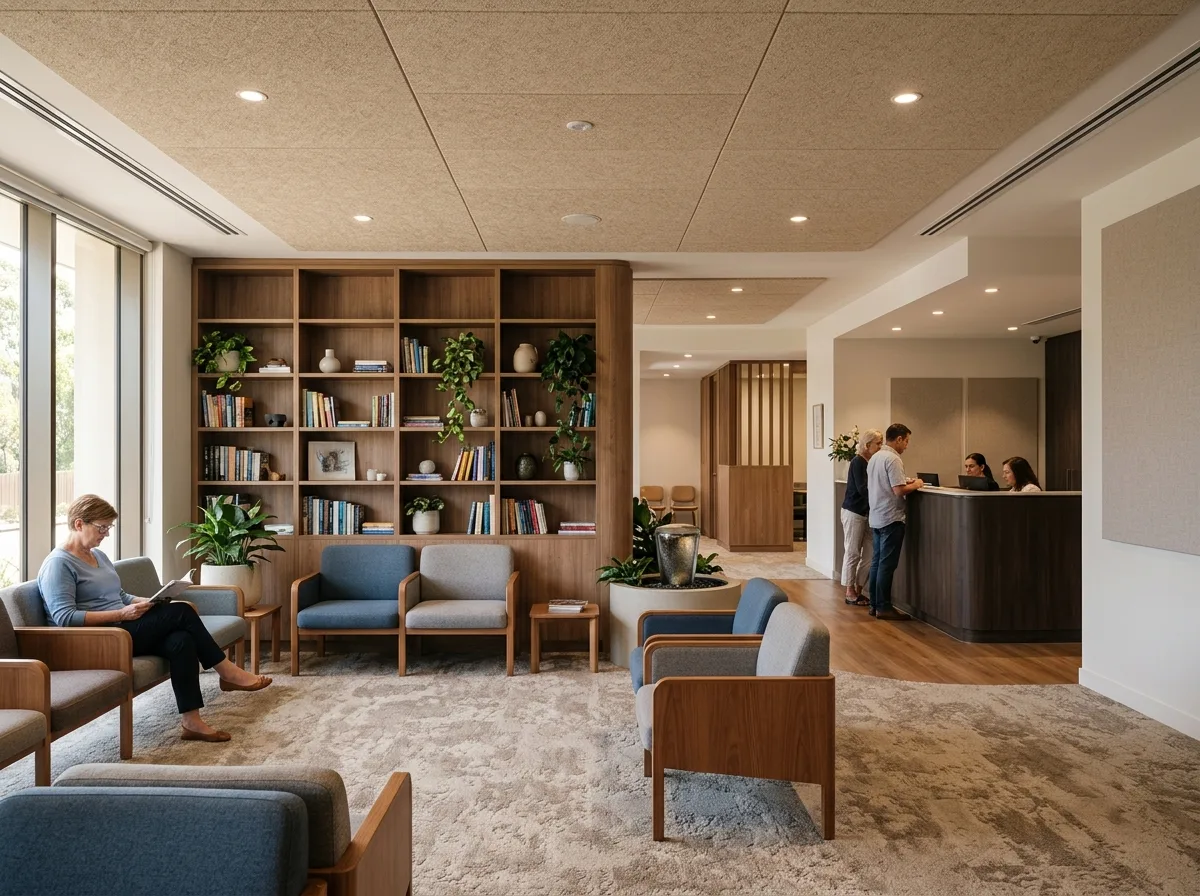
Privacy in medical spaces is largely auditory: stating one's symptoms at the counter, hearing others' diagnoses in the waiting area, or overhearing conversations from inside the consultation room while outside. The design response is spatial rather than equipment-based—increasing the distance between conversation points and waiting areas, reducing reverberation with soft, sound-absorbing ceilings and floors, using thick elements like bookshelves and plants instead of smooth, hard walls, and introducing soft background sounds (water sounds or ventilation white noise) where needed. The space thus sounds quiet rather than empty. Shot under soft, even lighting, clearly showing the texture of soft materials and the spatial enclosure. Avoid: all hard surfaces, counter directly adjacent to waiting seats, complete silence making every word clear, loudly covering up with music.
Translated from Chinese by AI.
Show the original prompt
醫療空間的隱私大半是聽覺的:在櫃檯講出自己的症狀、在等候區聽見別人的診斷、在診間外聽見裡面的對話。設計的回應是空間而非設備——把交談的位置與等候的位置拉開距離、以軟質吸音的天花與地坪降低殘響、用書架與植栽等有厚度的元素代替光滑的硬牆、在需要的位置引入柔和的背景聲(水聲或通風的白噪)。空間因此聽起來是安靜而不是空曠。柔和均勻的光線下拍攝,軟質材料的質感與空間的圍塑清楚。避免:全硬質表面、櫃檯緊鄰等候席、完全無聲讓每句話都清楚、以音樂大聲蓋過。