Text-to-Image
Interior Design
通用
Soft Furnishings Can Be Changed: Don't Follow Hotels with Hard Finishes
Prompt
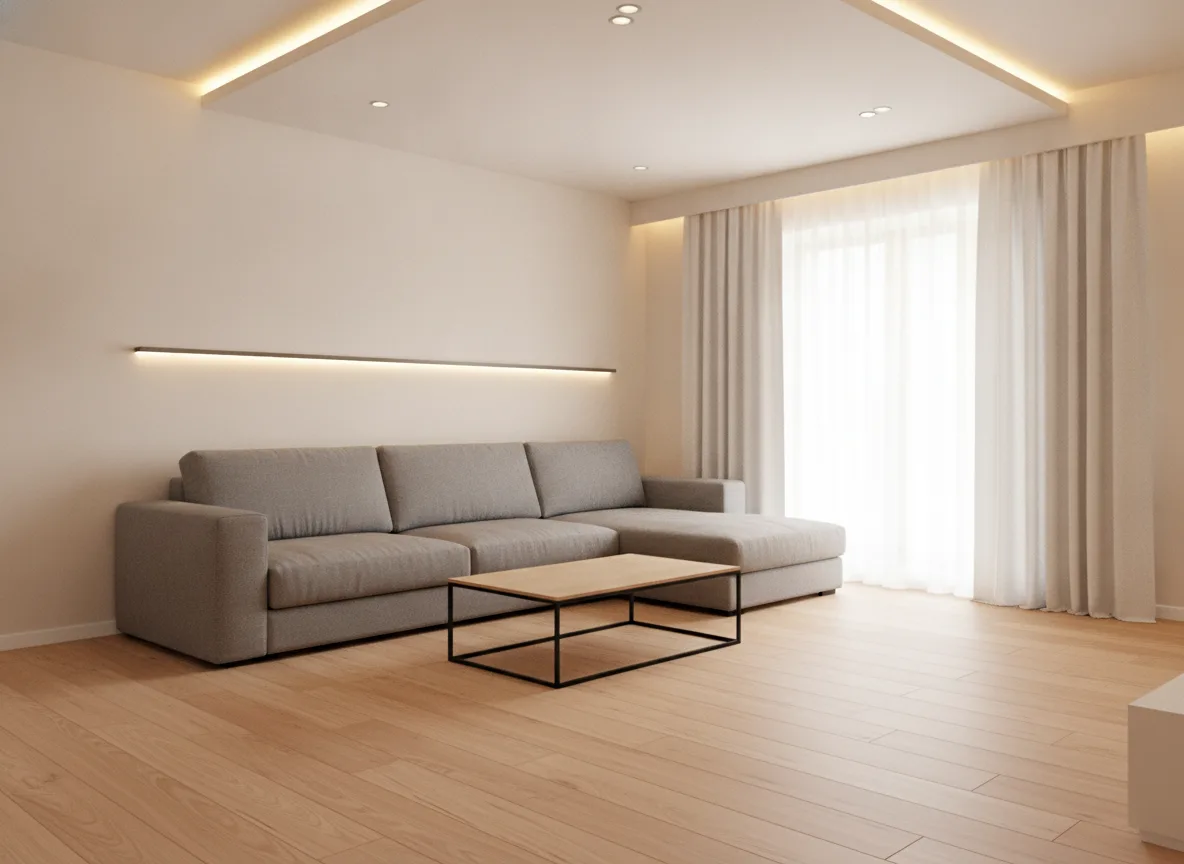
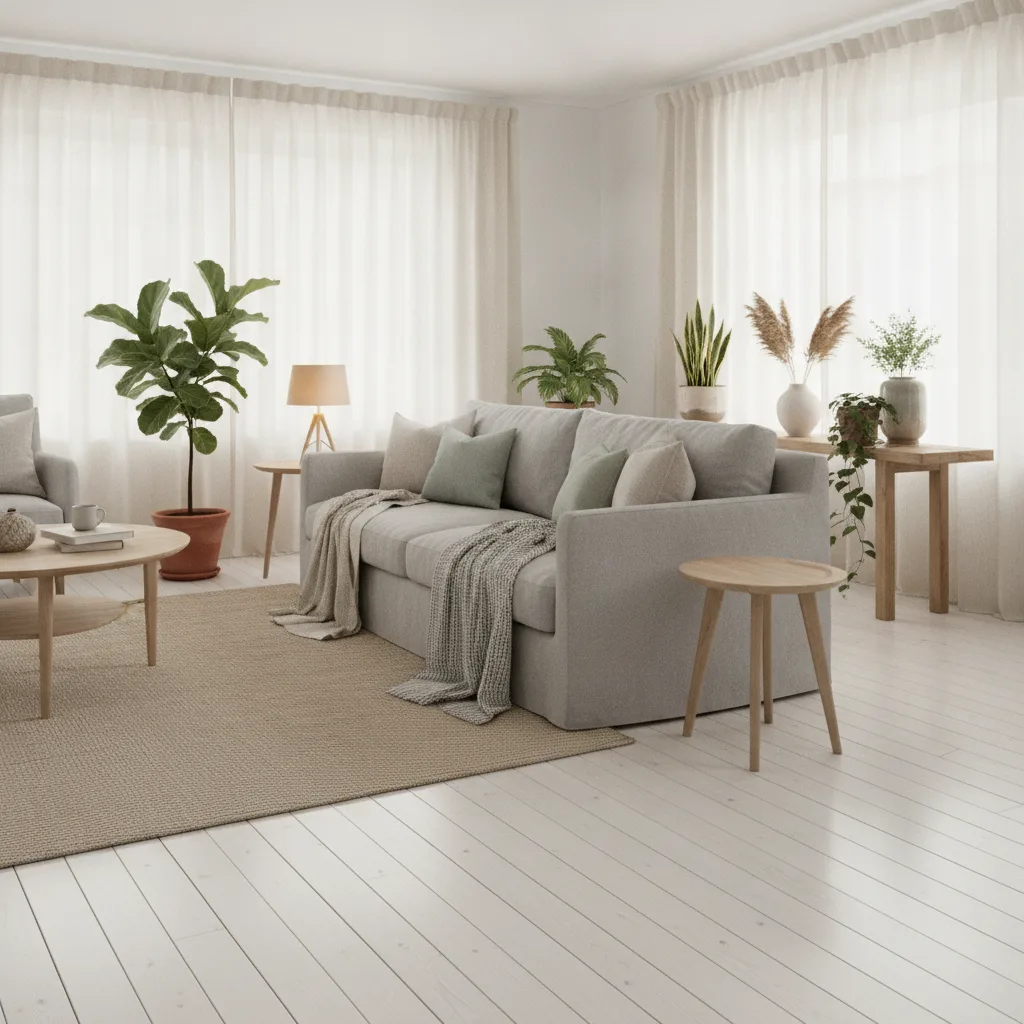
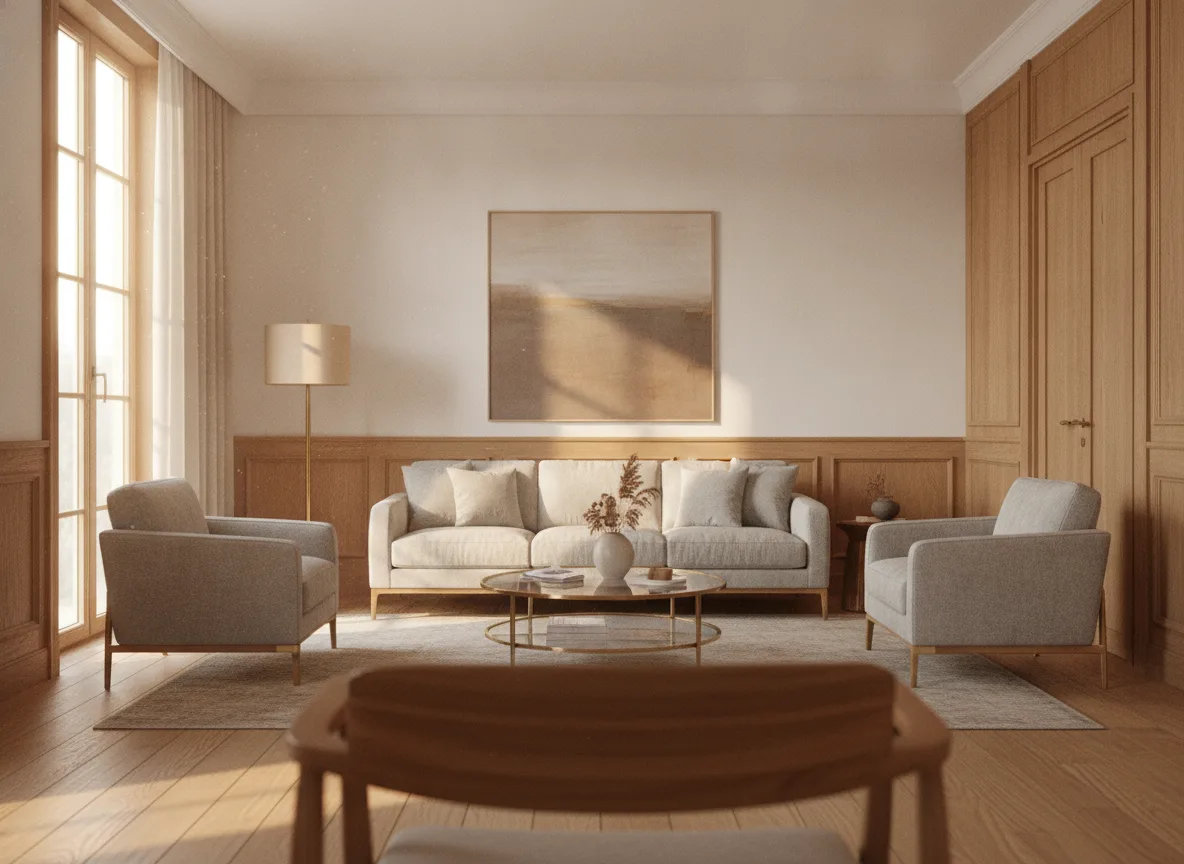
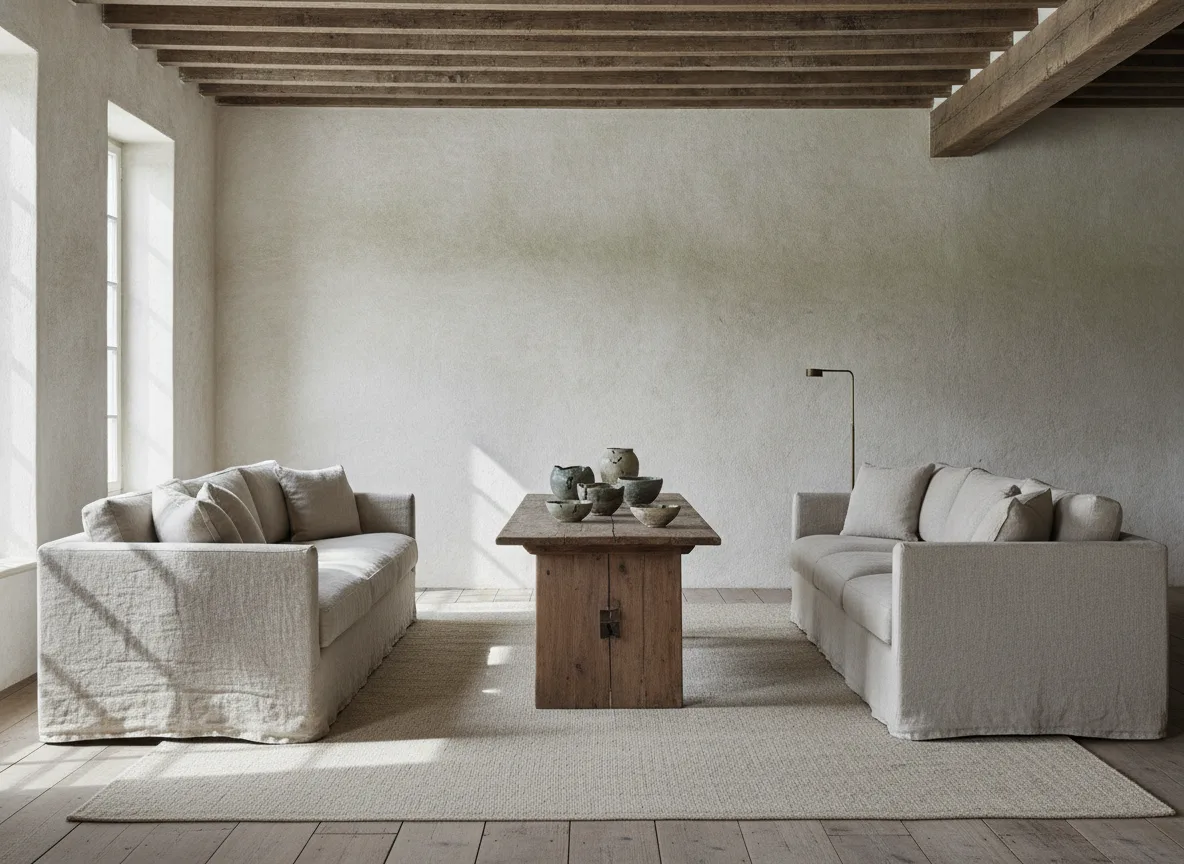
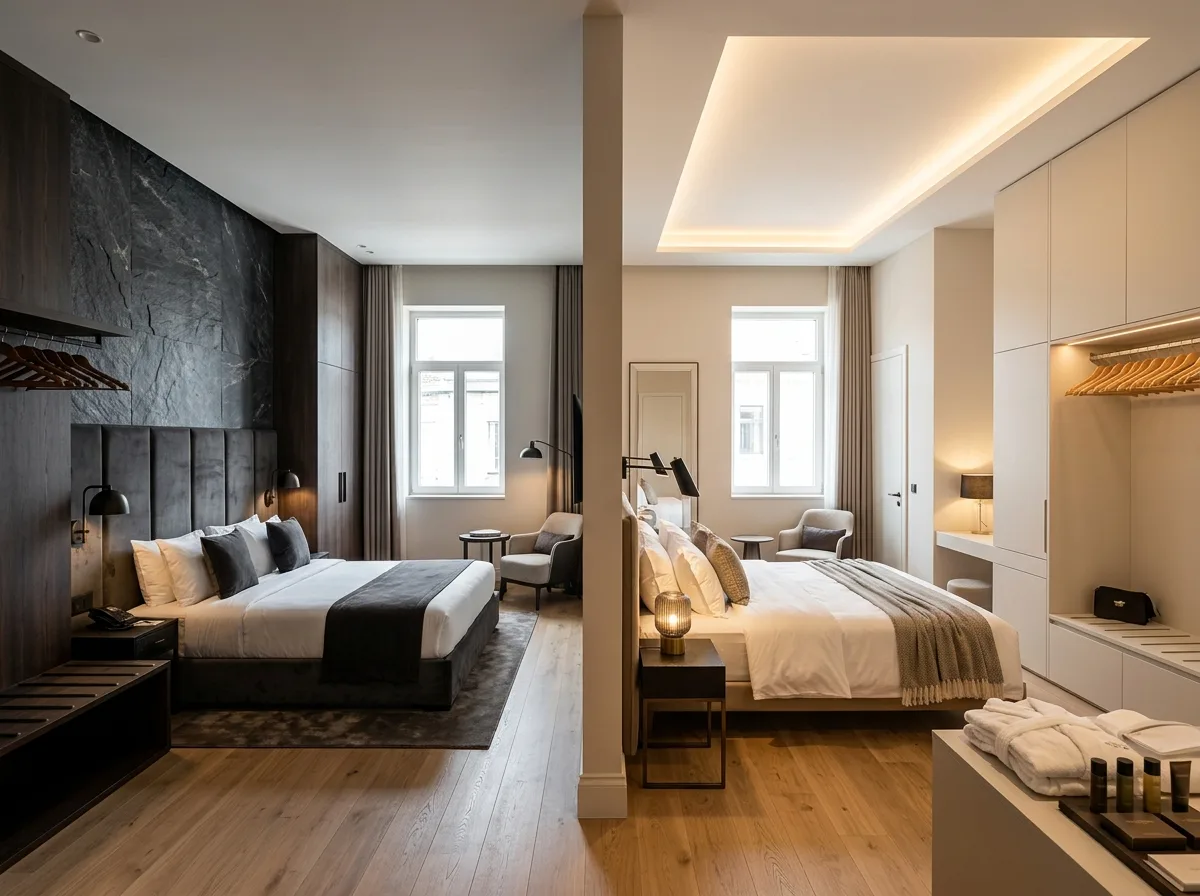
A comparison of two investment strategies for the same space. The left side incorporates hotel aesthetics into the hard furnishings: dark stone main wall, full-height woodwork, custom upholstered headboard—if the style needs to be changed five years later, the entire setup must be demolished and redone. The right side incorporates hotel aesthetics into the soft furnishings and storage: the hard furnishings are neutral warm white walls and light wood flooring, while the hotel feel comes from layered bedding, uniform hangers and amenities, hidden storage, and zoned and mood lighting; these can be changed at low cost. The initial visual effect of both is similar, the difference lies in the flexibility of change. Avoid: making the two look very different, depicting the right side as cheap, omitting hidden storage and zoned lighting on the right side, changing the area and layout of both.
Translated from Chinese by AI.
Show the original prompt
同一個空間的兩種投資策略對照。左側把飯店感做進硬體:深色的石材主牆、通高的木作、訂製的軟包床頭牆——五年後想改風格,整個要打掉重做。右側把飯店感做在軟裝與收納:硬體是中性的暖白牆與淺木地板,飯店感來自寢具的層次、統一的衣架與備品、隱藏的收納、以及照明的分區與情境;這些換掉的成本很低。兩者的第一眼效果接近,差別在改變的彈性。避免:讓兩者看起來差很多、把右側畫成廉價、在右側省略隱藏收納與照明分區、改變兩者的坪數與配置。