Text-to-Image
Interior Design
通用
Zen is not Wabi-Sabi: One seeks order, the other imperfection
Prompt
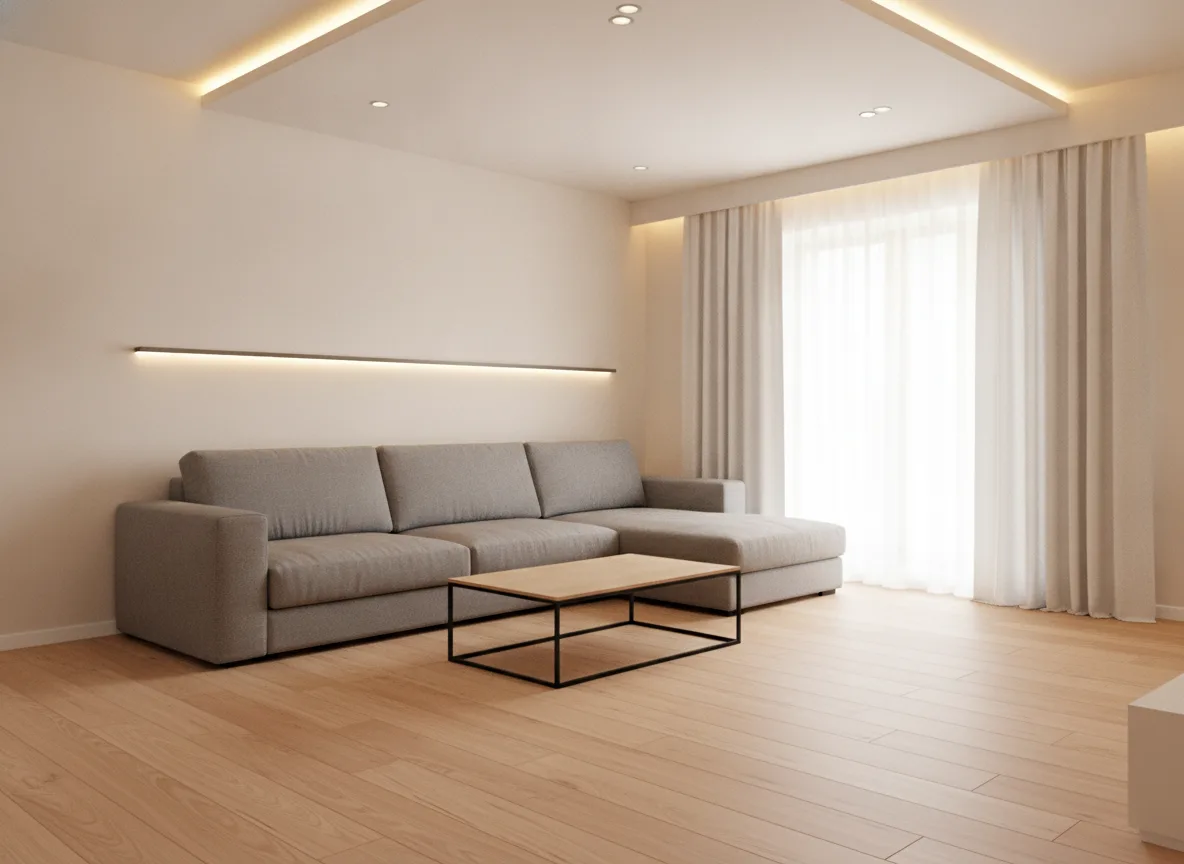
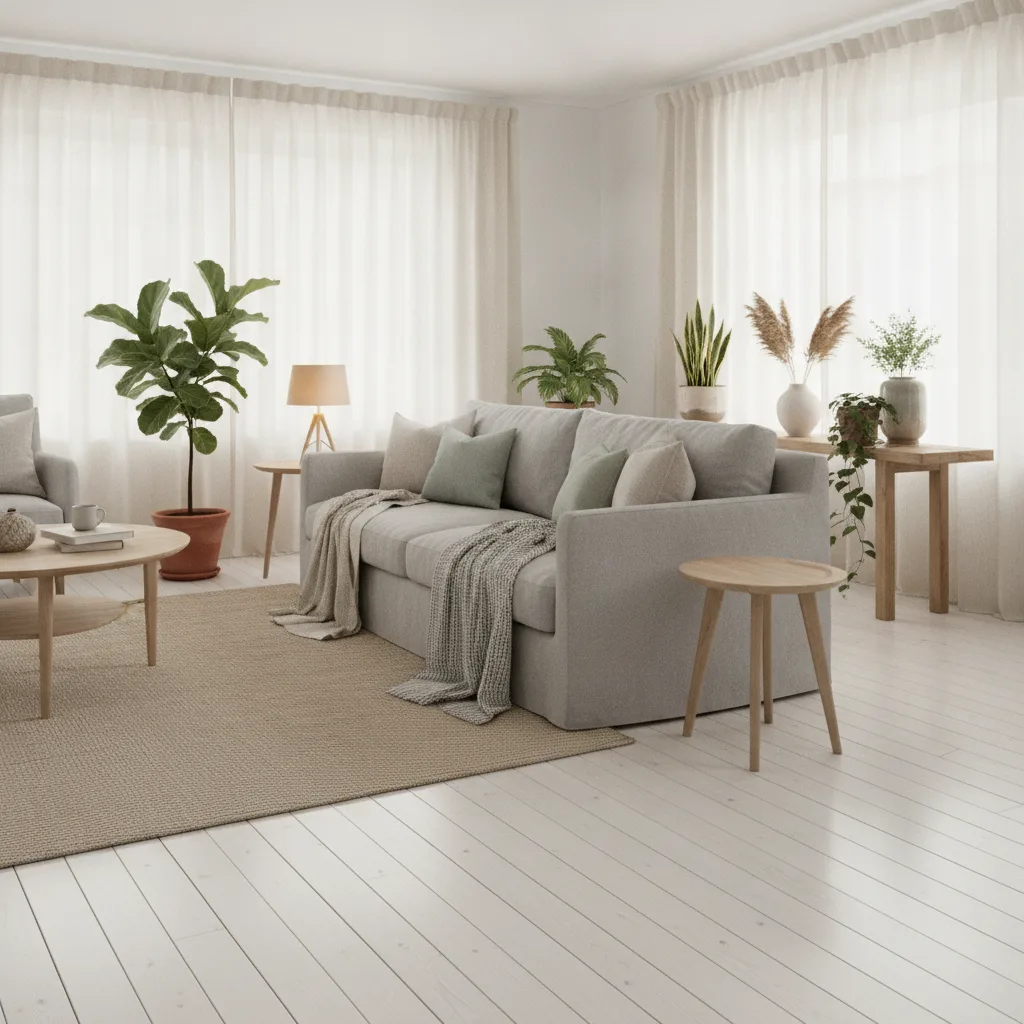
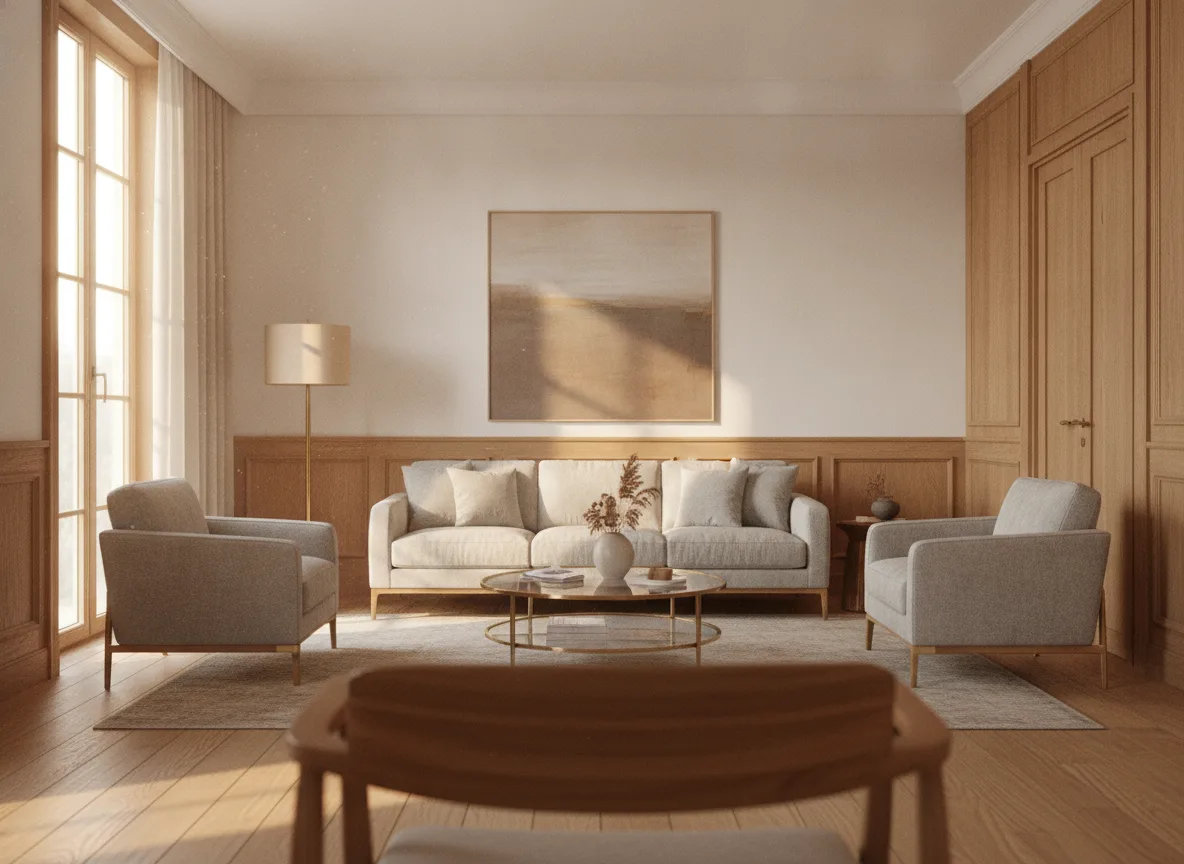
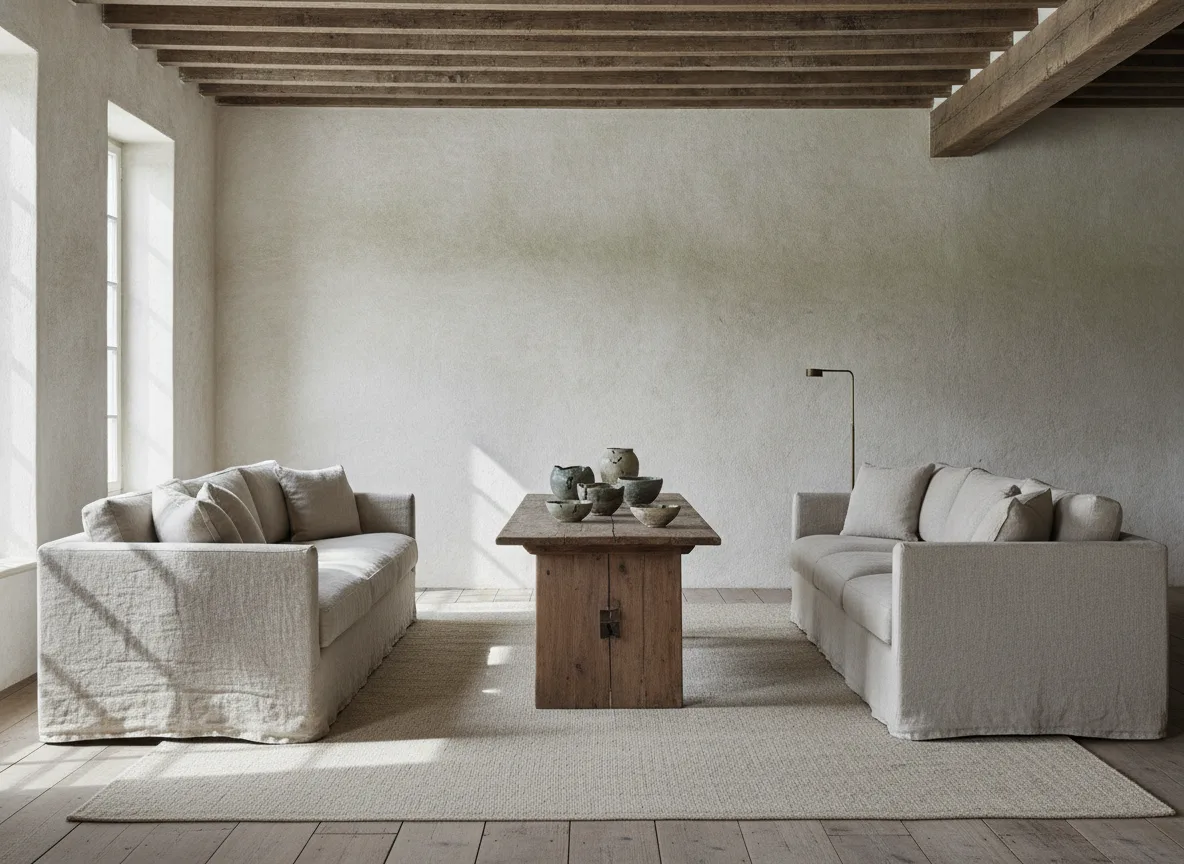
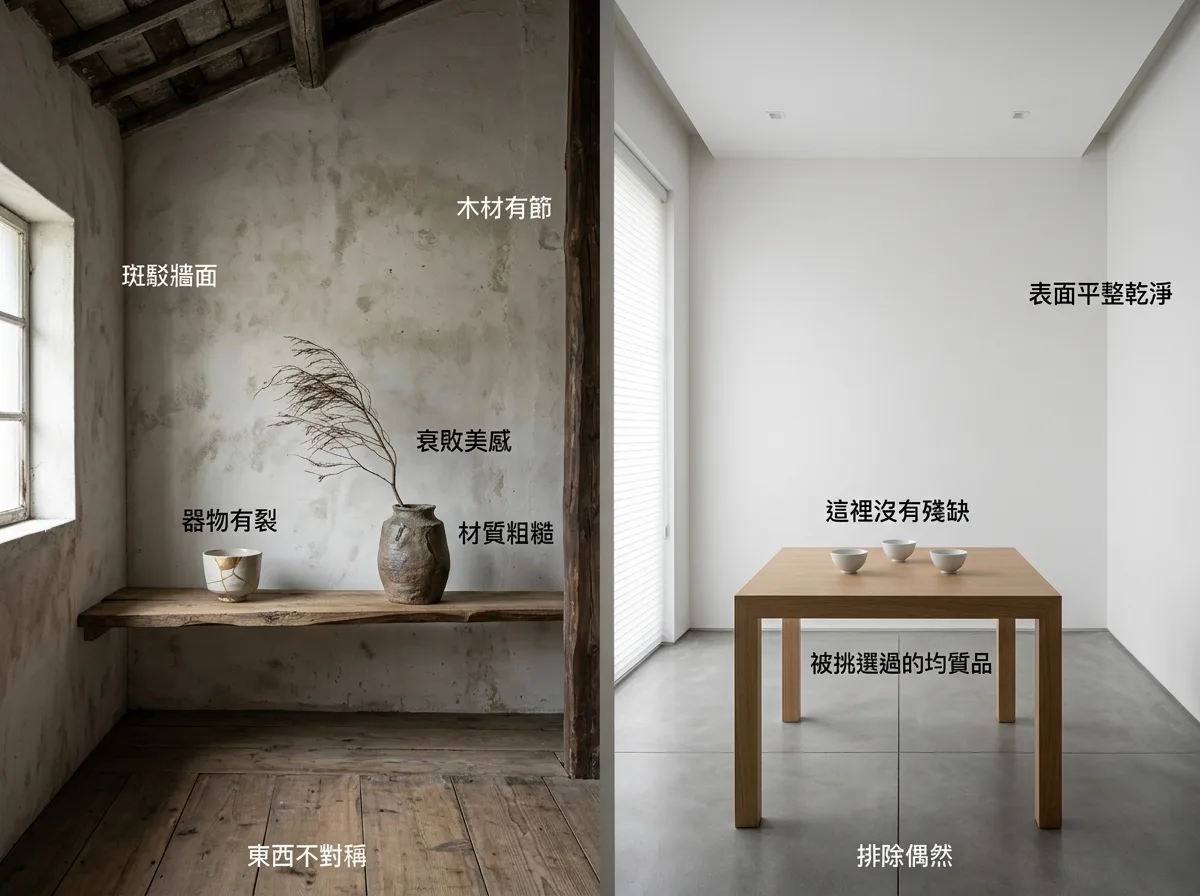
Two often-confused Japanese aesthetics juxtaposed for comparison. The left side is Wabi-sabi: embracing imperfection and time—cracked vessels, knotted wood, mottled walls, asymmetry, rough textures; beauty derived from decay and serendipity. The right side is modern Zen: pursuing precise emptiness—all lines are straight, modules are strict, surfaces are flat and clean, arrangements are symmetrical or have clear proportional relationships, materials are selected homogeneous products; here there is no imperfection, only order removed to its extreme. Both have few objects and use natural materials, but one accepts serendipity, the other excludes it. Avoid: making both look identical, adding mottling and damage to modern Zen, making Wabi-sabi neat and orderly, changing the floor area or number of objects for either.
Translated from Chinese by AI.
Show the original prompt
兩種常被混為一談的日式美學並置對照。左側是侘寂:接受不完美與時間——器物有裂、木材有節、牆面斑駁、東西不對稱、材質粗糙,美感來自衰敗與偶然。右側是現代禪:追求的是精確的空——所有的線條筆直、模矩嚴格、表面平整乾淨、配置對稱或有明確的比例關係、材料是被挑選過的均質品;這裡沒有殘缺,只有被移除到極限的秩序。兩者都很少東西、都用天然材料,但一個接受偶然、一個排除偶然。避免:讓兩者看起來相同、在現代禪加入斑駁與破損、讓侘寂變得工整、改變兩者的坪數與物件數量。