Text-to-Image
Architecture
通用
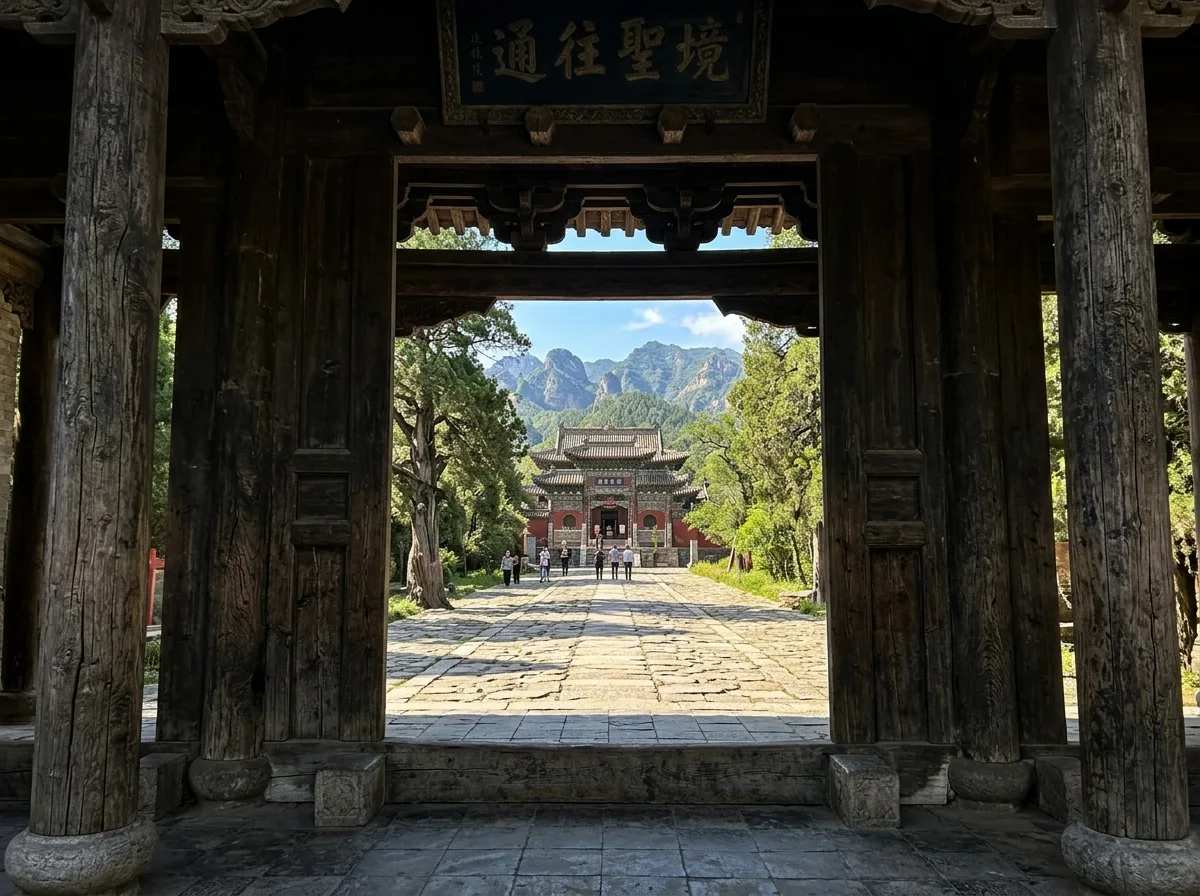
The moment of passing through: Framing the view behind
Prompt
A perspective from directly beneath a paifang, just about to pass through it. The foreground of the image consists of the columns on either side of the central bay and the e-fang (architrave) above, forming a clear frame that occupies the edges of the picture. Within this frame is the scene beyond the paifang—a stone path extending into the distance, ending at the front of a temple or a mountain view. Because the foreground frame is in shadow and the scene within the frame is bright, there is a strong contrast that firmly draws the eye into the depth. The texture of the column surfaces and the details of the scene within the frame create layers of near and far. This perspective illustrates that the function of the paifang is not to be looked at, but to be passed through and used to view something else. Avoid: depicting the scene within the frame as cluttered and lacking focus, making the foreground frame too thin and losing its sense of enclosure, eliminating the light-dark contrast, using a flat panoramic view that doesn't show the framed view relationship.
Translated from Chinese by AI.
Show the original prompt
站在牌樓正下方、即將穿過的視角。畫面的前景是明間兩側的柱子與上方的額枋,構成一個明確的框,佔據畫面的邊緣;框內是牌樓之後的景象——一條石板路向遠方延伸、盡頭是廟宇的正面或一片山景。因為前景的框處在陰影中而框內的景明亮,對比強烈,視線被牢牢地拉向深處。柱子的表面質地與框內景物的細節形成近與遠的層次。這個視角說明牌樓的功能不是被看,而是被穿過並用來看別的東西。避免:把框內的景畫得雜亂沒有焦點、讓前景的框太細失去包圍感、消除明暗對比、使用平視全景看不出框景關係。