Text-to-Image
Interior Design
通用
Ten Years Later: How Expensive Things Age
Prompt
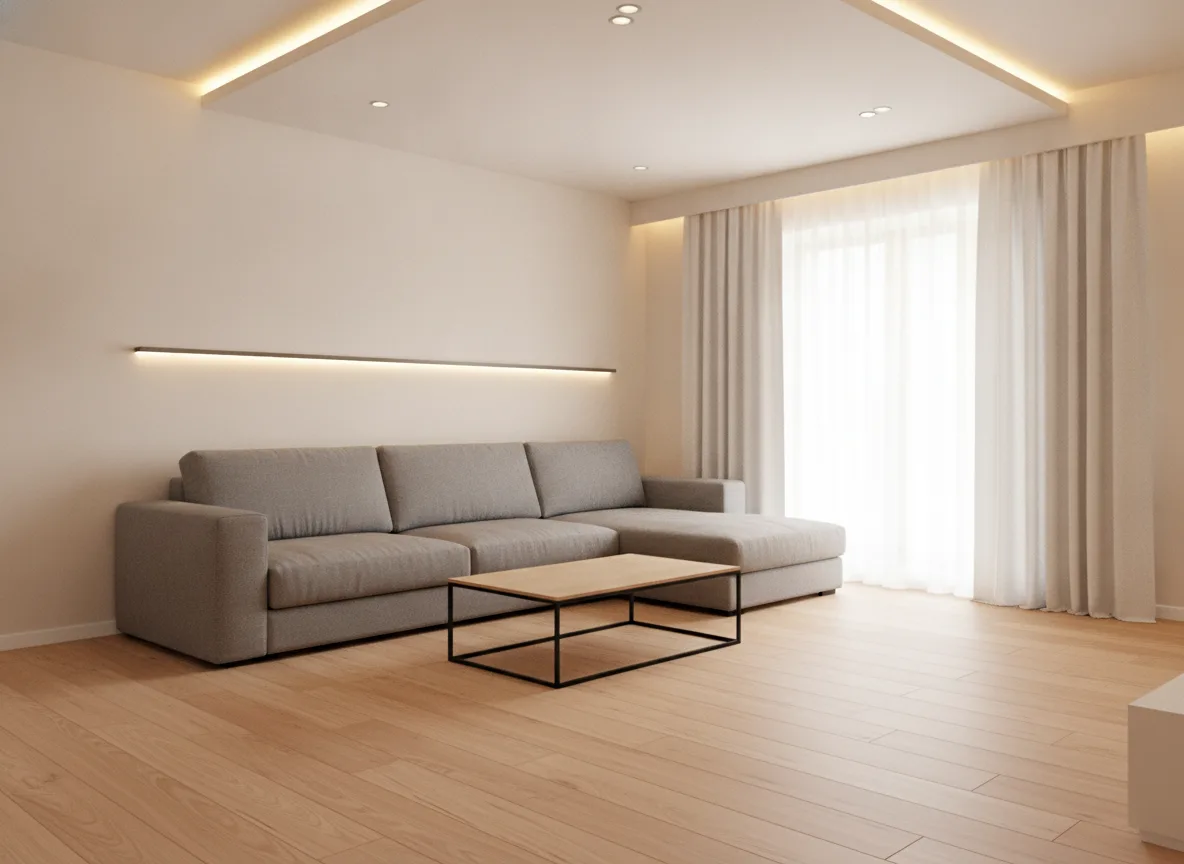
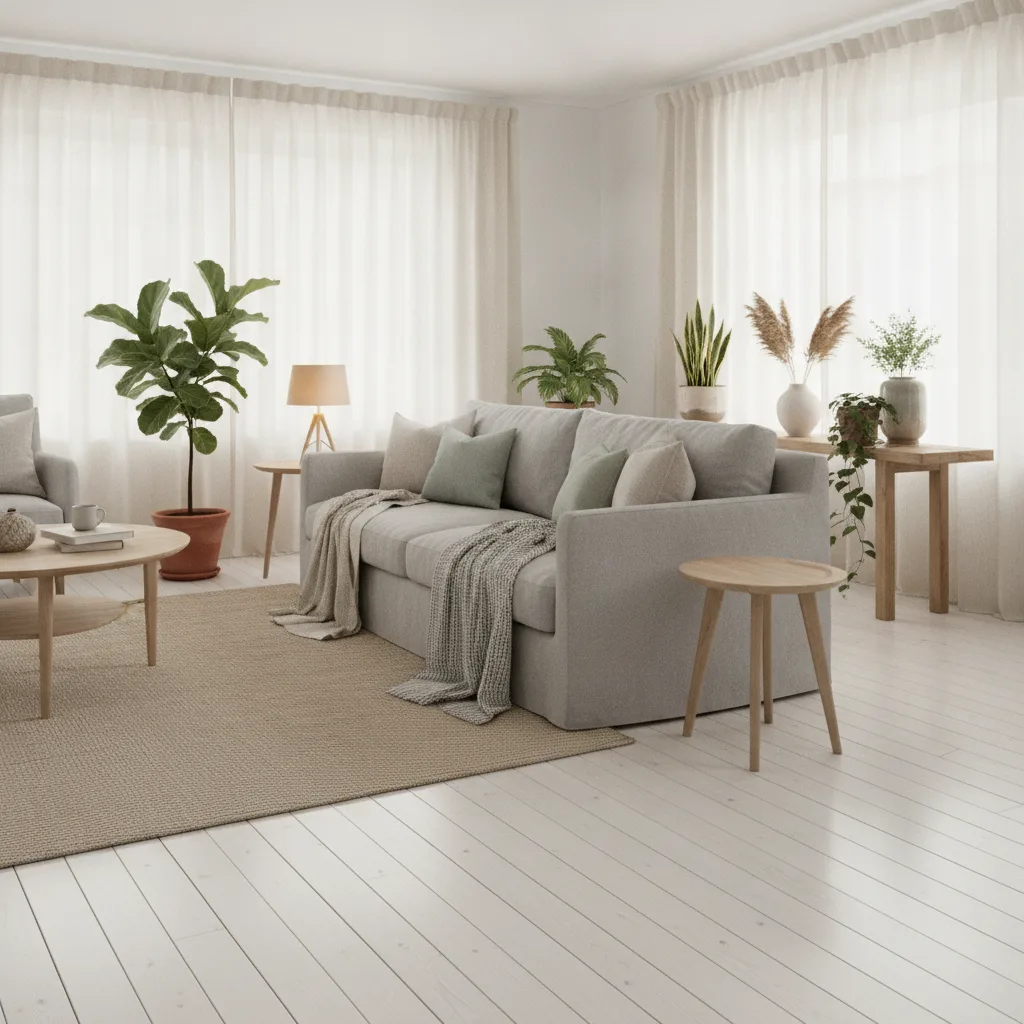
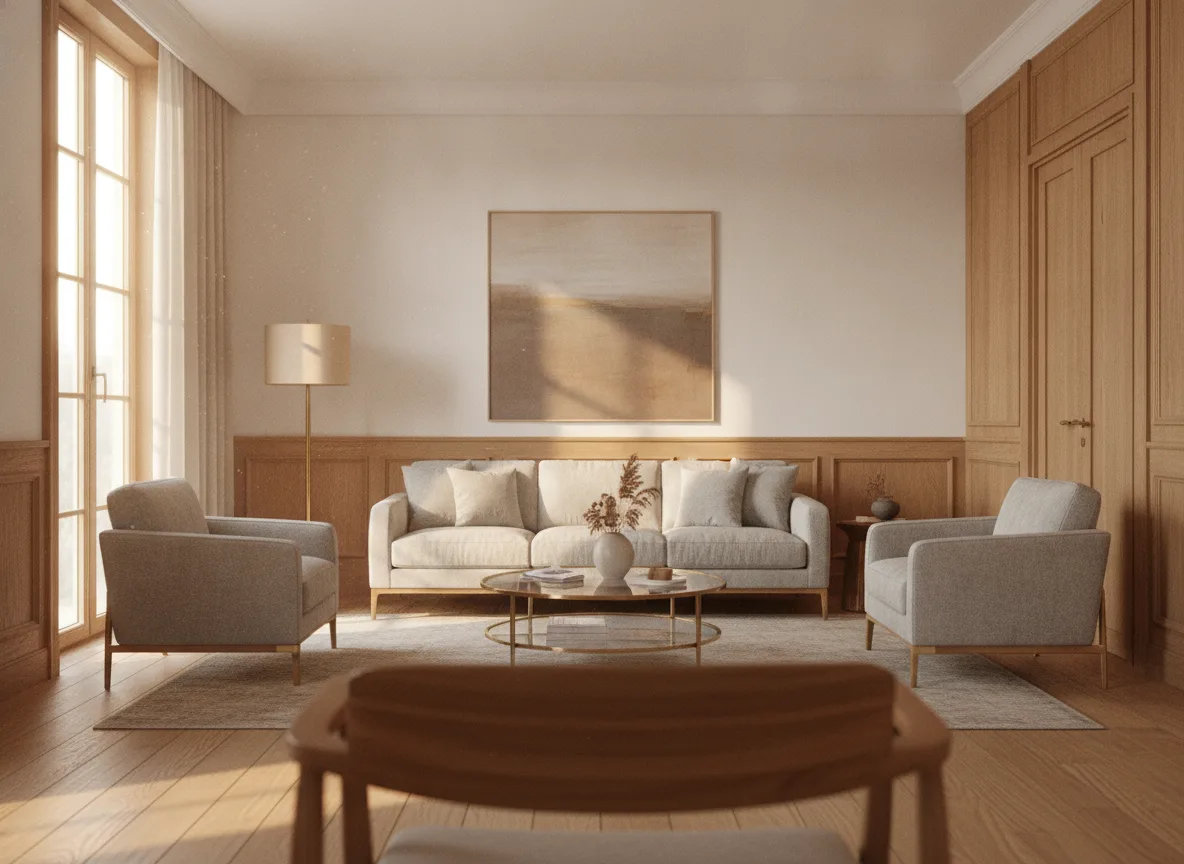
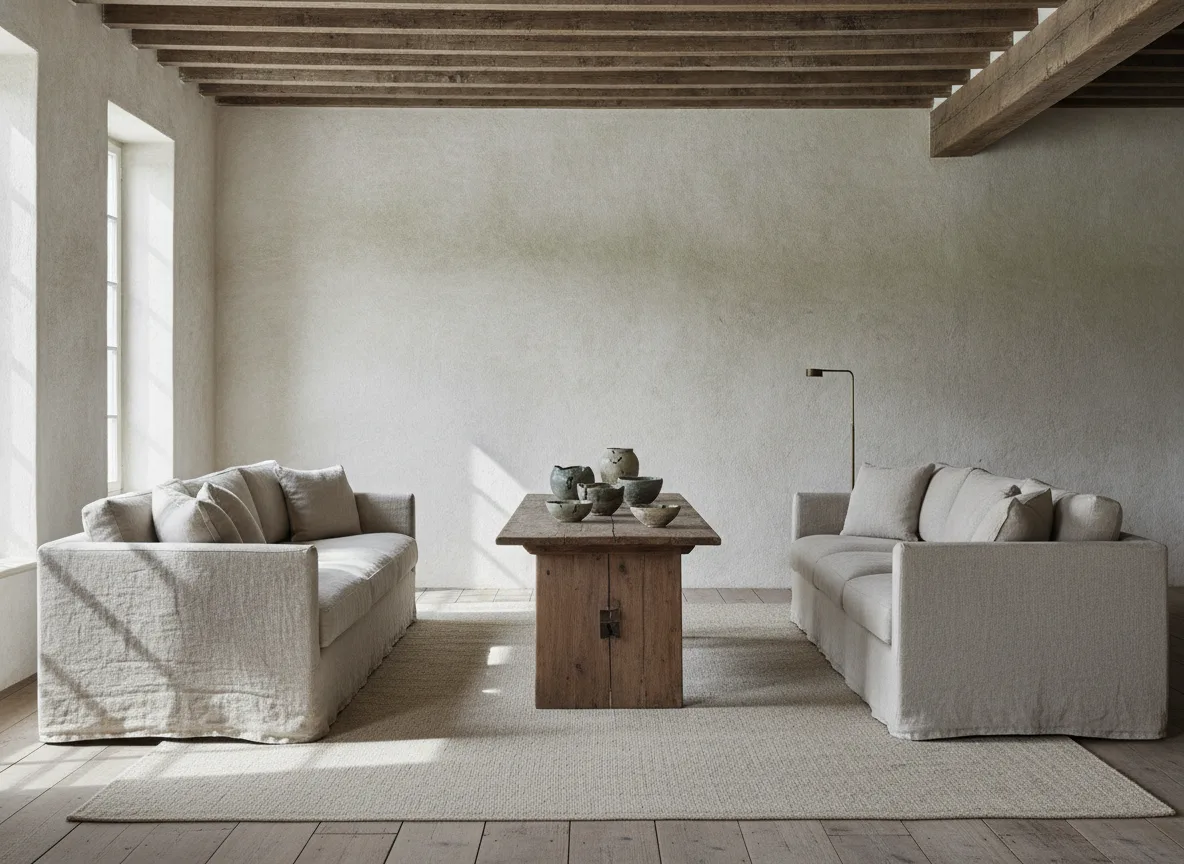
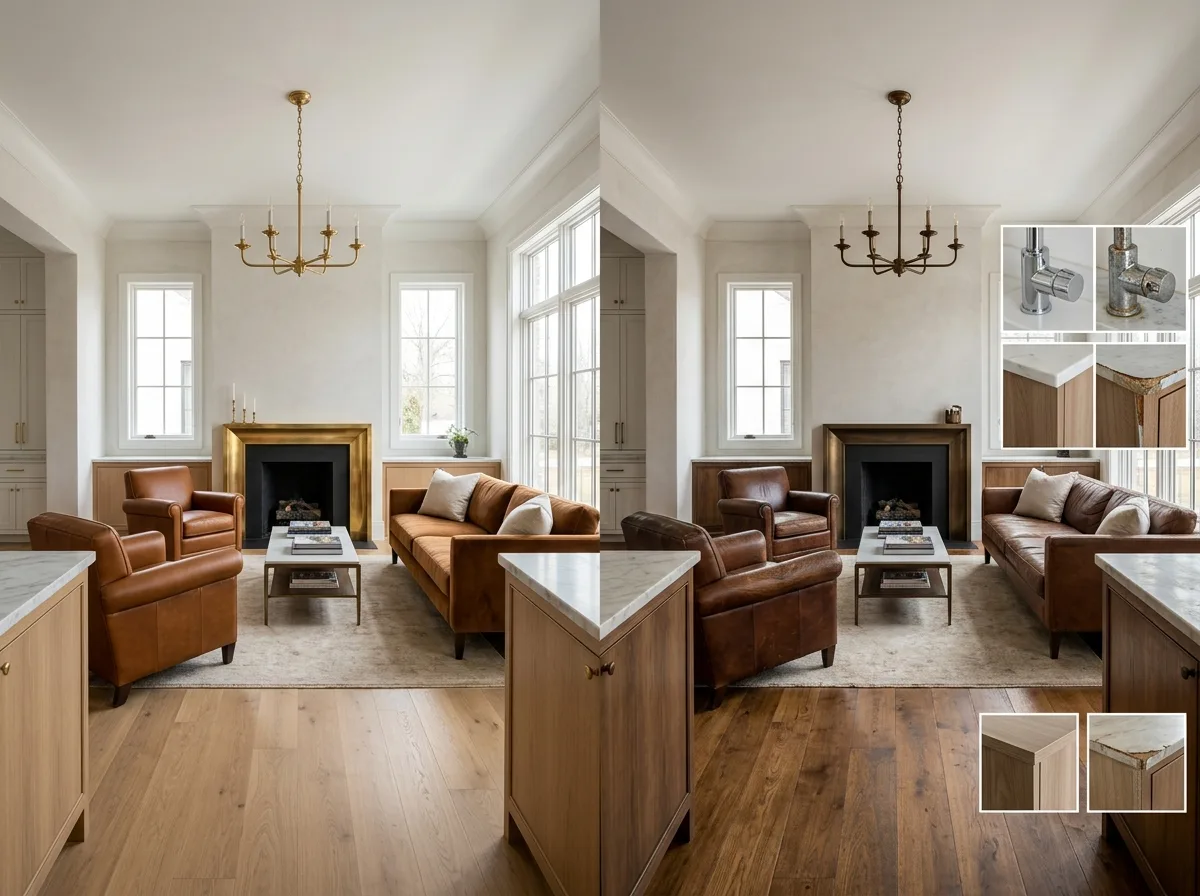
Two states of the same space juxtaposed: the left half shows the day of completion, with all surfaces flawless, metals gleaming, and stone unmarked; the right half shows ten years later—solid wood floors have deepened in color, brass has mellowed to a warm, dark gold, leather armrests have developed a deep patina, stone countertops show subtle signs of use, and the hand-troweled plaster walls remain intact. These changes make the space more beautiful because the materials are genuine and age gracefully. A small comparison image next to it: if electroplated parts and veneers were used in the same location, ten years later they would be peeling and delaminating. Avoid: inconsistent perspectives on both sides, depicting aging as damage or dirtiness, omitting the comparison group, using materials that age poorly as the main subject.
Translated from Chinese by AI.
Show the original prompt
同一個空間的兩種狀態並置:左半是完工當天,所有表面完美無瑕、金屬光亮、石材無痕;右半是十年之後——實木地板顏色加深、黃銅的光澤退成溫暖的暗金、皮革扶手磨出深色、石材檯面有細微的使用痕跡、而牆面的手工抹灰依然完好。這些變化讓空間更好看,因為材料都是會老得漂亮的真材。旁邊以小圖對照:同一個位置若用電鍍件與貼皮,十年後是剝落與脫膠。避免:兩側的視角不一致、把老化畫成破損骯髒、省略對照組、使用會老得難看的材料當主角。