Text-to-Image
Interior Design
通用
Difference from Mixing Classical and Contemporary: One Does Soft Furnishings, the Other Does the Whole Project
Prompt
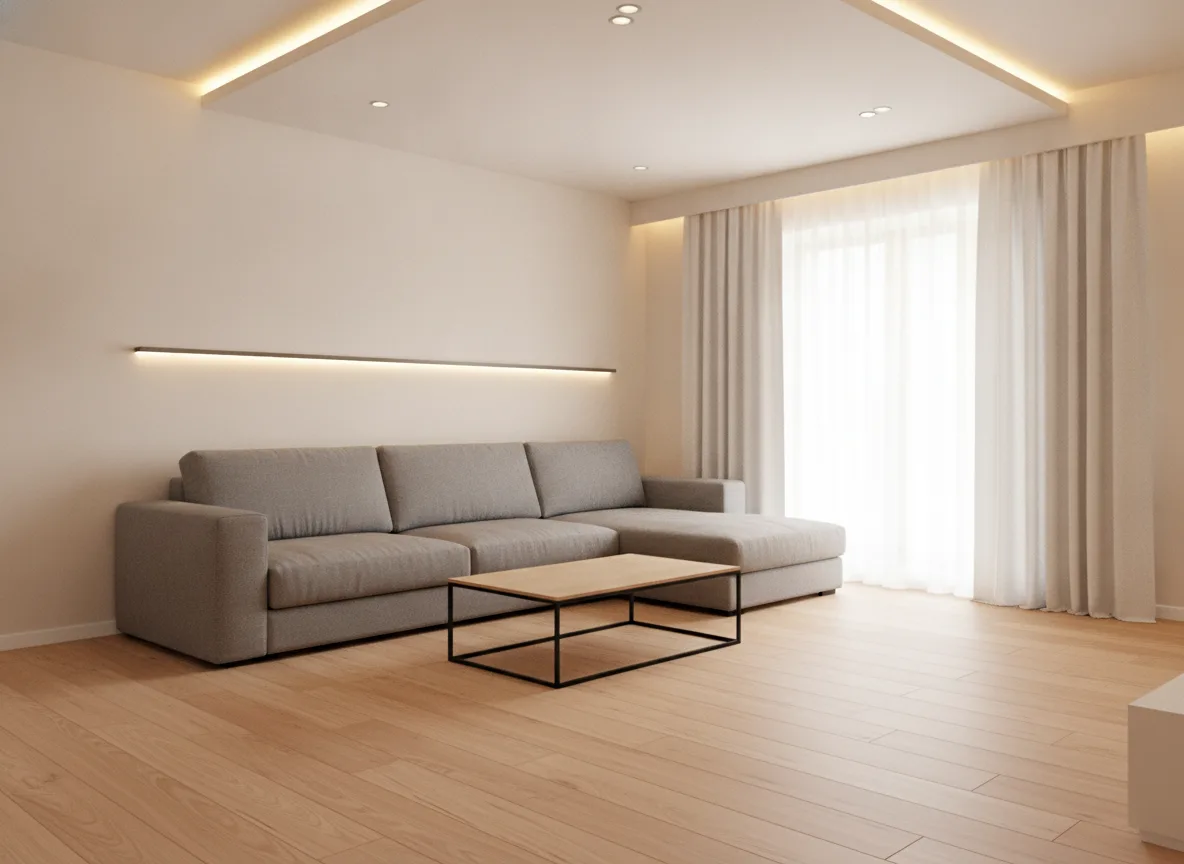
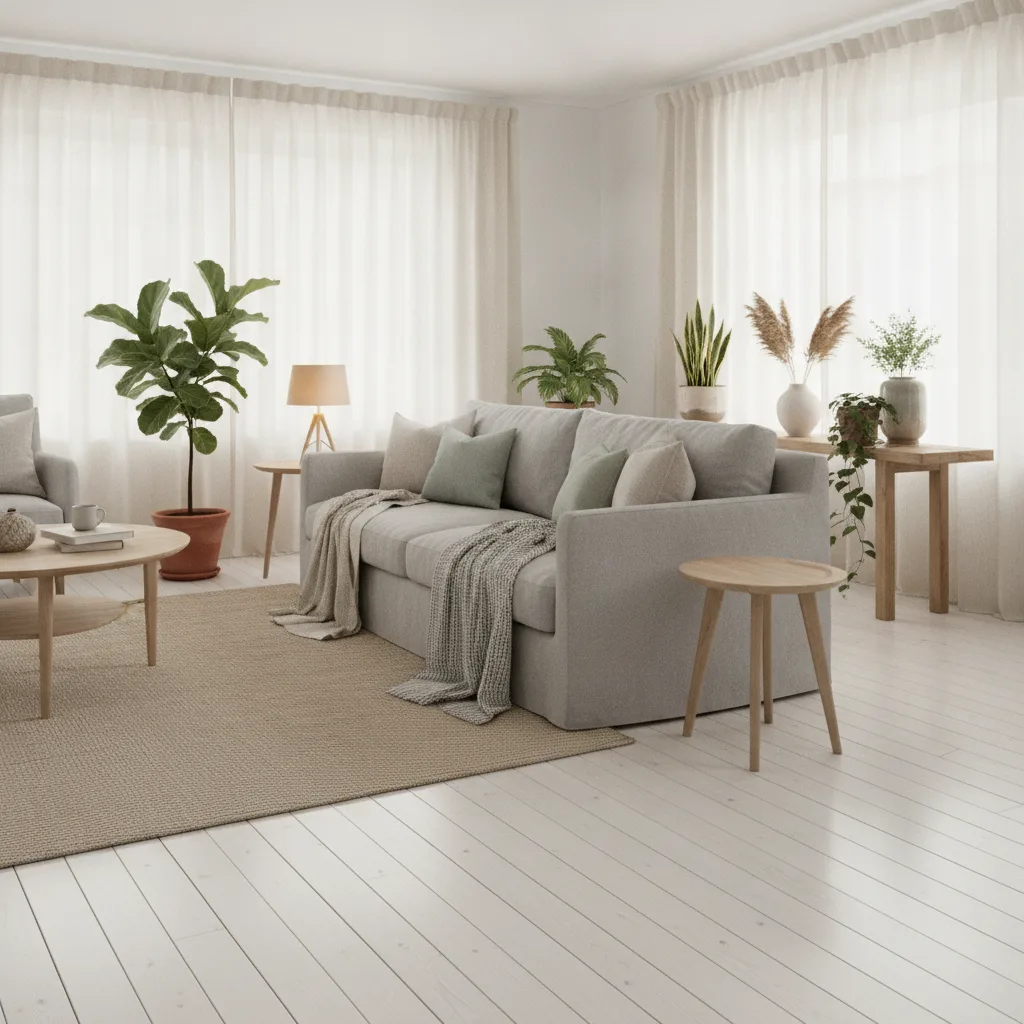
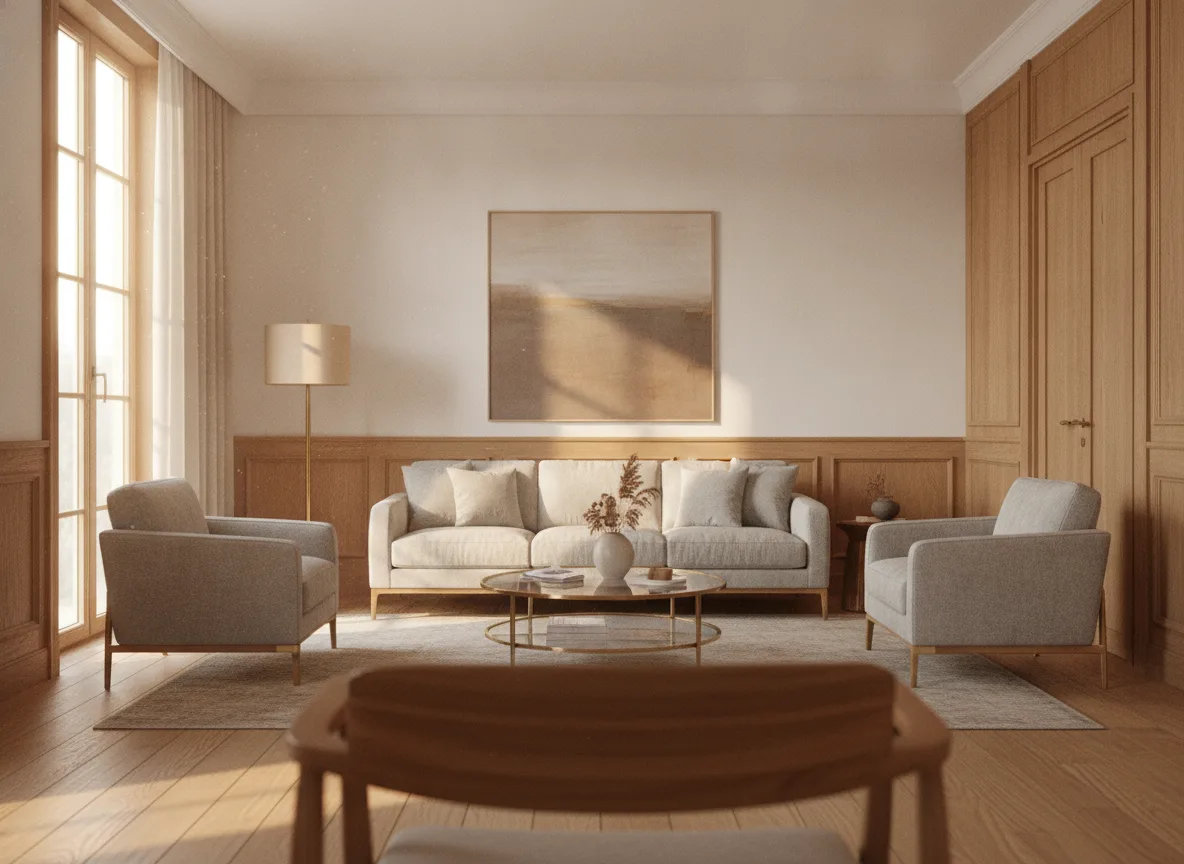
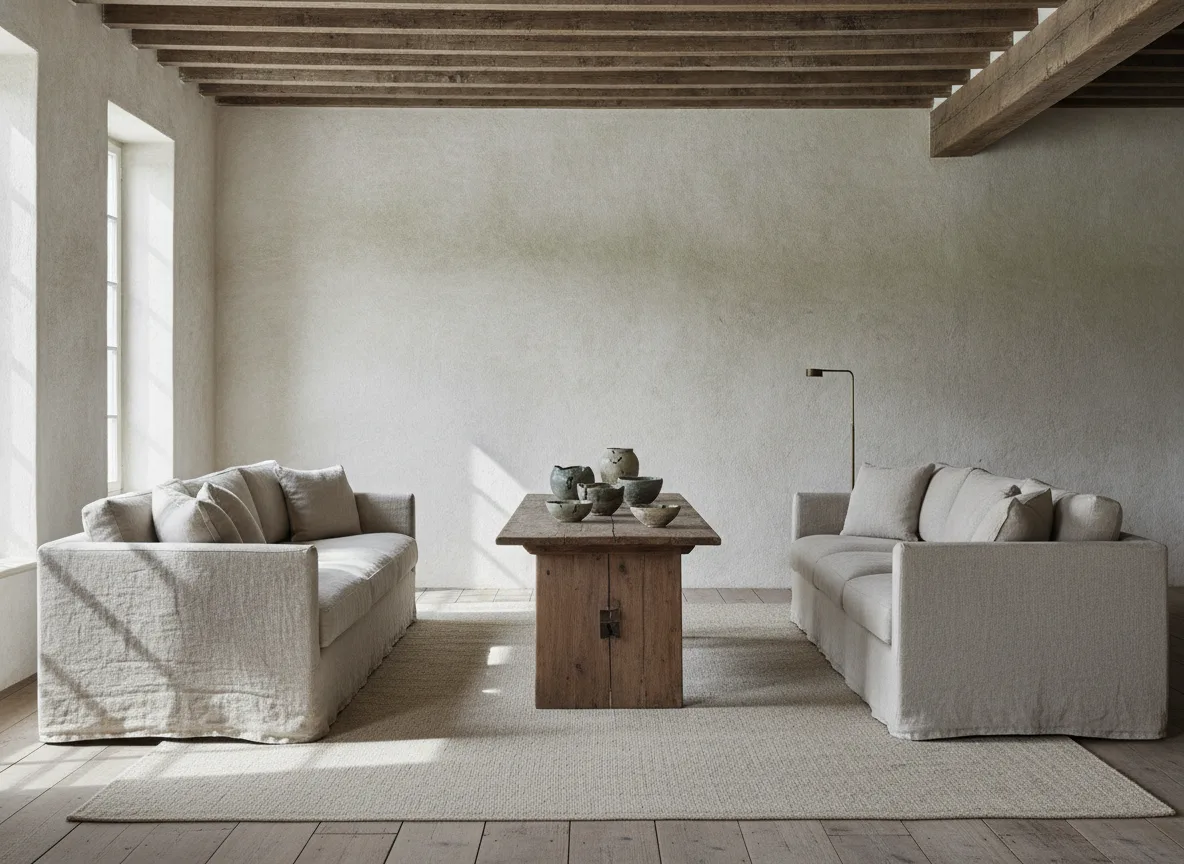
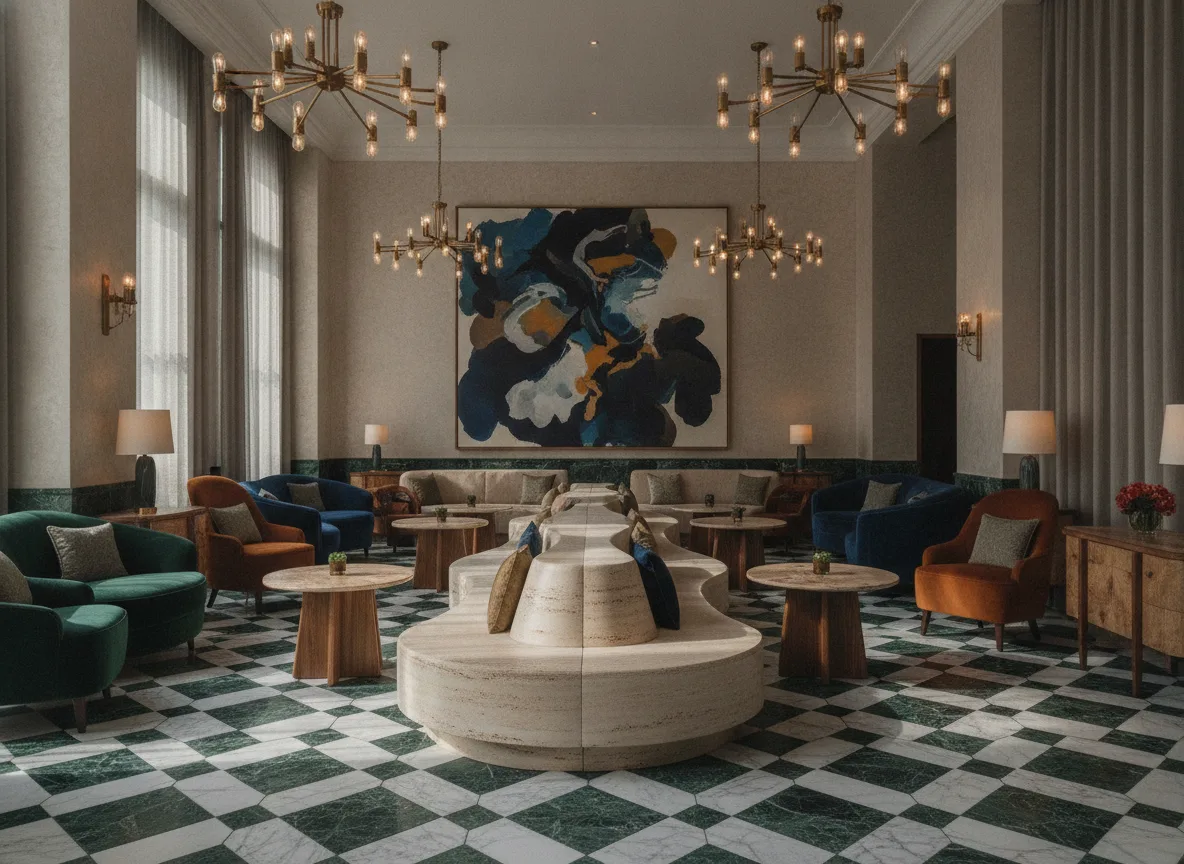
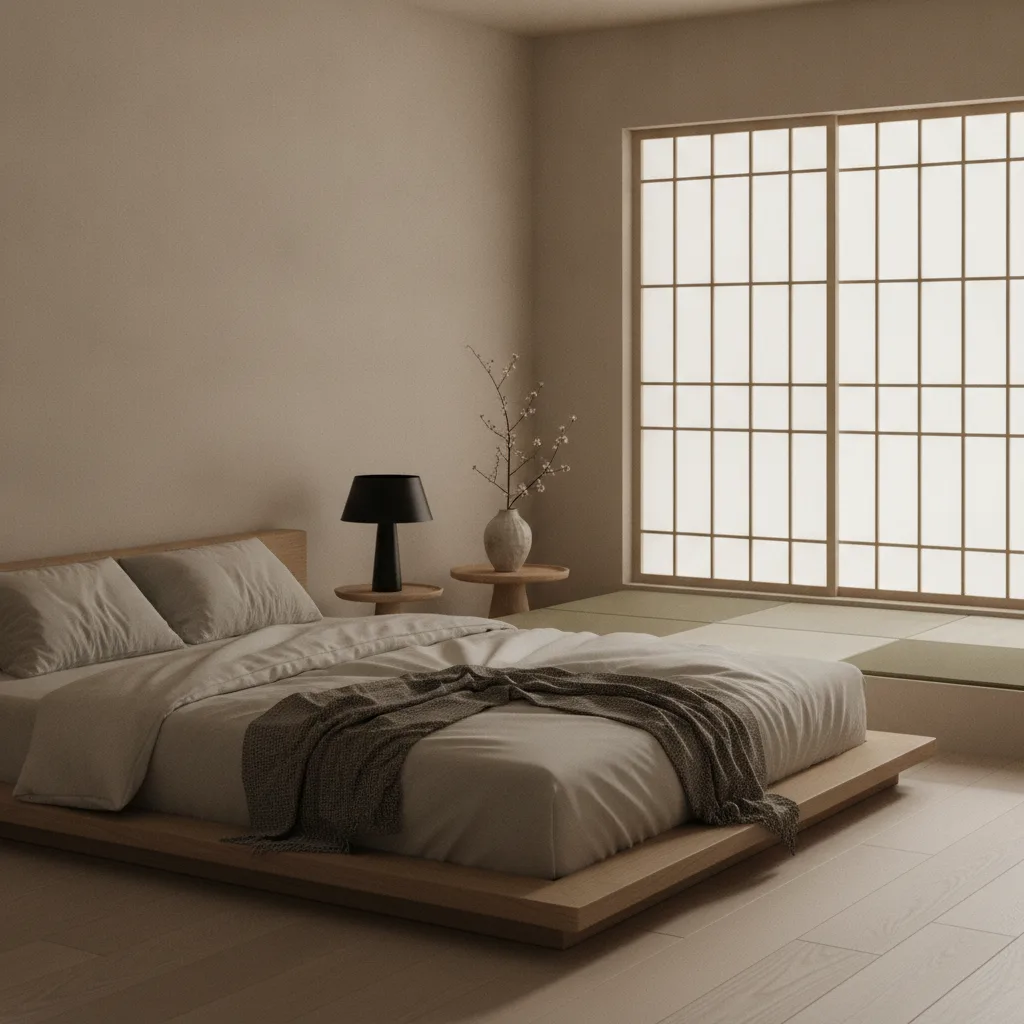
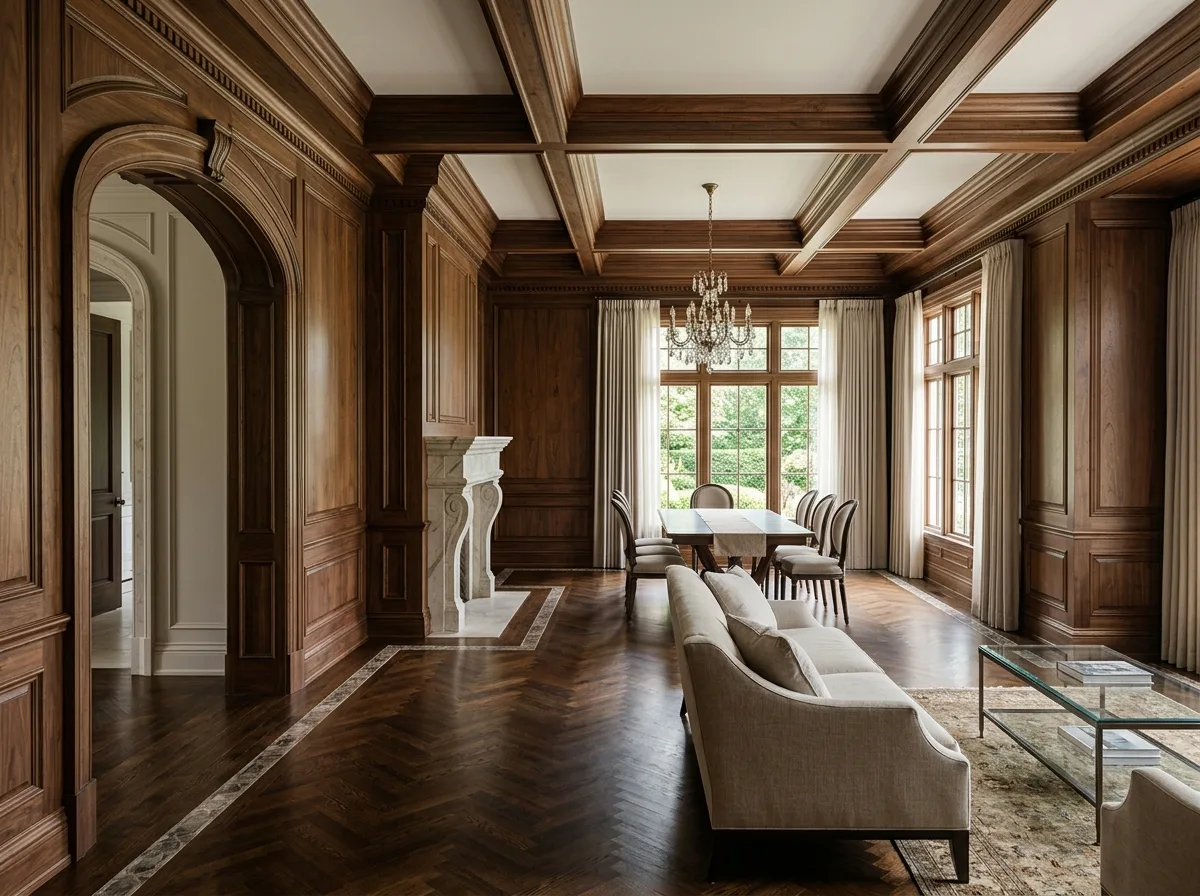
The difference from classical-contemporary mix-and-match: one focuses on soft furnishings, the other on the entire project. This is a space where the hard furnishings themselves are transitional. Classical-contemporary mix-and-match deals with how to furnish a clean shell: a rolled-arm sofa with a straight-edged side table, a contemporary armchair with a classical dining table, three or fewer throw pillows; its walls are almost bare. High-end transitional is the opposite: the transitional logic is first applied to millwork, doors, ceilings, and stone, with walls wrapped in custom millwork, and furniture only brought in later. To understand this style, one should look at the walls, not the sofa. Avoid: making walls plain and devoid of content, letting the style rely solely on furniture mix-and-match, neglecting the treatment of doors and ceilings, focusing on the proportion of throw pillows and textiles.
Translated from Chinese by AI.
Show the original prompt
一個硬裝本身就是過渡的空間。古典當代混搭處理的是在一個乾淨的殼體裡怎麼配家具:捲臂沙發配直線邊几、當代單椅配古典餐桌、抱枕三個以內;它的牆面幾乎是空的。高階過渡相反:過渡的邏輯先做在木作、門、天花與石材上,牆面是被訂製木作包起來的,家具反而是後來才進場的。看這個風格要看的是牆不是沙發。避免:把牆面做成沒有內容的素面、讓風格只靠家具的混搭成立、忽略門與天花的處理、把重點放在抱枕與織品的配比上。